BY NYC Energy Code Team
ON 12 Jul 2026
Parking Structure Inspections NYC: The Quiet Deadline Many Building Owners Miss
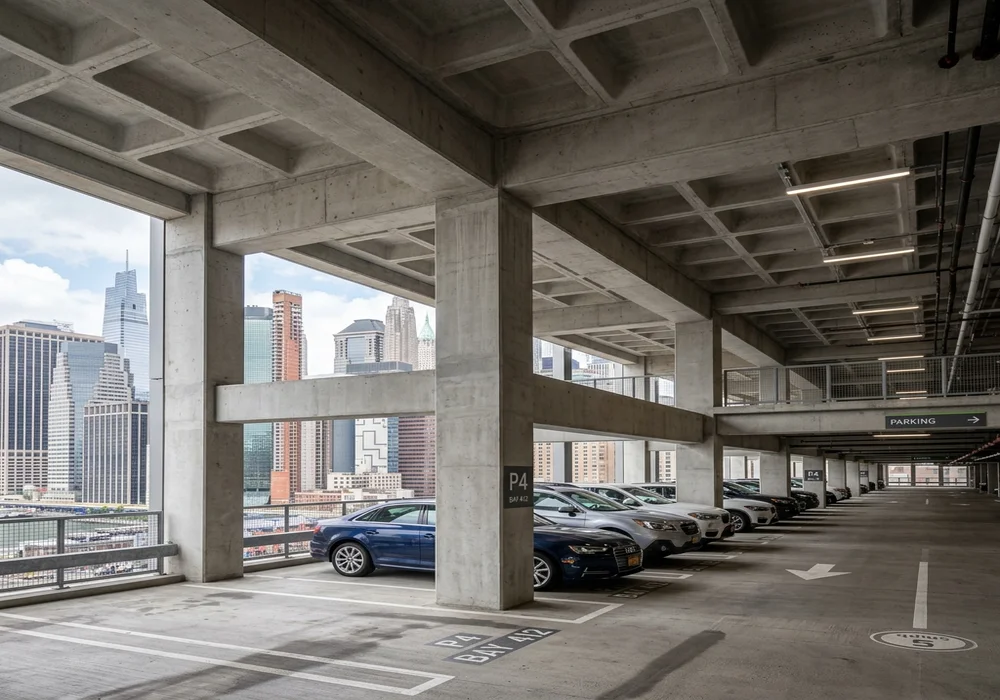
When New York City building compliance is discussed, most owners immediately think about Local Law 152 gas inspections, FISP facade reports, boiler filings, elevator inspections, or Local Law 97 emissions requirements.
Parking structures rarely receive the same attention.
That is exactly why they are often overlooked.
A parking garage or parking structure may operate quietly in the background for years without drawing much attention. However, when inspection deadlines approach—or worse, when structural deterioration is discovered—the garage quickly becomes one of the building's most significant compliance responsibilities.
Unlike routine maintenance, parking structure inspections involve long-term structural evaluation, engineering review, documentation, and sometimes substantial repair planning. Waiting until the filing window is almost over can leave owners struggling to schedule qualified professionals, organize records, and budget for recommended repairs.
Understanding parking structure inspections NYC helps owners protect both their buildings and their long-term investment while avoiding unnecessary compliance pressure.
Why Parking Structure Inspections Matter
Parking structures experience constant stress throughout their service life. Unlike many other building components, garages are exposed every day to repeated cycles of vehicle traffic, heavy loads, water infiltration, road salt, freeze-thaw cycles, temperature changes, moisture, and vibration. These conditions gradually affect structural materials such as concrete, reinforcing steel, waterproofing systems, joints, and drainage components. Routine inspections help identify deterioration before it becomes a larger structural or safety concern.
The Quiet Compliance Category
Parking structure inspections rarely generate the same public attention as facade safety or gas piping inspections. There are no sidewalk sheds drawing public attention, and there are usually no visible construction fences. Many owners therefore assume the garage requires little more than routine maintenance. In reality, covered parking structures are subject to periodic inspection requirements, and owners should understand their inspection cycle well before filing deadlines approach.
Why Owners Frequently Miss Parking Structure Deadlines
Several common issues contribute to missed parking structure compliance deadlines:
- The Garage Feels Like a Background Asset: Many property owners focus heavily on occupied residential units, offices, or retail spaces. Garages often receive attention only when leaks or physical defects become impossible to ignore.
- Inspections Occur on Multi-Year Cycles: Because inspections are not annual for many properties, owners frequently forget about them between cycles. Without an active compliance calendar, deadlines arrive unexpectedly.
- Management Changes: Buildings frequently shift managing agents, property managers, board members, or ownership groups. If compliance records are poorly organized, structural inspection schedules may fail to transfer.
- Prior Documentation is Missing: Owners sometimes discover that previous structural inspections, engineering reports, or waterproofing records cannot be located, delaying the next cycle.
Which Parking Structures Are Covered?
Inspection requirements depend on the specific characteristics of the structure and applicable NYC regulations. Owners should determine whether their parking structure is subject to inspection, which inspection cycle applies, which filing window is currently active, and whether previous inspections identified repair recommendations. Making assumptions based on neighboring buildings can create unnecessary compliance risks.
Why Waiting Can Become Expensive
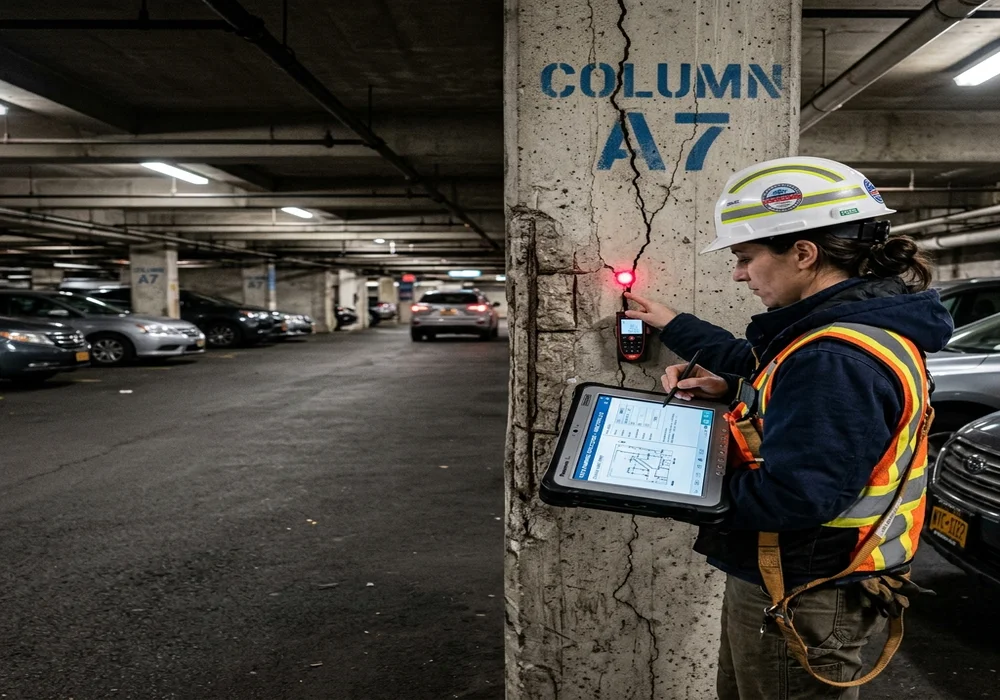
Delaying inspections often creates more than administrative problems. Late planning reduces inspector availability, contractor availability, budgeting flexibility, and repair scheduling options. If significant structural repairs are recommended, owners will have little time to evaluate proposals before compliance deadlines. Early planning provides more options.
Unique Structural Challenges include:
Water & Deicing Salt Infiltration
Vehicles bring snow, rain, and corrosive road salts directly into the structure. Water leaks through cracks and joints, causing concrete to deteriorate.
Reinforcing Steel Corrosion
When moisture and salts reach the internal reinforcing steel (rebar), the steel rusts and expands, causing the surrounding concrete to crack and spall.
Freeze-Thaw & Load Stress
Trapped moisture expands during freezing winter temperatures, widening structural cracks. Constant vehicle traffic adds load stress and vibration.
Preparation: What to Review Before Scheduling
Preparation improves inspection efficiency. Owners should gather previous inspection reports, engineering evaluations, repair history, waterproofing records, drainage maintenance logs, structural drawings, contractor closeout documents, and DOB correspondence. Providing complete documentation allows professionals to perform a more informed and faster evaluation.
Additionally, confirm the correct structure. Some properties contain attached garages, detached parking structures, shared parking facilities, or multi-building developments. Owners should verify that previous records correspond to the correct structure before beginning.
Proactive Budget Planning
One of the biggest mistakes owners make is budgeting only for the inspection itself. Inspection findings may lead to recommendations involving concrete repairs, waterproofing membrane improvements, joint replacement, drainage work, structural maintenance, protective coatings, or corrosion mitigation. These projects require planning beyond the inspection fee.
Repair Coordination and Traffic Control
Depending on inspection findings, owners may need additional engineering reviews before repairs begin. This planning stage helps determine repair priorities, project sequencing, budget estimates, and construction scheduling. Beginning early allows owners to incorporate repairs into capital improvement plans.
Unlike building facade repairs, parking structures remain active. Repair projects require coordination with tenants, commercial users, building management, contractors, security, and maintenance staff. Operational planning must account for temporary parking restrictions, traffic rerouting, occupancy adjustments, and construction staging to minimize daily disruption.
Records Matter During Property Transactions
Prospective buyers and lenders frequently evaluate building maintenance records. Parking structures represent major capital assets. Complete inspection and repair documentation assists during due diligence, refinancing, insurance reviews, portfolio acquisitions, and property transfers. Maintaining complete records demonstrates responsible long-term asset management.
Centralized Portfolio Tracking
Owners managing multiple buildings should track parking garage compliance details alongside other programs on a centralized calendar.
| Field | Purpose |
|---|---|
| Property Address | Structure identification |
| Garage Location | Specific level or section tracking |
| Inspection Cycle | Filing schedule planning |
| Sub-Cycle | Determining exact filing windows |
| Previous Report | Historical baseline reference |
| Current Status | Compliance monitoring status |
| Repair Recommendations | Maintenance and structural planning |
| Engineering Review | Coordination contact and progress tracking |
| Filing Confirmation | Submission dates and confirmations |
| Next Due Date | Filing deadline countdown and alerts |
Compliance Checklist for Owners
Before the filing window closes, verify the following checklist items:
- ✔ Covered status of the parking structure confirmed
- ✔ Applicable inspection cycle and sub-cycle identified
- ✔ Previous reports and repair history reviewed
- ✔ Structural and engineering records organized
- ✔ Waterproofing and drainage logs available
- ✔ Qualified structural inspector scheduled
- ✔ Capital repair budget reviewed and contingency funded
- ✔ Repair sequencing and tenant notifications discussed
- ✔ DOB filing steps and documentation expectations confirmed
- ✔ All records securely stored in a centralized compliance folder
Best Practices
Common owner mistakes include assuming the garage is exempt, waiting until deadlines, losing previous reports, ignoring earlier recommendations, budgeting only for the inspection, and delaying engineering reviews. Consistent planning, scheduling early, maintaining digital backup archives, and coordinating with qualified professionals provide the most efficient path toward long-term compliance.
Conclusion
Understanding parking structure inspections NYC helps property owners recognize an important compliance responsibility that often receives less attention than other building safety programs. Covered parking structures require periodic inspections designed to identify structural deterioration before it develops into larger maintenance or safety concerns.
Because inspection findings may lead to engineering evaluations, repair planning, waterproofing work, traffic coordination, or concrete restoration, owners should begin planning well before their filing window approaches. Maintaining organized records, reviewing previous inspection reports, confirming the applicable inspection cycle, and budgeting for potential repairs allows owners to manage parking structures as long-term assets rather than last-minute compliance projects. A proactive approach reduces scheduling pressure, supports better financial planning, and helps preserve both building safety and property value.
Frequently Asked Questions
Why should owners care about parking structure inspections?
Parking structures are significant building assets. Inspection records affect maintenance planning, property transactions, refinancing, insurance reviews, and long-term compliance.
How do I know if my parking structure is covered?
Owners should review the applicable NYC requirements, determine whether their structure falls within the inspection program, and identify the appropriate inspection cycle and filing window.
Why should inspections be scheduled early?
Scheduling early provides more flexibility for selecting qualified professionals, reviewing previous reports, budgeting for repairs, and coordinating any work recommended after the inspection.
What records should owners prepare?
Gather previous inspection reports, engineering evaluations, repair records, maintenance logs, waterproofing history, contractor documentation, permits, photographs, and any DOB correspondence.
Why is budgeting important?
Inspection findings may recommend repairs involving concrete restoration, waterproofing, drainage improvements, corrosion mitigation, or engineering review. Early budgeting allows owners to plan these projects more effectively.
Where should owners review compliance records?
Owners can begin by checking the DOB NOW Public Portal and the Building Information System (BIS). Depending on the property, additional information may also be available through NYC Open Data and previous engineering documentation.
You may also
like