BY NYC Energy Code Team
ON 09 Jul 2026
NYC Local Law 152
Unsafe vs SWARMP FISP NYC: Understanding the Two Facade Classifications Every Building Owner Should Know
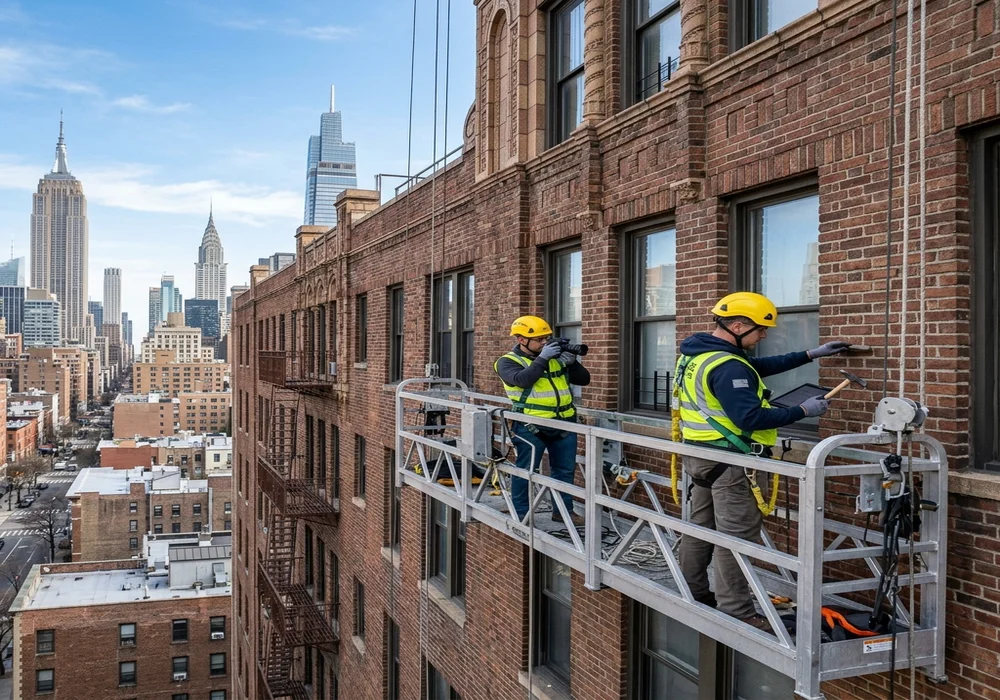
When owners receive a Facade Inspection and Safety Program (FISP) report, one of the most important sections is the building's inspection classification.
Many people focus only on whether the report has been submitted.
Others immediately ask one question: "Did we pass?"
In reality, FISP reports are more nuanced than a simple pass-or-fail system.
Two classifications that frequently create confusion are Unsafe and SWARMP (Safe With a Repair and Maintenance Program).
Although both indicate that attention is required, they are not interchangeable. They represent different levels of concern, different maintenance priorities, and different planning requirements.
Misunderstanding these classifications can result in delayed repairs, unnecessary costs, or more significant compliance issues during future inspection cycles.
Understanding unsafe vs SWARMP FISP NYC classifications helps owners prioritize repairs, budget more effectively, and maintain safer buildings over the long term.
Why These Two Words Matter
Many building owners hear terms such as Unsafe or SWARMP from engineers, architects, contractors, or property managers and assume they describe roughly the same condition. They do not.
The classification assigned in a FISP report communicates how the qualified exterior wall professional has evaluated the observed condition at the time of inspection.
Although both classifications require owner attention, they differ significantly in urgency and response.
Treating them identically can result in either:
- Delaying work that requires immediate attention, or
- Spending emergency resources on conditions better addressed through planned maintenance.
Understanding the distinction supports better decision-making.
What Is an Unsafe Condition?
An Unsafe classification indicates that the inspector has identified a facade condition requiring prompt attention because it may present a hazard.
Unsafe conditions often require owners to respond quickly. Depending on the circumstances, responses may include:
- Immediate repair planning
- Temporary public protection
- Additional inspections
- Professional documentation
- Compliance filings
- Ongoing monitoring until corrective work is complete
The specific response depends on the condition described in the inspection report.
Why Unsafe Conditions Receive Immediate Attention
Exterior walls protect more than the building itself. They also protect pedestrians, tenants, adjacent properties, public sidewalks, and emergency responders.
If deteriorated facade components become unstable, they may create public safety concerns. Because of this potential risk, unsafe classifications generally receive the highest level of priority.
What Is SWARMP?
SWARMP stands for Safe With a Repair and Maintenance Program.
This classification means the inspected condition is not currently classified as unsafe, but it still requires repair or maintenance within the required program timeframe.
Think of SWARMP as an early warning rather than an emergency. The building remains safe based on current observations, but deterioration has been identified that should not be ignored. Without planned maintenance, some SWARMP conditions may worsen over time.
Why SWARMP Does Not Mean "Nothing Is Wrong"
One of the most common misunderstandings is assuming SWARMP means the owner can postpone repairs indefinitely. That is not what the designation means.
Instead, it indicates:
- Repairs are still necessary.
- Maintenance planning should begin.
- Budgeting should occur.
- Conditions should be monitored.
- Future deterioration should be prevented.
Ignoring SWARMP conditions increases the likelihood that they become more serious before the next inspection cycle.
Unsafe vs SWARMP: The Key Difference
A simple comparison helps illustrate the distinction.
| Unsafe | SWARMP |
|---|---|
| Condition requires immediate attention. | Condition requires planned repair and maintenance. |
| Public protection may become necessary. | Building is considered safe at the time of inspection. |
| Repairs should begin promptly. | Repairs should be scheduled before deterioration worsens. |
| Higher short-term urgency. | Lower immediate urgency but ongoing responsibility. |
Although simplified, this comparison captures the practical difference.
Why Owners Often Misread the Report
Many owners receive technical reports filled with engineering terminology. Without careful explanation, they may conclude that:
- Both classifications mean the building is unsafe.
- Neither classification requires immediate action.
- The report is only relevant during filing season.
None of these assumptions is reliable. Instead, owners should review the report carefully with the qualified professional who prepared it to understand the specific findings.
Responding to an Unsafe Classification
If the inspection identifies an Unsafe condition, owners should avoid delaying action. Practical steps include:
- Reviewing the report immediately.
- Understanding the specific location of the condition.
- Coordinating with qualified professionals.
- Planning corrective work.
- Implementing public protection where required.
- Monitoring progress until repairs are completed.
- Maintaining organized documentation.
Responding promptly generally reduces long-term project complexity.
Why Delays Can Increase Costs
Facade deterioration typically progresses over time. Weather exposure, moisture, freeze-thaw cycles, and ordinary aging may continue affecting damaged areas while repairs are postponed.
As conditions worsen, projects may require:
- Larger repair areas
- Additional inspections
- Extended contractor time
- Increased material costs
- Longer project schedules
Early intervention often provides more flexibility.
Public Protection Measures
Some unsafe conditions require temporary measures to protect people near the building. Depending on project requirements, these measures may include sidewalk protection (sheds), restricted pedestrian areas, temporary barriers, or protective structures where appropriate.
Although these measures improve safety, they also contribute to project costs and logistics.
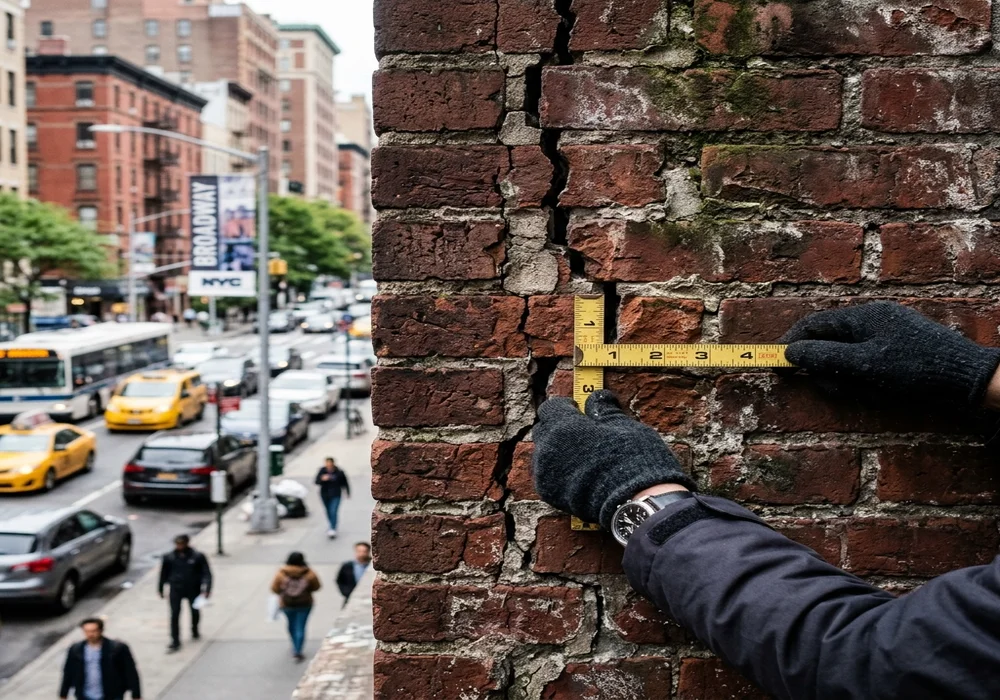
Responding to a SWARMP Classification
SWARMP conditions require a different approach. Because the building has not been classified as unsafe, owners generally have greater flexibility in planning repairs. Recommended actions include:
- Reviewing the report carefully.
- Identifying repair locations.
- Developing a maintenance budget.
- Scheduling contractors.
- Coordinating building access.
- Monitoring deterioration.
- Completing repairs within the appropriate timeframe.
The goal is to prevent today's maintenance issue from becoming tomorrow's unsafe condition.
Why Budget Planning Is Important
One advantage of a SWARMP classification is the opportunity to plan repairs strategically. Owners may be able to:
- Combine facade work with other building improvements.
- Coordinate contractor schedules.
- Reduce mobilization costs.
- Include repairs in capital improvement planning.
- Spread expenses over a manageable timeline.
Planning generally becomes more difficult once conditions become emergencies.
Reviewing Previous Inspection Reports
Facade conditions often develop gradually. Reviewing reports from previous inspection cycles helps identify recurring deterioration, areas previously repaired, previously monitored conditions, and long-term maintenance trends. Historical documentation often improves repair planning.
Why Maintenance History Matters
Buildings rarely develop facade issues randomly. Recurring water infiltration, recurring cracking, or repeated deterioration in the same area may indicate underlying maintenance concerns. Keeping detailed maintenance records helps professionals evaluate long-term building performance.
Documentation Owners Should Keep
Every FISP cycle should have a dedicated documentation file. Recommended records include:
- Inspection reports
- Previous cycle reports
- Repair contracts
- Engineering correspondence
- Building photographs
- Permit records (when applicable)
- Maintenance logs
- Filing confirmations
- Contractor invoices
Organized documentation supports future inspections.
Common Mistakes Owners Make
Several recurring mistakes appear during every inspection cycle. These include:
- Assuming SWARMP means no repairs are necessary.
- Delaying unsafe repairs.
- Losing previous inspection reports.
- Ignoring recurring deterioration.
- Failing to budget for maintenance.
- Waiting until the next inspection cycle to review findings.
- Treating every classification identically.
Better planning usually prevents these issues.
Portfolio Management Considerations
Owners managing multiple buildings should organize facade records by building, inspection cycle, classification, inspection date, repair status, filing status, budget allocation, and maintenance schedule. A structured portfolio system allows management teams to prioritize resources effectively.

How Unsafe and SWARMP Affect Capital Planning
Facade repairs often represent significant capital expenditures. Understanding the inspection classification helps owners develop realistic budgets.
Unsafe Conditions
May require:
- Immediate contractor mobilization
- Emergency funding
- Public protection costs
- Accelerated repair schedules
SWARMP Conditions
May allow:
- Planned budgeting
- Competitive contractor selection
- Coordination with other maintenance projects
- Long-term capital scheduling
The classification influences both urgency and financial planning.
Why FISP Reports Matter During Property Transactions
Buyers, lenders, insurers, and property managers often review facade documentation during due diligence.
Well-organized records demonstrating completed inspections, repair history, maintenance planning, and filing compliance can simplify future transactions. Open questions regarding facade conditions may require additional review before transactions proceed.
Best Practices for Building Owners
Owners can strengthen facade compliance by:
- Reviewing inspection reports immediately.
- Understanding the assigned classification.
- Addressing unsafe conditions promptly.
- Planning SWARMP repairs before deterioration progresses.
- Maintaining organized records.
- Budgeting proactively.
- Monitoring recurring conditions.
- Scheduling future inspections early.
Consistency often reduces long-term maintenance costs.
Unsafe vs SWARMP Response Checklist
When reviewing a FISP report, confirm the following:
- Inspection classification identified
- Report reviewed carefully
- Repair locations understood
- Qualified professional consulted
- Documentation organized
- Budget reviewed
- Repair schedule created
- Public protection evaluated (if applicable)
- Filing records retained
- Future maintenance planned
Using a checklist helps owners translate inspection findings into practical action.
Practical Takeaway
The simplest way to remember the difference is this:
Unsafe is a current safety concern requiring prompt action.
SWARMP is a maintenance and repair responsibility that should be planned before conditions deteriorate further.
Both classifications require attention. The difference lies primarily in urgency—not importance. Ignoring either classification can create larger compliance and maintenance problems over time.
Conclusion
Understanding unsafe vs SWARMP FISP NYC classifications allows building owners to make better maintenance, budgeting, and compliance decisions.
An Unsafe classification generally requires prompt corrective action because the condition may affect public safety. A SWARMP classification indicates that the building remains safe at the time of inspection but requires planned repairs and maintenance to prevent future deterioration.
Rather than treating these classifications as interchangeable, owners should use them to prioritize work appropriately. Prompt attention to Unsafe conditions and proactive management of SWARMP conditions help protect building occupants, preserve property value, and support long-term compliance under the Facade Inspection and Safety Program.
Frequently Asked Questions
What is the difference between Unsafe and SWARMP?
An Unsafe classification identifies a condition requiring prompt attention because it may present a safety concern. SWARMP means Safe With a Repair and Maintenance Program, indicating that repairs are needed even though the building is considered safe at the time of inspection.
Does SWARMP mean I can ignore the repairs?
No. SWARMP identifies conditions that require planned repair and maintenance. Delaying these repairs may allow deterioration to worsen before the next inspection cycle.
What should owners do after receiving an Unsafe classification?
Owners should review the report immediately, consult qualified professionals, develop a repair plan, implement any required public protection measures, and maintain documentation until corrective work has been completed.
Why should owners keep previous FISP reports?
Previous reports help identify recurring deterioration, evaluate repair history, improve maintenance planning, and support future inspection cycles.
How do these classifications affect budgeting?
Unsafe conditions often require immediate funding and accelerated repairs, while SWARMP conditions typically allow owners to plan repairs through their capital maintenance budget.
Where should owners review facade compliance records?
Owners can begin by reviewing the DOB NOW Public Portal and the Building Information System (BIS). Depending on the property, additional information may also be available through NYC Open Data and prior engineering records.
You may also
like