BY NYC Energy Code Team
ON 08 Jul 2026
NYC Local Law 152
FISP Cycle 10 NYC: What Owners of Six-Story-Plus Buildings Should Know
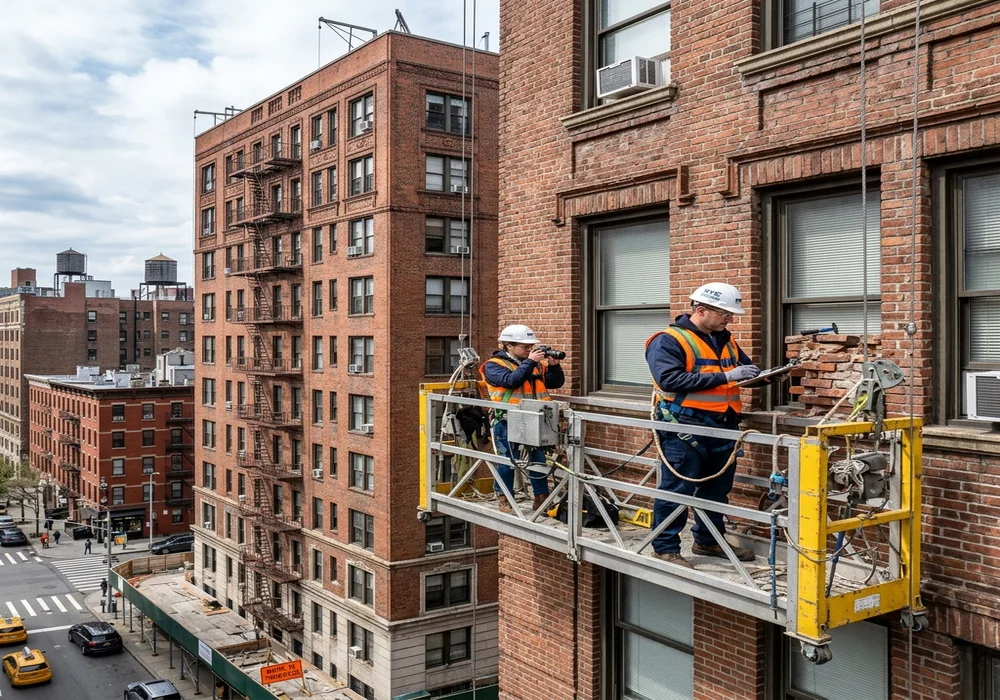
If you own a building in New York City that is more than six stories tall, facade compliance should already be part of your building management strategy. The Facade Inspection and Safety Program (FISP) is one of the city's most important ongoing safety programs, requiring periodic inspections of exterior walls and related building elements.
Many owners think about FISP only when they receive reminders from consultants or when filing deadlines approach. Unfortunately, waiting until the last minute often creates unnecessary costs, scheduling problems, and compliance risks.
FISP Cycle 10 is already underway, and owners should treat it as an active compliance obligation rather than a future project.
Unlike many administrative filings, facade inspections involve planning, building access, professional evaluations, repair coordination, and documentation. Depending on the condition of the building, the process may take several months from the initial inspection to the final report submission.
Understanding FISP Cycle 10 NYC requirements allows owners to prepare early, reduce project delays, and avoid unnecessary penalties while maintaining safer buildings.
What Is the Facade Inspection and Safety Program (FISP)?
The Facade Inspection and Safety Program, commonly known as FISP, is a New York City program that requires periodic inspections of exterior walls and appurtenances on buildings that exceed six stories in height.
The program exists because exterior building components naturally age over time. Weather exposure, seasonal temperature changes, moisture, corrosion, and ordinary wear can gradually weaken facade systems. If deterioration is not identified early, pieces of masonry, stone, concrete, or other facade elements may eventually become hazardous. Periodic inspections help identify these conditions before they become serious public safety issues.
Why FISP Exists
New York City contains thousands of aging buildings with exterior wall systems that require ongoing maintenance. Facade failures can create risks for building occupants, pedestrians, neighboring properties, vehicles, and emergency responders. Regular inspections encourage early identification of deterioration so repairs can be planned before conditions worsen.
Why Cycle 10 Is Different for Owners
Many owners think of FISP as something that happens every several years and therefore receives little attention between filing periods. Cycle 10 should be viewed differently. For buildings that fall within the applicable filing period, this is an active compliance cycle requiring planning, scheduling, documentation, and coordination.
Owners who postpone preparation may discover that:
- Qualified inspectors have limited availability.
- Access planning takes longer than expected.
- Repairs require additional time.
- Public protection measures become necessary.
- Filing deadlines approach before required work is complete.
Early preparation provides significantly more flexibility.
Which Buildings Are Covered?
In general, FISP applies to buildings that are higher than six stories. Owners of these buildings should determine whether their property falls within the program requirements and identify the applicable filing period. Because filing schedules are organized into sub-cycles, not every covered building files at exactly the same time. Owners should verify their specific filing schedule rather than relying on assumptions or previous cycle calendars.
Understanding the Cycle System
FISP operates on recurring inspection cycles. Within each cycle, buildings are assigned filing windows based on designated sub-cycles. This staggered approach helps distribute inspections across the city rather than requiring every building to file simultaneously.
Owners should know:
- Which cycle applies.
- Which sub-cycle applies.
- Applicable filing deadlines.
- Prior filing history.
Maintaining this information in building records simplifies future compliance.
Why Waiting Can Become Expensive
Many owners delay facade inspections because they believe the building appears to be in good condition. Unfortunately, exterior deterioration is not always visible from the sidewalk. Small defects identified today may become larger repair projects if left unaddressed. Delaying inspections may also create scheduling challenges, professional availability issues, additional engineering costs, filing delays, administrative penalties, and extended repair timelines. Planning early generally provides more options.
Facade Repairs Rarely Become Less Expensive
Building exteriors continue to experience rain, snow, wind, freeze-thaw cycles, sun exposure, and moisture infiltration. As time passes, deterioration may continue even if no visible problems appear from street level. Addressing conditions earlier often allows owners to plan repairs more efficiently instead of responding during emergencies.
Why Unsafe Conditions Matter
If an inspection identifies conditions considered unsafe, owners may need to respond promptly. Depending on the circumstances, this may involve immediate repairs, public protection measures, additional inspections, ongoing monitoring, and follow-up documentation. Unsafe conditions should never be viewed as ordinary maintenance items. They require careful attention because they may affect public safety.
Understanding Public Protection
When facade conditions present potential hazards, temporary protective measures may become necessary. Examples may include sidewalk protection, restricted access areas, temporary barriers, or protective structures where required. Although these measures improve public safety, they may also increase project costs and affect building operations. Owners benefit when deterioration is addressed before emergency protection becomes necessary.
Sidewalk Sheds Can Increase Long-Term Costs
One of the most significant indirect costs associated with delayed facade work involves prolonged sidewalk protection. Extended protective installations may create additional expenses related to installation, maintenance, inspections, extended project duration, public perception, and tenant concerns. Resolving repairs efficiently often reduces these ongoing costs.

What Owners Should Do First
Owners should begin by confirming whether the building is covered under FISP. After confirming applicability, the next steps typically include:
- Identifying the applicable Cycle 10 sub-cycle.
- Reviewing previous inspection reports.
- Understanding prior repair recommendations.
- Planning building access.
- Coordinating professional inspections.
Beginning this process early helps avoid last-minute scheduling problems.
Review Previous Cycle Reports
Previous inspection reports often contain valuable information. Review them for previously identified conditions, recommended repairs, monitoring recommendations, repair history, and building maintenance observations. Buildings frequently develop recurring issues in similar locations. Understanding historical conditions supports better planning.
Pay Attention to Previous Unsafe Findings
Owners should review whether previous inspection cycles identified unsafe conditions, Safe With a Repair and Maintenance Program (SWARMP) conditions, previously repaired areas, or deferred repairs. Areas requiring attention in previous cycles deserve careful review during Cycle 10. Recurring deterioration sometimes indicates underlying maintenance needs.
Why Access Planning Is Important
Facade inspections often require access to areas that are not immediately available. Planning may involve roof access, courtyards, adjacent properties, tenant coordination, mechanical areas, or exterior work zones. Waiting until the inspection date to address access questions frequently causes delays.
Choosing a Qualified Exterior Wall Professional
The inspection should be performed by a qualified professional familiar with FISP requirements. Owners should verify relevant qualifications, experience with facade inspections, reporting procedures, inspection methodology, and the expected project timeline. Choosing professionals early provides more scheduling flexibility during busy filing periods.
Building Documentation Owners Should Organize
Good documentation improves every stage of the compliance process. Owners should maintain:
- Previous FISP reports
- Repair records
- Building drawings
- Maintenance history
- Contractor information
- Inspection correspondence
- Photographs of repairs
- DOB filing confirmations
Organized records simplify future inspections.
Common Mistakes Owners Make
Several recurring mistakes appear during every inspection cycle. These include:
- Waiting until the filing deadline.
- Assuming the building has no deterioration.
- Losing previous reports.
- Delaying repair planning.
- Failing to coordinate building access.
- Ignoring prior recommendations.
- Waiting until professionals become fully booked.
Most of these problems can be avoided through earlier preparation.
How FISP Affects Property Transactions
Facade compliance often becomes part of due diligence during property sales, refinancing, insurance reviews, portfolio acquisitions, and building management transitions. Buyers and lenders frequently review building records before completing transactions. Maintaining organized FISP documentation supports smoother reviews.
Portfolio Owners Need Long-Term Planning
Owners managing multiple buildings should create a centralized FISP tracking system. Managing multiple buildings through a structured system reduces missed deadlines.
| Field | Purpose |
|---|---|
| Building Address | Property identification |
| BIN | Building Identification Number |
| Previous Cycle | Historical reference |
| Current Cycle | Compliance tracking |
| Sub-Cycle | Filing schedule |
| Inspector | Responsible professional |
| Inspection Date | Timeline management |
| Report Status | Progress monitoring |
| Repairs Required | Maintenance planning |
| Filing Confirmation | Compliance records |

Best Practices for Cycle 10
Owners can improve compliance by following several practical habits. These include:
- Confirm building eligibility early.
- Verify the applicable sub-cycle.
- Review previous reports.
- Plan inspections well before deadlines.
- Coordinate tenant access.
- Organize building documentation.
- Budget for potential repairs.
- Monitor filing progress.
- Retain all inspection records.
Proactive planning generally produces better outcomes than emergency scheduling.
A FISP Cycle 10 Preparation Checklist
Before the filing period advances, verify the following:
- ✔ Building exceeds six stories
- ✔ Cycle 10 applicability confirmed
- ✔ Sub-cycle identified
- ✔ Previous reports reviewed
- ✔ Qualified inspector selected
- ✔ Building access coordinated
- ✔ Maintenance history organized
- ✔ Repair budget reviewed
- ✔ Filing schedule confirmed
- ✔ Documentation stored securely
Using a checklist helps reduce administrative oversight while improving project coordination.
Why Early Planning Benefits Owners
Owners who begin planning early typically have greater flexibility when selecting inspection dates, coordinating contractors, budgeting for repairs, and completing documentation. Early planning may also reduce the likelihood of rushed decisions, scheduling conflicts, and avoidable compliance issues. Although every building presents different challenges, proactive preparation generally provides more options than waiting until filing deadlines approach.
Conclusion
Understanding FISP Cycle 10 NYC is essential for owners of buildings taller than six stories. Facade inspections are not simply another filing requirement. They are an important part of maintaining building safety, protecting the public, and preserving long-term property value. Because inspections often involve professional evaluations, access coordination, repair planning, documentation, and official reporting, they require significantly more preparation than many owners initially expect.
The most effective strategy is to begin early. Confirm whether the building falls within Cycle 10, identify the applicable sub-cycle, review previous inspection history, organize building records, coordinate access, and schedule qualified professionals well before deadlines become urgent.
Waiting until the final weeks of a filing window can reduce scheduling options and increase project costs. A planned approach gives owners more time to address findings, organize documentation, and keep their buildings in good standing throughout the compliance cycle.
Frequently Asked Questions
What is FISP Cycle 10?
FISP Cycle 10 is the current inspection cycle under New York City's Facade Inspection and Safety Program for buildings higher than six stories. Covered buildings must complete required facade inspections and submit reports during their assigned filing window.
Which buildings are affected?
Generally, buildings that are taller than six stories are subject to FISP requirements. Owners should verify whether their property falls within the program and identify the applicable sub-cycle.
Why should owners begin planning early?
Facade inspections often require scheduling qualified professionals, coordinating building access, reviewing previous reports, planning repairs, and preparing documentation. Starting early provides more flexibility and reduces deadline pressure.
What records should owners review?
Owners should organize previous FISP reports, repair history, maintenance records, inspection correspondence, building drawings, photographs, and filing confirmations before beginning Cycle 10 planning.
What happens if unsafe conditions are identified?
Depending on the inspection findings, owners may need to complete repairs, implement public protection measures, undergo additional inspections, or satisfy other reporting requirements before compliance is complete.
Where should owners check their building records?
Owners can begin by reviewing the DOB NOW Public Portal and the Building Information System (BIS). Depending on the property and the type of record, additional information may also be available through NYC Open Data.
You may also
like