BY NYC Energy Code Team
ON 06 Jul 2026
NYC Local Law 152
Paid Violation Still Open NYC: Why Your Building Record May Still Show an Open Violation
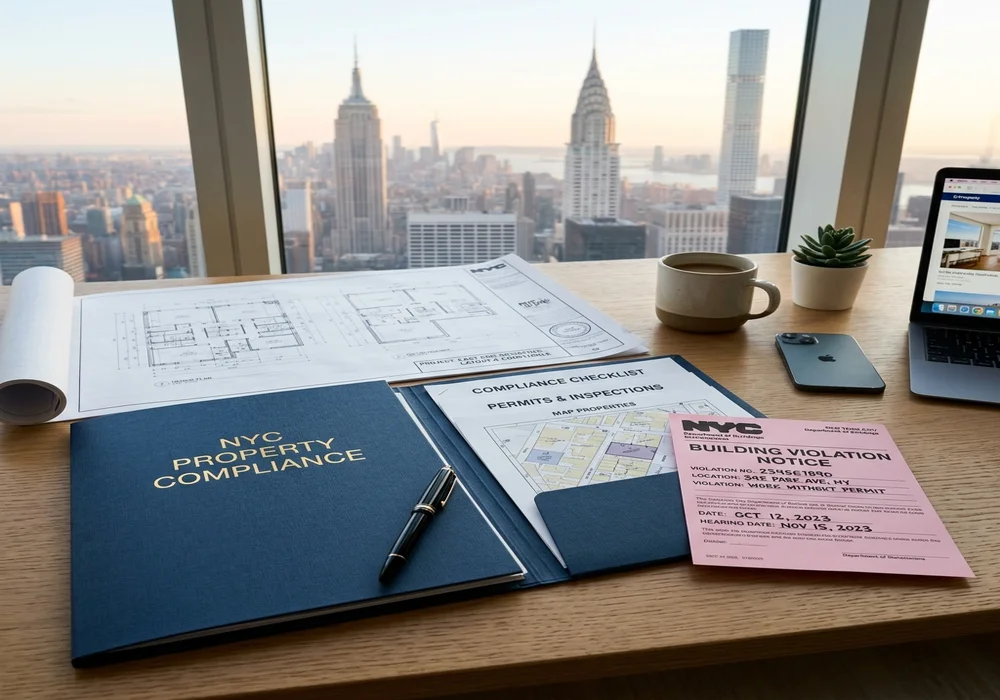
Many New York City property owners experience the same frustrating situation. A violation is issued, the penalty is paid, and everyone assumes the matter has been resolved. Weeks or even months later, the owner checks the property's public records and discovers that the violation still appears as open.
This creates understandable confusion. If the penalty has already been paid, why does the violation remain open?
The answer is that paying a violation and closing a violation are often two different things. In many cases, payment satisfies only the financial portion of the enforcement process. The Department of Buildings (DOB) or the Office of Administrative Trials and Hearings (OATH) may still require correction documentation, certifications, inspections, permits, or other filings before the record can be updated.
Understanding why a paid violation still open NYC situation occurs helps property owners avoid unnecessary delays, improve recordkeeping, and ensure that both the financial and compliance sides of enforcement are fully resolved.
Why an Open Violation Can Remain After Payment
One of the most common misunderstandings in NYC building compliance is believing that paying a penalty automatically closes the underlying enforcement record. That is not always how the process works.
A violation may remain open because:
- Required correction documentation has not been submitted.
- A certification of correction is still outstanding.
- A required permit has not been obtained.
- A reinspection has not occurred.
- The Department of Buildings has not updated the property record.
- Administrative filings remain incomplete.
The important point is that payment alone may not satisfy every requirement associated with the violation.
Payment and Compliance Are Two Separate Processes
A useful way to understand the issue is to think of every violation as having two different components.
Financial Component
This involves civil penalties, hearing penalties, administrative fees, and other monetary obligations. Payment addresses this part of the enforcement process.
Compliance Component
This involves correcting the issue that caused the violation. Depending on the circumstances, this may require physical repairs, administrative filings, professional certifications, permit updates, reinspections, and status updates. Only after these requirements have been completed can the public record accurately reflect the building's current condition.
Payment Is Not the Same as a Repair
This distinction is one of the most important concepts for building owners. Imagine that a violation was issued because unsafe construction was observed, required permits were missing, annual reports were never filed, equipment remained non-compliant, or unsafe building conditions existed.
Paying a penalty does not physically correct any of those issues. Instead, the owner must demonstrate that the cited condition has actually been resolved. The financial obligation and the corrective obligation are separate responsibilities.
Why the Public Record May Still Show "Open"
The Department of Buildings maintains public records that reflect compliance status. If required documentation has not yet been accepted or processed, the property may continue showing an open violation even after penalties have been paid. This does not necessarily mean the payment was unsuccessful. It may simply indicate that additional compliance steps remain outstanding.
Read the Violation Carefully
Before assuming something has gone wrong, owners should carefully review the original violation notice. Important questions include:
- What condition caused the violation?
- What corrective action is required?
- Is certification required?
- Does a professional need to sign documentation?
- Is reinspection necessary?
- Are permits required?
- Are additional reports required?
- Does the notice describe a filing deadline?
Every violation should be reviewed individually rather than assuming the same process applies in every case.
Common Reasons a Violation Remains Open
Several situations commonly prevent a violation from being closed:
Missing Certification of Correction
Some violations require documentation certifying that corrective work has been completed. Without this certification, payment alone may not resolve the matter.
Outstanding Permit Requirements
If the violation involves work requiring permits, obtaining the permit may be only one step. The project may also require inspections, approvals, or completion documentation.
Missing Professional Documentation
Certain situations require reports or certifications prepared by qualified professionals. If these documents have not been submitted, the record may remain open.
Required Reinspection
Some violations require the Department of Buildings or another authorized party to verify that conditions have been corrected before the violation can be closed.
Administrative Processing
Even after all required documentation has been submitted, updates to public records may take time to appear. Owners should verify whether documentation has been accepted before assuming additional action is required.
Never Assume Every Violation Works the Same Way
Different types of violations involve different correction procedures. For example, one violation may require a payment, a correction certificate, a permit, and a reinspection. Another may require only documentation. Another may involve hearing obligations. Reading the specific notice remains the most reliable way to understand what is expected.
What Should Owners Check?
If a paid violation still appears open, review the following:
- Original violation notice
- Payment receipt
- Required corrective actions
- Filing confirmations
- Permit records
- Inspection reports
- Professional certifications
- DOB correspondence
- Current property status
Create a Complete Closure Package
One of the best practices for NYC property owners is maintaining a complete violation closure package. This package should contain:
- Original violation notice
- Payment receipt
- Photographs of completed work (when applicable)
- Repair documentation
- Professional reports
- Certificates of correction
- Permit documentation
- Submission confirmations
- DOB or OATH correspondence
- Final status verification
Why a Closure Package Matters
Owners frequently need compliance records years after the violation occurred. Examples include property sales, mortgage refinancing, insurance renewals, board reviews, management company transitions, future DOB inspections, and legal due diligence. Organized documentation reduces administrative delays during these events.
Verify the Current Status
After completing every required step, owners should review the property's official records. Verify whether the violation status has changed, required filings were accepted, corrections appear complete, and public records accurately reflect the property's condition. Never assume that submitted paperwork automatically updates every public database immediately.
Save Proof of the Final Status
After the violation is closed, retain evidence showing the updated status. Examples include portal screenshots, confirmation pages, filing acknowledgements, official correspondence, and updated status reports. These records provide valuable evidence if questions arise later.
Common Mistakes Property Owners Make
Several recurring mistakes prolong the resolution process. These include assuming payment closes the violation, throwing away documentation after paying, ignoring correction requirements, losing filing confirmations, failing to verify updated records, not reading the violation carefully, and depending solely on verbal updates. Most of these problems can be avoided through organized recordkeeping.
Why Public Records Matter
Many people besides the property owner may review building records, including buyers, lenders, insurance companies, property managers, attorneys, architects, and contractors. Maintaining accurate public records helps prevent unnecessary questions during future transactions.
Best Practices for Property Owners
Owners can reduce compliance issues by following several simple practices:
- Read every violation completely.
- Keep copies of all notices.
- Save payment receipts.
- Maintain correction documentation.
- Verify filing acceptance.
- Monitor public records.
- Store digital backups.
- Organize compliance files by property.
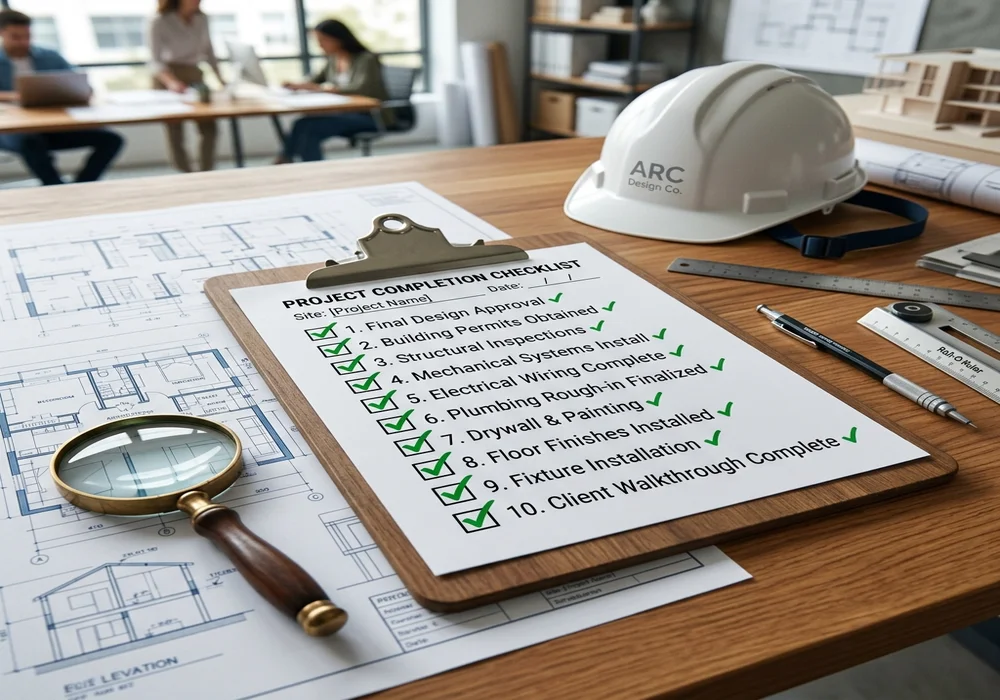
A Violation Closure Checklist
Before considering the matter complete, confirm the following:
- ✔ Original violation reviewed
- ✔ Payment completed
- ✔ Corrective work finished
- ✔ Required permits obtained (if applicable)
- ✔ Professional certifications completed
- ✔ Correction documents submitted
- ✔ Filing confirmations saved
- ✔ Public records reviewed
- ✔ Status updated
- ✔ Closure package organized
Practical Rule for Every Property Owner
A simple rule applies to nearly every violation: Do not stop at payment. Stop when the public record matches reality.
If the building condition has been corrected but the official record still shows the violation as open, determine which remaining administrative step has not yet been completed. Approaching the issue systematically is usually much more effective than assuming the payment should have resolved everything automatically.
Conclusion
Understanding why a paid violation still open NYC situation occurs can save property owners considerable time and frustration. Paying a penalty often resolves only the financial portion of an enforcement action. Depending on the violation, owners may also need to complete corrective work, obtain permits, submit certifications, undergo reinspections, or provide other documentation before the Department of Buildings or OATH updates the property's public record.
Maintaining a complete closure package—including payment receipts, correction documentation, professional reports, submission confirmations, and proof of the final status—helps owners demonstrate compliance during future inspections, property transactions, insurance reviews, and financing activities.
The goal is not simply to pay the violation. The goal is to ensure that the official record accurately reflects that every required step has been completed.
Frequently Asked Questions
Why is my violation still open after payment?
Because payment may satisfy only the financial obligation. Correction documentation, filing acceptance, permits, certifications, reinspections, or status updates may still be required before the violation is closed.
Does paying the penalty remove the public record?
Not necessarily. Public records may continue showing the violation or its history until all required compliance steps have been completed and the appropriate agencies update the property's status.
What proof should I keep?
Owners should retain payment receipts, correction documentation, professional reports, filing confirmations, permits, inspection records, correspondence, and screenshots showing the final status of the violation.
How do I know if additional action is required?
Review the original violation notice carefully. It should identify any required corrective actions, certifications, permits, inspections, or filings associated with the violation.
Why should I create a closure package?
A complete closure package simplifies future property sales, refinancing, insurance renewals, board reviews, and DOB compliance discussions by providing organized evidence that the matter was fully resolved.
What is the most important rule to remember?
Do not assume payment alone closes the violation. Continue the process until the corrective work has been completed, all required documentation has been accepted, and the public record accurately reflects the building's compliance status.
You may also like