BY NYC Energy Code Team
ON 29 Jun 2026
Who Can Perform LL152 Inspection NYC? A Complete Guide for Building Owners
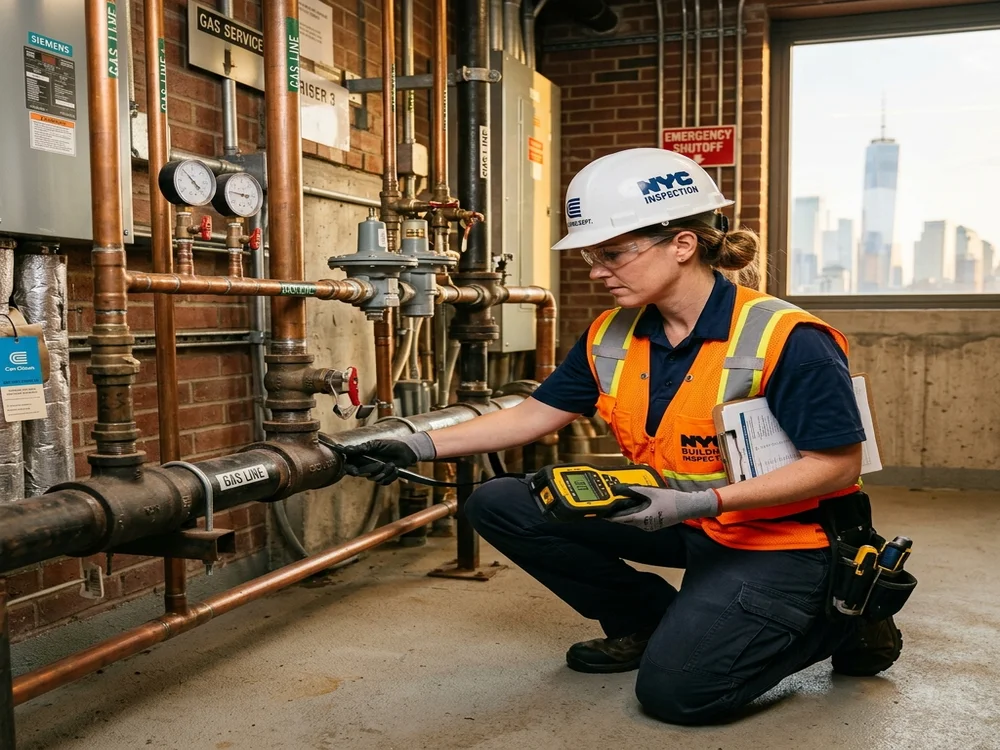
When it comes to Local Law 152 compliance, choosing the right inspection provider is just as important as scheduling the inspection itself. Many New York City property owners focus on finding the lowest price or the earliest available appointment, but those factors alone should never determine who performs the inspection.
A gas piping inspection that is not completed by an appropriately authorized professional can create significant problems. Even if the inspection appears thorough, the paperwork may not support a valid Department of Buildings (DOB) compliance filing if the inspection was not performed under the required qualifications.
For this reason, understanding who can perform LL152 inspection NYC is one of the first responsibilities of every building owner, property manager, and managing agent.
Selecting a qualified inspection provider helps ensure that the inspection, documentation, certification, and filing process all support successful Local Law 152 compliance.
Why Choosing the Right Inspector Matters
Local Law 152 is more than a maintenance requirement. It is a regulatory compliance process established by the New York City Department of Buildings. That means the inspection must satisfy legal and administrative requirements—not simply identify visible gas piping conditions.
Choosing the wrong provider can lead to:
- Invalid documentation
- Delayed certification
- Additional inspections
- Increased administrative costs
- Missed filing deadlines
- Compliance complications
- Potential enforcement actions
The cost of correcting an improperly handled inspection is often much greater than choosing the right professional from the beginning.
Local Law 152 Is Not a Standard Plumbing Service
Some owners assume that every plumbing company automatically performs Local Law 152 inspections. That assumption can be risky. While many plumbing professionals possess extensive technical knowledge, Local Law 152 inspections involve specific compliance procedures, documentation requirements, and filing responsibilities.
The inspection is not simply about checking gas piping. It also involves:
- Understanding Local Law 152 requirements.
- Preparing inspection documentation.
- Identifying conditions requiring correction.
- Supporting proper certification.
- Completing the required compliance process.
Because of these responsibilities, owners should verify that the provider is authorized and experienced with Local Law 152 inspections.
Credentials Matter
One of the most important lessons for building owners is simple: Never assume credentials. Before hiring anyone, verify who will actually perform the inspection.
Owners should understand:
- Who is conducting the inspection.
- What professional qualifications they possess.
- Whether they are authorized to perform Local Law 152 inspections.
- How supervision is handled when required.
- Who is responsible for certification.
- Who completes the filing process.
These questions are part of normal business due diligence. Professional inspection companies should expect them.
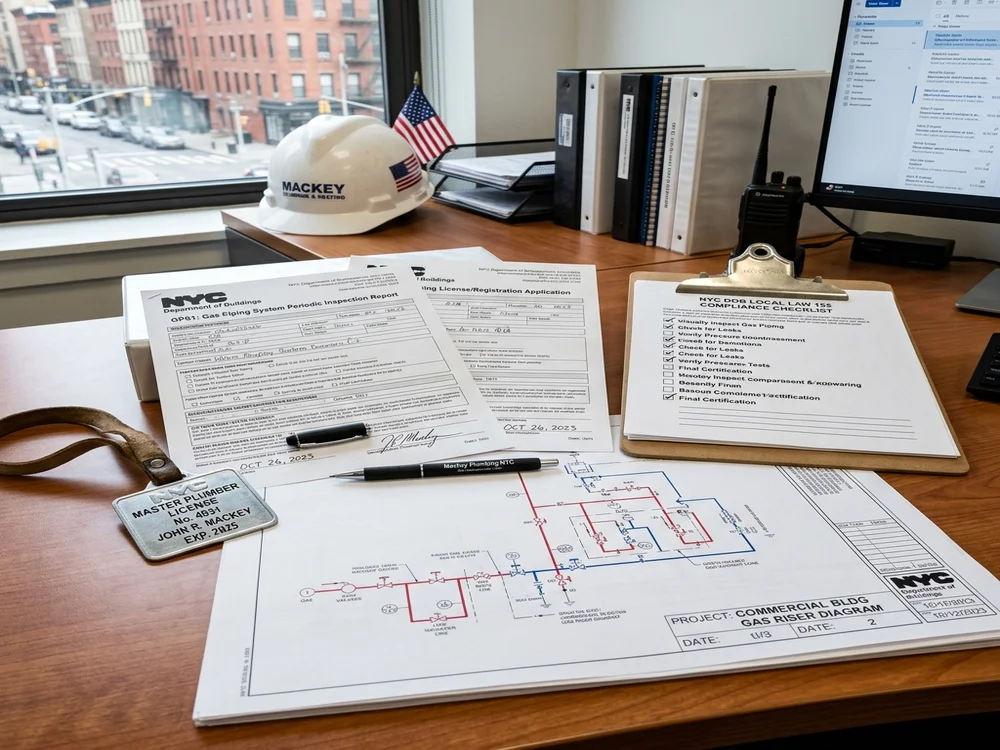
Why Verification Protects the Owner
Owners sometimes feel uncomfortable asking detailed questions. In reality, reputable providers generally welcome informed clients. Verifying credentials protects everyone involved. It reduces misunderstandings and helps ensure the inspection produces documentation that supports compliance. Verification also demonstrates responsible property management.
Questions Every Building Owner Should Ask
Before scheduling an inspection, owners should ask several important questions.
Who Will Actually Perform the Inspection?
The company providing the estimate may not be the same individual who visits the property. Clarify exactly who will conduct the inspection.
What Qualifications Do They Hold?
Ask the provider to explain the professional qualifications relevant to Local Law 152 inspections. Understanding these qualifications helps owners make informed decisions.
How Will the Filing Be Handled?
Inspection completion is only part of the process. Owners should understand: Who prepares the required documentation; Who submits certifications; When filings are completed; What confirmation will be provided.
What Happens If Problems Are Found?
Some inspections identify conditions requiring correction. Owners should understand how findings will be documented, what correction process follows, whether additional documentation will be required, and how compliance will proceed after repairs. Knowing this process in advance reduces uncertainty.
Price Should Not Be the Only Factor
Every owner appreciates competitive pricing. However, selecting the lowest quote without understanding what is included can become expensive later. Inspection pricing may vary because providers offer different levels of service.
Some quotes include:
- Inspection
- Documentation
- Filing assistance
- Compliance guidance
- Record preparation
Others may include only the inspection itself. Comparing prices without comparing services often produces misleading conclusions.
What a Professional Inspection Process Should Include
A well-organized Local Law 152 inspection process generally involves several stages.
Before the Inspection
The provider should explain required building access, areas to be inspected, scheduling expectations, documentation needed, and estimated timeline.
During the Inspection
The inspection should proceed systematically. Depending on the building, inspectors may review: Exposed gas piping, Mechanical rooms, Boiler areas, Utility spaces, Meter locations, Public areas, and other accessible gas piping systems.
After the Inspection
Owners should receive clear information regarding: Inspection findings, Documentation, Next steps, Required corrections (if any), Filing process, and Expected timelines. Transparency is one of the strongest indicators of a professional provider.
Understanding GPS1 and GPS2
A qualified Local Law 152 provider should clearly explain the difference between GPS1 and GPS2. Owners should understand that GPS1 documents the inspection findings, while GPS2 relates to the certification process submitted to DOB. Confusing these two documents is one of the most common compliance mistakes. A knowledgeable provider should explain how each document fits into the overall process.
Why Clear Communication Matters
Professional inspections involve communication before, during, and after the appointment. Owners should know: When inspectors will arrive; Which areas require access; Whether tenants need notification; How long the inspection may take; When documentation will be delivered. Poor communication often causes avoidable delays.
What Building Owners Should Receive
After the inspection is complete, owners should maintain a complete compliance file. Recommended documents include: Inspection report, GPS1 documentation, GPS2 certification information, DOB submission confirmation, Provider contact information, Correction documentation, Inspection correspondence, and Supporting invoices. Maintaining complete records simplifies future compliance.
Why Recordkeeping Is Important
Documentation often becomes valuable months or years after the inspection. Records may be needed during: Property sales, Refinancing, Management transitions, DOB inquiries, Future inspection cycles, and Insurance reviews. Well-organized records reduce administrative work later.
Understanding Conditions Requiring Correction
Not every inspection ends with immediate certification. Inspectors may identify conditions that require correction before compliance can be completed. Examples may include damaged piping, corrosion, accessibility concerns, installation issues, or other observed deficiencies. Owners should understand how these findings affect the compliance timeline.
What Happens After Repairs?
If repairs become necessary, owners should verify: Who documents completed work; Whether additional inspections are required; What certifications will be issued; When DOB filings will occur; and How compliance will be confirmed. Understanding this process prevents confusion later.
Warning Signs When Hiring an Inspection Provider
Owners should exercise caution if a provider: Cannot explain the inspection process; Avoids discussing documentation; Provides unclear answers about certification; Cannot explain GPS1 and GPS2; Offers unusually low pricing without explanation; Refuses to discuss qualifications; or Cannot describe post-inspection procedures. Professional providers generally communicate clearly and transparently.
Why Experience Matters
Experience improves efficiency. Providers familiar with Local Law 152 often understand DOB procedures, anticipate documentation needs, coordinate inspections effectively, explain compliance clearly, and reduce administrative errors. While every building is unique, experience often contributes to a smoother compliance process.
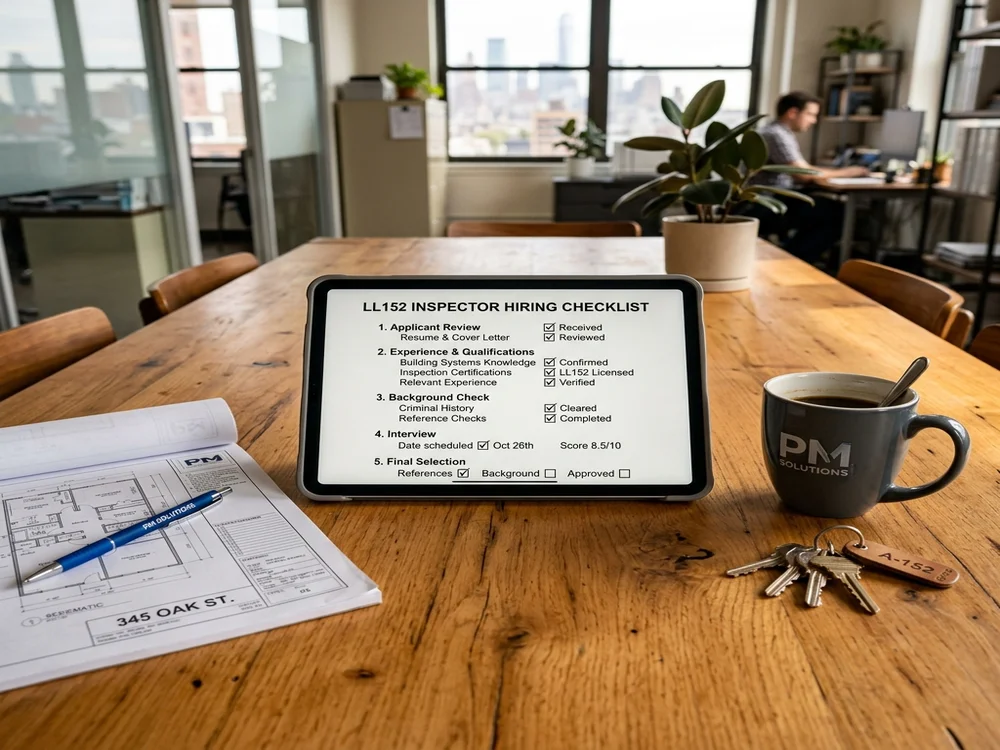
A Simple Hiring Checklist
Before selecting an inspection provider, verify the following:
- Authorized to perform Local Law 152 inspections
- Experience with Local Law 152 compliance
- Clear explanation of inspection scope
- Transparent pricing with no hidden fees
- Documentation process explained clearly
- GPS1 and GPS2 responsibilities clarified
- Filing procedure and deadlines explained
- Timeline for report delivery provided
- DOB confirmation process discussed
Completing this checklist helps owners compare providers more effectively.
Five Questions Every Owner Should Ask
A practical screening script includes these questions:
1. Are you authorized to perform Local Law 152 inspections?
Ensure the provider has the appropriate New York City Department of Buildings authorizations.
2. Who will actually conduct the inspection?
Confirm if it's the master plumber themselves or someone under their direct supervision.
3. Who prepares and submits the required certification?
Understand the workflow and verify they will handle the GPS2 certification submission.
4. How soon will I receive the inspection report and filing confirmation?
Confirm reporting and filing turn-around times to avoid missed deadline penalties.
5. What happens if the inspection identifies conditions requiring correction?
Clarify how deficiencies are handled, documented, and how re-inspections or repair filings are scheduled.
Providers who answer these questions clearly usually demonstrate a more organized compliance process.
Best Practices for Property Owners
Owners can improve the inspection experience by:
- Scheduling inspections well before deadlines.
- Verifying professional credentials.
- Organizing building records.
- Coordinating access to inspection areas.
- Saving all compliance documentation.
- Following correction procedures promptly.
- Confirming DOB submissions.
- Maintaining records for future inspection cycles.
These practices support long-term compliance.
Conclusion
Understanding who can perform LL152 inspection NYC is an essential part of complying with Local Law 152. Choosing an appropriately authorized and experienced inspection provider helps ensure that inspections are completed correctly, documentation is properly prepared, certifications are handled accurately, and building owners receive the records needed to demonstrate compliance.
Rather than selecting a provider based solely on price, owners should evaluate qualifications, communication, documentation procedures, and filing responsibilities. Asking the right questions before hiring can prevent costly misunderstandings and create a smoother inspection process from start to finish.
A successful Local Law 152 inspection is not simply about examining gas piping—it is about completing the entire compliance process with confidence and maintaining accurate records for the future.
Frequently Asked Questions
Can any plumber perform Local Law 152 inspections?
No. Owners should verify that the inspection is performed by an appropriately authorized professional under Local Law 152 requirements. Never assume that every plumbing contractor automatically performs compliant inspections.
Should owners verify credentials before hiring?
Yes. Confirming qualifications, experience, and responsibility for documentation is an important part of due diligence before scheduling an inspection.
Should the owner receive proof of filing?
Yes. Owners should retain inspection reports, certification documents, and proof that required submissions have been completed as part of their permanent building records.
What happens if repairs are identified?
Conditions requiring correction should be addressed according to the applicable compliance process before assuming the building has fully satisfied Local Law 152 requirements.
What documents should owners keep?
Owners should retain the inspection report, GPS1 documentation, GPS2 certification information, DOB submission confirmation, provider information, invoices, and any correction-related records.
Is the cheapest inspection always the best option?
Not necessarily. Owners should compare qualifications, documentation procedures, filing support, communication, and overall compliance services—not just the quoted inspection price.
You may also
like