Learn how to navigate LPC approvals for energy retrofits in NYC landmarked buildings.
BY NYC Energy Code Team
ON
18 September 2026
Window Restoration vs Replacement for Landmarked Buildings
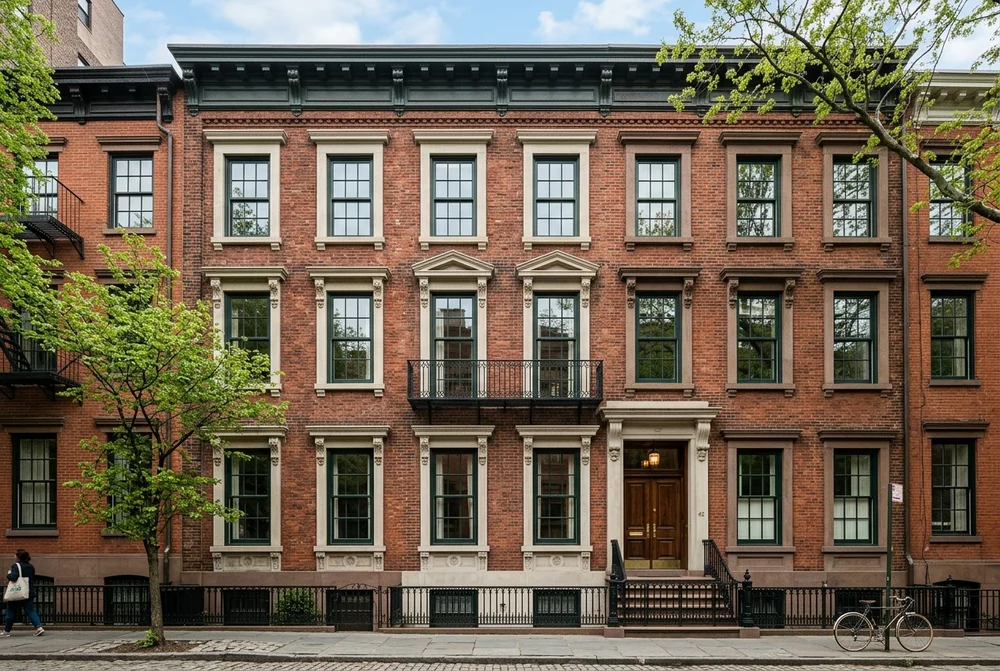
Windows are one of the most visible—and often most sensitive—parts of a historic building. For owners of NYC landmarked buildings and properties in historic districts, deciding whether to restore existing windows or replace them involves more than comparing installation costs.
The choice can affect historic character, energy performance, occupant comfort, maintenance, and the project's approval process.
NYC's Landmarks Preservation Commission (LPC) recognizes that historic windows can be repaired, retrofitted, or replaced depending on their condition and performance. Its current window guidance specifically encourages owners to evaluate these options rather than assuming that full replacement is always necessary.
The Dual Objective of Historic Windows
LPC guidance explicitly notes that windows play a vital role in building performance by managing light, air, occupant comfort, energy efficiency, acoustic control, safety, and security. A successful window initiative balances preserving historic fabric and architectural character with delivering modern thermal and operational performance.
Why Historic Windows Matter
Historic windows are often integral to a building's architectural character. Their proportions, muntins, profiles, materials, and relationship to the surrounding facade can contribute significantly to the appearance of a landmarked property.
LPC notes that windows can also play an important role in building performance by managing light and air, occupant comfort, energy efficiency, noise, safety, and security.
Preserve the building's character + Improve its performance
What Is Window Restoration?
Window restoration focuses on repairing and preserving the existing window assembly rather than replacing it entirely.
Depending on the condition of the window, work may include:
- Repairing deteriorated wood with epoxy consolidants or dutchman repairs
- Replacing damaged or broken glass panes
- Repainting sash and frames with breathable exterior finishes
- Replacing worn weatherstripping with high-performance bronze or silicone gaskets
- Air sealing perimeter gaps and weight pockets
- Repairing, cleaning, and re-hanging historic sash cords, chains, and counterweights
- Repairing traditional glazing putty and bedding compounds
- Adding compatible energy-efficiency improvements, such as low-profile interior storm windows
LPC states that most ordinary repairs and many energy-efficiency upgrades to existing windows do not require an LPC permit. Examples include glass replacement, weatherstripping, and caulking.

What Is Window Replacement?
Window replacement involves installing a new window assembly or replacing major portions of the existing window. Replacement can range from relatively limited work to complete removal and installation of a new window system.
Sash replacement → Insert window → Full window replacement
The appropriate option depends on the condition of the existing frame and the performance goals of the project. LPC's current guidance recognizes several replacement approaches and notes that deteriorated, poor-condition, or functionally deficient windows may be replaced.
Restoration vs Replacement: At a Glance
| Factor | Window Restoration | Window Replacement |
|---|---|---|
| Historic material | Preserved in place | Some or all may be removed |
| Initial construction | Generally less extensive | Generally more extensive |
| Historic appearance | Retained completely | Must be carefully matched where required |
| Energy improvement | Can be significant with proper retrofit | Potentially greater depending on system |
| Installation disruption | Usually lower | Usually higher |
| Existing frames | Retained where feasible | May be repaired, modified, or removed |
| LPC review | Often not required for ordinary repairs | LPC permit generally required |
| Best suited for | Repairable historic windows | Deteriorated or functionally deficient windows |
The actual cost and performance depend on the specific building and window system.
When Restoration Makes Sense
Restoration can be a practical choice when the existing windows are fundamentally sound. LPC specifically states that historic windows in fair or good condition can be repaired and retrofitted, allowing owners to conserve existing material while improving functionality and energy performance.
Restoration may be particularly appropriate when:
- Historic sash and frames remain structurally sound
- Wood deterioration is localized and repairable
- Windows possess distinctive architectural or hand-blown glass significance
- Air leakage and drafts are the primary performance complaints
- Glazing can be upgraded or paired with storm windows
- The owner wants to retain original dense, old-growth timber material
For example, weatherstripping and air sealing can dramatically improve airtightness without removing the original window.
When Replacement Makes Sense
Replacement becomes more reasonable when the existing windows are seriously deteriorated or no longer function adequately.
Potential indicators include:
- Extensive structural rot in frames and sills
- Repeated water infiltration damaging interior finishes or brick masonry
- Failed insulated glazing units with permanent fogging
- Severe racking, binding, or inoperable sash hardware
- Significant air leakage through deteriorated joinery that cannot be sealed
- Safety problems, such as egress compliance deficiencies
- Severe functional deficiencies that impair normal building use
LPC's current fact sheet states that windows that are deteriorated and in poor condition or functionally deficient can be replaced. However, replacement does not mean the owner can automatically install any modern window. The proposed replacement must satisfy applicable LPC standards for the building and facade.
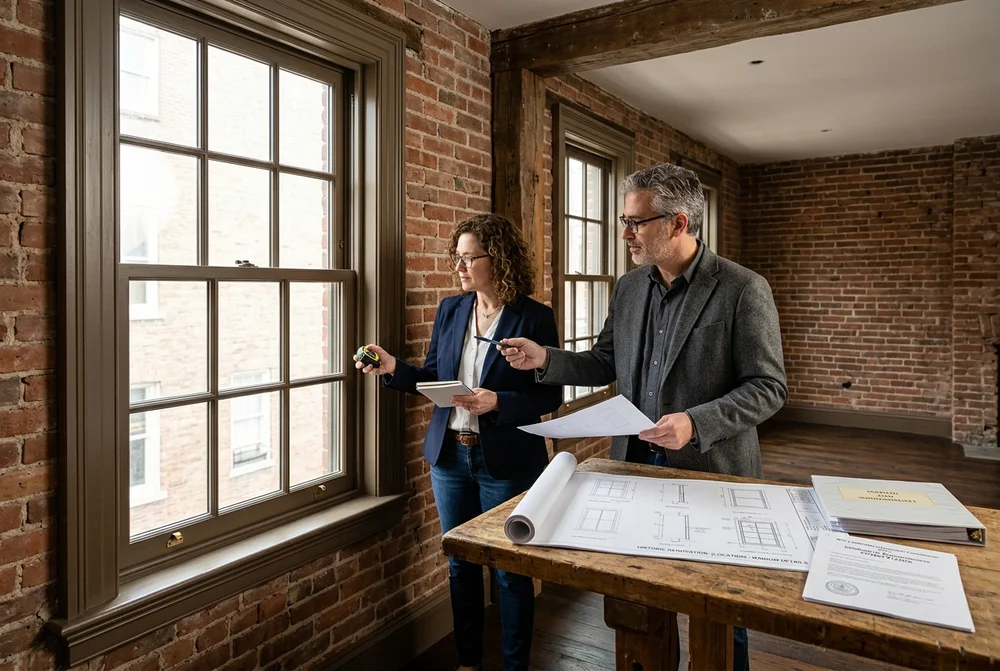
How LPC Approval Affects the Decision
For NYC landmarked properties, regulatory approval is one of the most consequential differences between restoration and replacement.
LPC states that exterior alterations to designated buildings generally require Commission review. Replacing windows is specifically identified as work requiring an LPC permit, while ordinary repairs such as replacing broken glass or caulking may not require one.
A Permit for Minor Work (PMW) can cover window or door replacement in existing openings when the proposed work is restorative or appropriate and does not require a DOB permit. The application is submitted online through Portico, and LPC staff determines the applicable permit type after reviewing the documentation.
Do Replacement Windows Have to Be Identical?
Not necessarily in every detail. The level of matching required depends on factors including the facade visibility and building context.
For example, LPC's current guidebook indicates that replacement windows at visible secondary facades can have more flexibility: staff-level approval requires matching the configuration and finish of the historic windows, rather than necessarily matching all materials, operation, or details.
The rules are more demanding on primary street-facing facades and significant architectural features. This is why a window replacement proposal should be evaluated by a preservation consultant before products are ordered or manufactured.
Energy Efficiency: Restoration vs Replacement
A common misconception is that preserving historic windows automatically means accepting poor energy performance. That is not necessarily the case.
Weatherstripping + Air sealing + Glazing improvements + Storm windows + Repaired frames
These measures can reduce drafts and improve comfort while preserving historic fabric. Studies show that a restored wood window paired with a high-performance low-e interior storm window can achieve thermal performance comparable to modern double-glazed replacement units.
On the other hand, replacement windows can provide factory-built glazing and thermally broken frame assemblies with enhanced thermal resistance and low air leakage. LPC's current guidebook also recognizes high-performance simulated double-hung windows as an acceptable variation in certain historic-district applications, including energy-efficiency programs using highly insulated frames, triple glazing, and minimal infiltration rates.
Energy performance and historic preservation do not have to be opposing goals.
Cost Considerations
A simple comparison of material sticker prices can be deeply misleading.
Restoration Costs
Restoration costs center primarily around skilled craftsmanship rather than material purchases:
- Specialized artisan labor and on-site carpenters
- Lead-safe paint removal and abatement
- Wood stabilization and epoxy consolidated repairs
- Re-glazing and historic glass procurement
- Hardware repair, sash re-balancing, and counterweight adjustment
- Perimeter weatherstripping and air-barrier caulking
- Custom interior storm window fabrication
Replacement Costs
Replacement costs encompass product fabrication and structural integration:
- Custom historic-profile window units engineered to LPC standards
- Careful removal and hazardous material disposal
- Scaffolding, rigging, and exterior hoist access
- Flashing integration, sub-frame leveling, and interior trim repairs
- LPC filing fees, architectural shop drawings, and mockups
The true economic comparison must evaluate total installed cost + expected performance + ongoing maintenance + preservation requirements, rather than product price alone.
A Better Decision Framework
Before committing to restoration or replacement, evaluate the property systematically:
1
Historic Significance
Identify which windows or facade features are particularly important to the building's architectural integrity and landmark district context.
2
Existing Condition
Conduct a hands-on physical inspection to determine whether existing frames, sills, and sash are repairable or structurally compromised.
3
Performance Deficiencies
Pinpoint specific comfort issues: air leakage, solar heat gain, condensation, street noise, or conductive thermal transfer.
4
Retrofit Potential
Assess whether weatherstripping, air sealing, sash re-hanging, and interior storm panels can achieve the required performance without removing historic material.
5
Replacement Feasibility
Determine whether a proposed replacement window can satisfy both energy targets and strict LPC profile/configuration standards.
6
Long-Term Lifecycle Cost
Compare installation expenditure, maintenance cycles, heating/cooling savings, and expected product lifespan over a 30-year horizon.
Example: Older Wood Windows
Imagine a landmarked building with original wood windows. A detailed conditions survey reveals:
- Most frames and brick mouldings are structurally sound old-growth pine
- Several glass panes are cracked or loose in dried putty
- Weatherstripping is missing or deteriorated
- Perimeter air infiltration is noticeable during winter
- Exterior paint is peeling, but underlying wood is solid
Full replacement is neither necessary nor cost-effective. A targeted restoration strategy—wood stabilization → repainting → spring-bronze weatherstripping → perimeter air sealing → low-profile interior storm units—delivers superior airtightness, saves capital, and avoids complex LPC replacement filings.
If another property exhibits severe dry rot, warped framing, and water leaking behind facade masonry, replacement becomes the appropriate pathway. Window condition must drive the decision.
Window Restoration and LL97 Planning
Window upgrades should be evaluated as part of a comprehensive building decarbonization plan under NYC Local Law 97.
Envelope improvements directly reduce space heating and cooling loads, decreasing boiler fuel consumption and chiller power demand. LPC provides specialized technical resources addressing sustainability and energy efficiency in historic buildings, including guidance on passive house standards and deep retrofits.
For comprehensive compliance planning, building owners should coordinate window improvements with insulation, air sealing, HVAC electrification, controls, and energy modeling to maximize carbon penalty avoidance.
Common Mistakes to Avoid
Replacing Windows Before Comprehensive Inspection
Historic timber windows often appear worse than they actually are. Surface peeling paint frequently conceals dense, high-grade old-growth wood that will outlast modern replacement assemblies.
Assuming Historic Windows Cannot Be Energy Efficient
Air sealing, high-quality weatherstripping, and interior storm panels can reduce air leakage by up to 90%, transforming drafty windows into high-performance assemblies without discarding historic fabric.
Purchasing Replacement Windows Prior to LPC Review
Ordering non-compliant windows that do not meet LPC profile, muntin, or brick-moulding standards can lead to costly DOB stop-work orders, violation notices, and expensive re-fabrication.
Evaluating Upfront Product Costs in Isolation
Installation labor, scaffolding, interior repairs, and ongoing maintenance cycles significantly alter the lifecycle financial calculation.
Ignoring Whole-Building Envelope Dynamics
Window performance must be coordinated with wall insulation, air barriers, and mechanical ventilation systems to prevent unanticipated moisture and condensation problems.
Landmark Window Project Checklist
- Confirm individual landmark or historic district designation status
- Identify primary street facades versus visible and non-visible secondary facades
- Conduct comprehensive condition survey of existing sash, frames, sills, and glazing
- Document specific deterioration, water infiltration, and air leakage problems
- Evaluate restoration, weatherstripping, and storm window retrofit alternatives
- Compare potential replacement window systems against LPC profile guidelines
- Review U-factor, solar heat gain coefficient (SHGC), and air leakage ratings
- Confirm LPC permit pathway (Permit for Minor Work vs. Certificate of Appropriateness)
- Prepare required architectural photographs, measured drawings, and section details
- Coordinate with qualified historic preservation architects and master craftsmen
- Integrate window strategy into larger Local Law 97 energy and carbon reduction plans
Conclusion
The choice between window restoration vs replacement for landmarked buildings should begin with the condition and architectural significance of the existing windows—not simply with the age of the glass.
Restoration can preserve irreplaceable historic craftsmanship while dramatically improving comfort and thermal performance through weatherstripping, air sealing, and interior storm retrofits. Replacement remains an appropriate solution when assemblies are severely deteriorated or functionally deficient, provided the replacement design conforms to rigorous LPC standards.
For NYC building owners, the most successful strategy evaluates historic value, physical condition, energy performance, installation costs, long-term maintenance, and LPC regulatory requirements together.
Frequently Asked Questions
Yes, but exterior window replacement on designated properties generally requires LPC review and a permit. The proposed replacement must comply with the applicable preservation standards.
Yes. LPC specifically recognizes repair and retrofit measures such as weatherstripping, air sealing, glazing improvements, and other energy-efficiency upgrades.
Many ordinary repairs and maintenance activities do not. LPC lists examples such as replacing broken window glass, caulking around windows, and installing weatherstripping. More substantial exterior alterations require review.
In some circumstances, yes. LPC's current guidebook provides pathways for certain high-performance simulated historic windows, including some passive-house applications in historic districts.
There is no universal answer. Restoration may reduce removal and replacement work, but specialized historic craftsmanship can be expensive. Replacement can involve substantial design, fabrication, installation, and preservation-related costs.
Often, yes. Window performance interacts with insulation, air leakage, HVAC sizing, lighting, and overall building energy use. Coordinating these measures can provide a more complete picture of the building's performance.