BY NYC Energy Code Team
ON 04 Aug 2026
Historic Preservation
Historic Building? Here's How to Stay Energy Compliant Without Losing Character
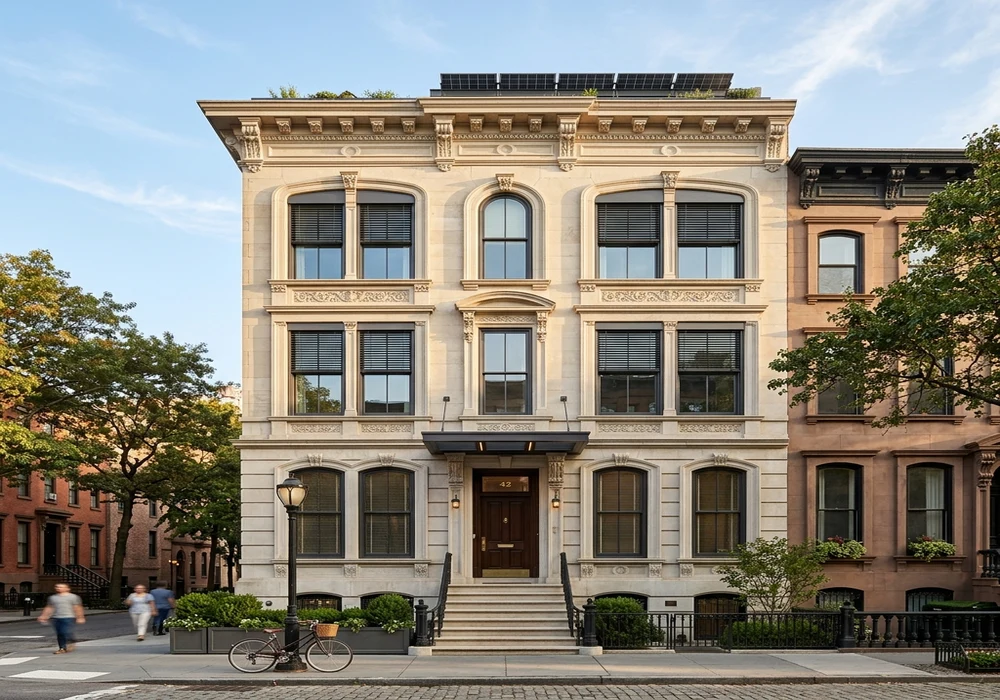
Owning a historic building in New York City comes with unique responsibilities. Beyond preserving architectural details and maintaining the property's historic charm, owners must also navigate modern energy regulations and building performance standards.
Many owners assume improving energy efficiency means replacing original windows, altering the façade, or making changes that could compromise the building's character. Fortunately, that's rarely the case.
With thoughtful planning, it's possible to improve energy performance, reduce operating costs, and support compliance while protecting the features that make a historic building unique.
Why Historic Buildings Present Unique Challenges
Unlike modern buildings, historic properties often include original construction materials, decorative façades, vintage windows, masonry walls, and architectural details that cannot simply be replaced.
Owners frequently need to balance:
- Historic preservation requirements
- Building performance
- Energy efficiency goals
- Occupant comfort
- Long-term maintenance costs
- Regulatory compliance
The goal isn't to modernize everything—it's to improve efficiency without sacrificing the building's historic identity.
Energy Compliance Doesn't Mean Losing Historic Character
One of the biggest misconceptions is that energy compliance requires major visible alterations. In reality, many energy improvements can be completed with little or no impact on a building's appearance.
Examples include:
- Upgrading HVAC equipment
- Improving building controls
- Installing LED lighting
- Sealing air leaks
- Optimizing heating and cooling schedules
- Improving insulation in appropriate locations
- Balancing ventilation systems
These upgrades often improve efficiency while leaving historic architectural features intact.
Start With an Energy Assessment
Before investing in upgrades, it's helpful to understand how the building currently performs. An energy assessment can identify:
- Areas of excessive energy loss
- Aging mechanical equipment
- Inefficient lighting
- Air leakage
- Heating and cooling inefficiencies
- Opportunities for operational improvements
This information helps owners prioritize projects that deliver the greatest benefit.
Focus on Building Systems First
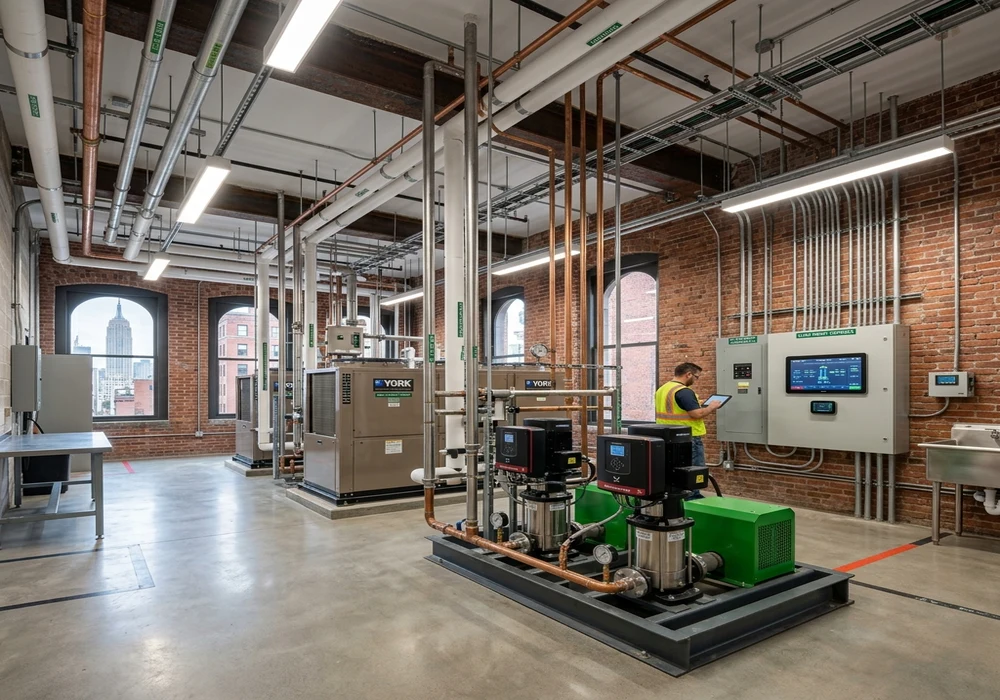
In many historic buildings, the largest energy savings come from upgrading mechanical and electrical systems rather than altering the building's exterior.
Potential improvements include:
- Modern HVAC systems
- High-efficiency boilers
- Smart thermostats
- Building automation systems
- Variable-speed pumps
- Efficient ventilation controls
These upgrades often reduce utility costs without changing the building's historic appearance.
Preserve Original Features Whenever Possible
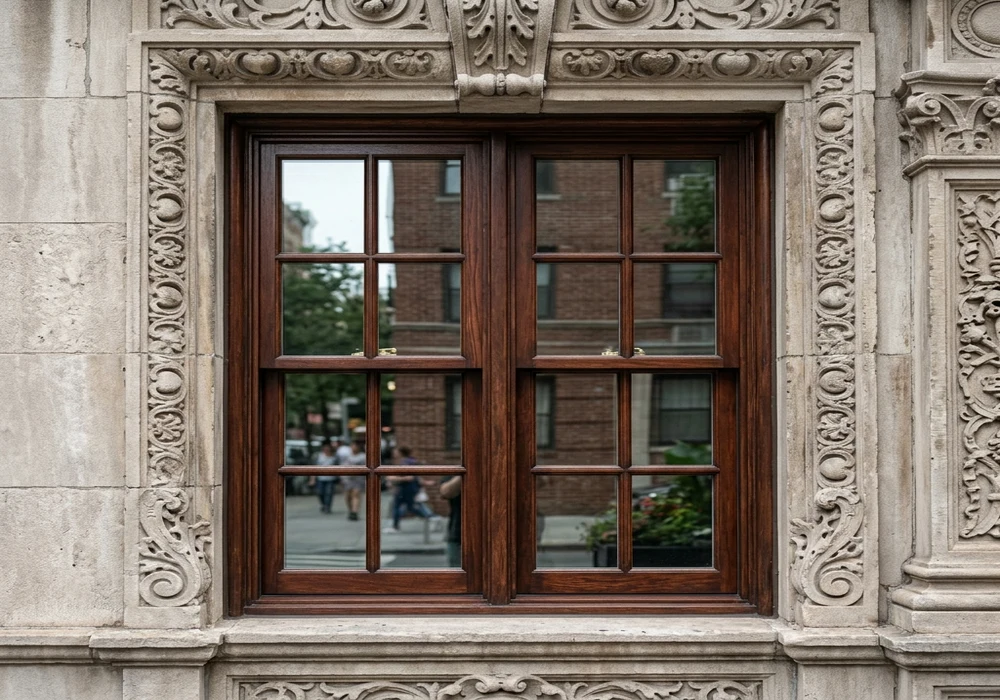
Historic architectural elements contribute to both the building's value and its identity. Whenever practical, owners should preserve:
- Original masonry
- Decorative façades
- Historic windows
- Woodwork
- Architectural trim
- Ornamental details
If repairs are necessary, compatible materials and preservation-sensitive methods often provide the best long-term results.
Landmark Preservation Notice: Exterior alterations on NYC landmarked buildings require prior review and approval from the Landmarks Preservation Commission (LPC). Prioritizing non-invasive mechanical and interior control upgrades allows you to meet energy targets while avoiding costly regulatory delays.
Plan Improvements Early
Energy upgrades are most successful when they are part of a long-term building strategy rather than emergency repairs.
A phased approach allows owners to:
- Budget improvements over time.
- Coordinate projects with planned maintenance.
- Reduce disruption to occupants.
- Prioritize the highest-impact upgrades.
- Extend the life of existing building systems.
Planning ahead also makes it easier to evaluate future compliance requirements.
Benefits of Improving Energy Performance
Improving efficiency can provide several long-term advantages:
- Lower utility costs
- Improved occupant comfort
- Better indoor air quality
- Reduced equipment maintenance
- Longer equipment life
- Increased property value
- Better sustainability performance
Many improvements also enhance overall building operations without affecting historic character.
Preservation & Performance: Improving energy efficiency in historic buildings protects property value, lowers long-term utility costs, and ensures historic architecture remains viable and functional for future generations.
Best Practices for Historic Building Owners
To balance preservation and efficiency:
- Schedule regular building assessments.
- Maintain historic building materials.
- Upgrade mechanical systems before replacing architectural features.
- Monitor energy consumption throughout the year.
- Keep maintenance records organized.
- Consult qualified preservation and building professionals before major renovations.
A careful, well-planned approach often produces the best long-term results.
Conclusion
Historic buildings are an important part of New York City's architectural heritage, and preserving them doesn't have to conflict with improving energy performance. With the right strategy, owners can reduce operating costs, improve occupant comfort, and support modern energy goals while maintaining the unique features that define their property.
By focusing on efficient building systems, thoughtful maintenance, and long-term planning, historic building owners can successfully balance preservation with performance and prepare their properties for the future without losing their historic character.
Frequently Asked Questions
Can a historic building be energy efficient?
Yes. Many historic buildings can improve energy performance through upgrades to HVAC systems, lighting, controls, insulation, and operational improvements while preserving important architectural features.
Do energy upgrades require replacing historic windows?
Not always. Many efficiency improvements focus on building systems rather than replacing original windows or altering historic façades.
Should I perform an energy assessment first?
Yes. An energy assessment helps identify where energy is being lost and which upgrades will provide the greatest benefit.
Can energy improvements reduce operating costs?
Yes. Efficient mechanical systems and better building controls often lower utility bills and reduce long-term maintenance expenses.
Why is planning important for historic buildings?
Planning allows owners to coordinate preservation work with energy improvements, prioritize projects, and budget upgrades over time.
Who should help with energy improvements in a historic building?
Owners should work with qualified engineers, energy consultants, and preservation professionals to ensure upgrades improve efficiency while respecting the building's historic character.
You may also like