BY NYC Energy Code Team
ON 05 Jul 2026
NYC Local Law 152
Illegal Conversion Fines NYC: Why DOB Treats Them as Serious Building Issues
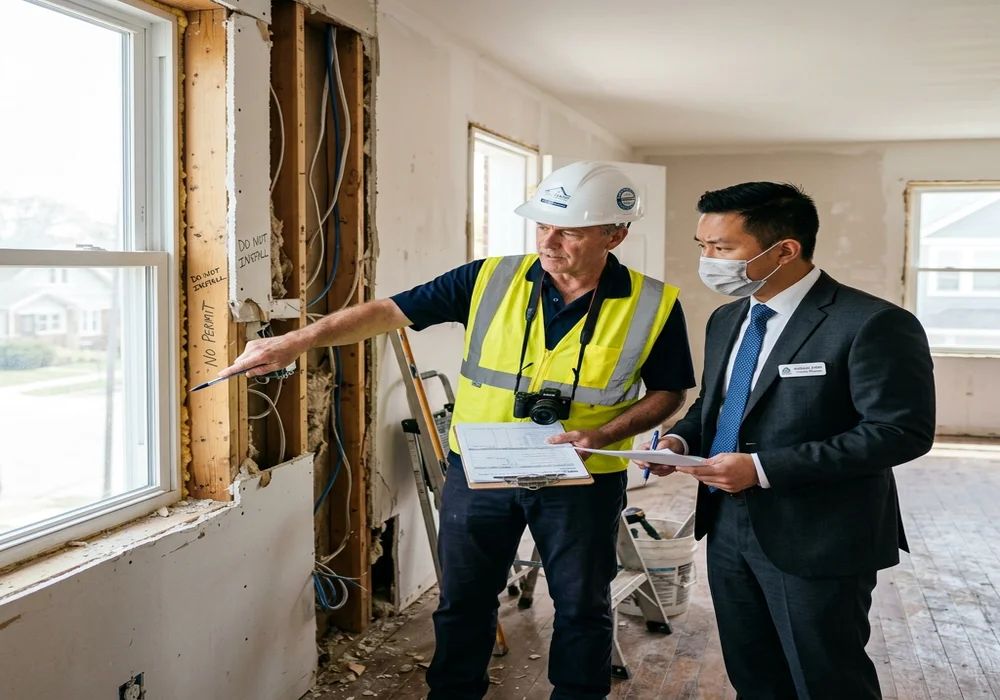
For many New York City property owners, the term illegal conversion sounds like a paperwork issue or an administrative technicality. In reality, the New York City Department of Buildings (DOB) treats illegal conversions as one of the more serious building compliance concerns because they can directly affect occupant safety, emergency response, and the legal use of a property.
An illegal conversion is often much more than adding an extra room or changing a building layout. It can involve creating living spaces that were never approved for residential occupancy, subdividing apartments without proper authorization, changing the legal occupancy of a building, or using areas such as cellars or basements in ways that do not comply with applicable regulations.
Because these conditions can affect fire safety, exits, structural systems, and emergency access, they frequently result in enforcement actions, violations, penalties, and additional compliance requirements.
Understanding illegal conversion fines NYC helps owners recognize the risks early and address potential problems before they become more expensive to resolve.
What Is an Illegal Conversion?
In simple terms, an illegal conversion generally occurs when a building—or part of a building—is used in a manner that has not been legally approved.
The physical layout may appear functional. The space may even be occupied.
However, if the current use differs from the building's approved occupancy or authorized configuration, compliance concerns may arise.
An illegal conversion is not defined solely by whether construction occurred. Sometimes the issue is the way the space is being used rather than the construction itself.
Why DOB Takes Illegal Conversions Seriously
The Department of Buildings focuses on illegal conversions because they can introduce significant life-safety risks.
Buildings are designed and approved for specific occupancy types. When those uses change without proper review, important safety systems may no longer match the way the property is actually being occupied.
Potential concerns include:
- Inadequate emergency exits
- Improper sleeping rooms
- Blocked escape routes
- Fire separation issues
- Overloaded utility systems
- Ventilation concerns
- Emergency responder access
- Occupancy exceeding approved limits
In a densely populated city such as New York, these issues can affect not only building occupants but also neighboring properties and emergency personnel.
Common Examples of Illegal Conversions
Illegal conversions can take many different forms. Some of the most common examples include:
Creating Additional Dwelling Units
A property owner divides one apartment into multiple units without obtaining required approvals.
Basement or Cellar Occupancy
Areas originally intended for storage or building services are rented or occupied as residential living space without legal authorization.
Apartment Subdivision
Interior partitions are added to create additional rental spaces without corresponding approvals or permits.
Occupancy Changes
A building designed for one purpose begins being used for another without completing the required approval process. Examples may include changing portions of a building from commercial to residential use or altering occupancy classifications.
Unauthorized Interior Layout Changes
Major layout modifications may affect means of egress, fire safety, or occupancy even if the exterior of the building remains unchanged.
Why Owners Sometimes Create Illegal Conversions
Illegal conversions do not always begin with an intention to violate building requirements. Common motivations include:
- Creating additional rental income
- Expanding available living space
- Accommodating extended family
- Renovating older buildings
- Responding to housing demand
- Reconfiguring underused areas
Although these goals may appear practical, changes involving occupancy or building use should always be evaluated through the appropriate regulatory process before they are implemented.
The Difference Between Renovation and Illegal Conversion
Not every renovation creates an illegal conversion. Cosmetic improvements such as painting, flooring, cabinetry, or similar upgrades generally differ from changes that affect legal occupancy or the approved use of a building.
Questions become more significant when work involves:
- New dwelling units
- Additional kitchens
- New bathrooms associated with separate occupancy
- Changes to exits
- Alterations affecting occupancy classification
- Structural modifications
- Changes inconsistent with approved plans
Owners should understand the legal status of proposed work before construction begins.
Risks Beyond Financial Penalties
Many owners initially focus on the possibility of fines. While penalties may be significant, they are often only one part of the overall impact.
Illegal conversions may also result in:
- DOB violations
- Stop Work Orders
- Vacate orders
- Tenant disputes
- Insurance complications
- Financing concerns
- Delayed property sales
- Costly corrective work
- Additional professional fees
- Extended compliance timelines
These indirect consequences frequently exceed the original financial penalties.
How Illegal Conversions Affect Property Sales
During a property transaction, buyers commonly conduct due diligence before completing a purchase. They may review Certificate of Occupancy documentation, DOB records, open violations, complaint histories, and permit records.
If the actual building configuration differs from approved records, buyers may request additional information or require corrective action before proceeding. In some cases, lenders may also require clarification regarding the property's legal occupancy.
Why Lenders Pay Attention
Financial institutions evaluate risk before approving financing. Questions surrounding legal occupancy may affect property valuation, lending decisions, closing timelines, insurance requirements, or future resale considerations. Maintaining accurate building records helps reduce uncertainty during financing transactions.
Insurance Considerations
Insurance providers may also review how a property is being used. Differences between documented occupancy and actual occupancy can create questions during underwriting or claims reviews. Owners should ensure that building documentation accurately reflects approved conditions.
What Property Owners Should Review
Before making assumptions about a building's compliance status, owners should compare several important records.
Certificate of Occupancy
The Certificate of Occupancy (CO) identifies the approved legal use and occupancy of the building. It provides one of the most important references when evaluating current building use.
Approved Plans
Review approved architectural and engineering plans to understand the building's authorized configuration.
Building Permits
Previous permits may explain why certain alterations were performed and whether they were properly approved.
DOB Property Records
Reviewing the property's DOB profile helps identify open violations, complaint history, permit details, and building classification.
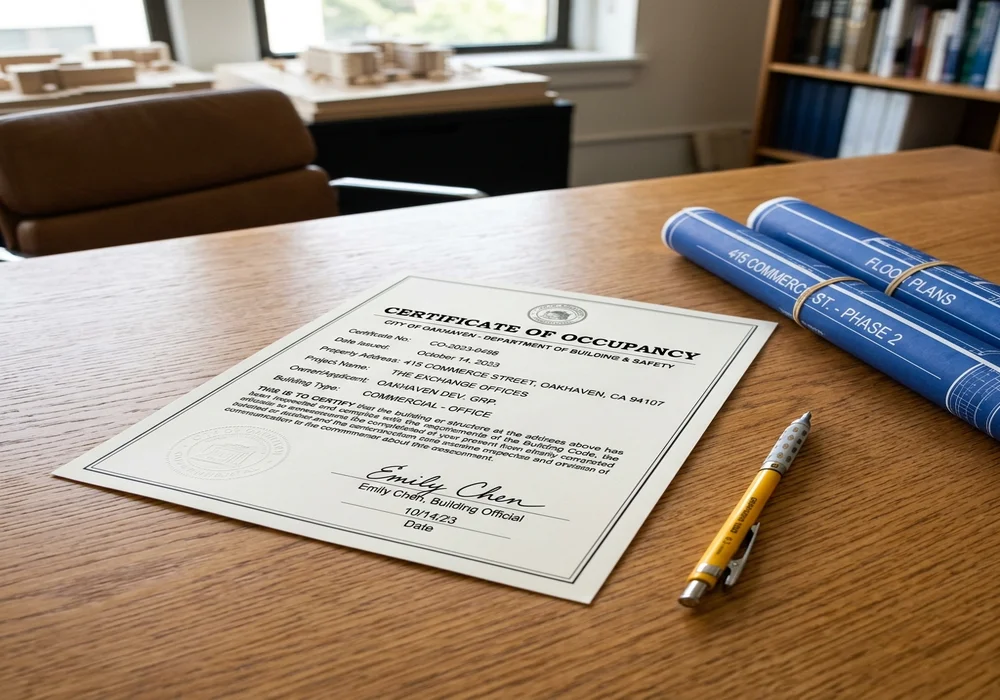
Compare Legal Use With Actual Use
One of the most effective compliance reviews involves comparing two simple questions:
How is the building legally approved to be used?
How is the building actually being used today?
If those answers differ significantly, additional review may be appropriate.
Why Documentation Matters
If compliance questions arise, organized documentation becomes extremely valuable. Owners should retain Certificates of Occupancy, approved plans, permit records, drawings, inspection reports, contractor files, and photos.
What to Do If You Receive a Notice
Receiving a notice regarding an illegal conversion does not necessarily mean owners should make immediate assumptions or promises. Instead:
- Review the notice carefully.
- Gather property records.
- Document the current layout.
- Compare current conditions with approved records.
- Consult qualified professionals before taking corrective action.
Responding methodically is usually more effective than reacting quickly.
Should Owners Try to Hide the Condition?
Attempting to conceal or temporarily alter conditions without understanding the underlying compliance issue can create additional complications. Instead, owners should focus on accurate documentation, professional review, understanding legal occupancy, and determining appropriate corrective actions. Transparency supports a more organized compliance process.
Can Every Illegal Conversion Be Legalized?
Not necessarily. Some conditions may potentially be addressed through appropriate approvals and filings if the building can meet zoning, fire safety, and code requirements. Others may not be eligible due to structural limitations or zoning density. Only qualified professionals can evaluate whether a particular condition is capable of legalization.
Why Early Action Saves Money
The longer an illegal conversion remains unaddressed, the more complicated resolution becomes. Delays may lead to additional violations, tenant disputes, larger documentation requirements, and higher remediation costs.
Best Practices for Property Owners
Owners can reduce compliance risks by:
- Reviewing Certificates of Occupancy regularly.
- Comparing actual occupancy with approved records.
- Obtaining required permits before altering occupancy.
- Maintaining organized documentation.
- Responding promptly to DOB notices.
- Consulting qualified professionals before major changes.
- Monitoring building records periodically.
Illegal Conversion Compliance Checklist
Before making occupancy changes, confirm the following:
- ✔ Certificate of Occupancy reviewed
- ✔ Current occupancy verified
- ✔ Approved plans available
- ✔ Required permits obtained
- ✔ Building records organized
- ✔ Professional review completed
- ✔ DOB notices reviewed
- ✔ Documentation retained
- ✔ Compliance status verified
- ✔ Future records maintained
Conclusion
Understanding illegal conversion fines NYC involves much more than anticipating financial penalties.
Illegal conversions can affect occupant safety, emergency response, insurance, financing, property transactions, and long-term building compliance. Because these issues involve the legal use of a property, the Department of Buildings treats them seriously and may issue violations, enforcement actions, or additional corrective requirements when unauthorized occupancy changes are identified.
Property owners should compare current building use with Certificates of Occupancy, approved plans, permits, and official DOB records before making assumptions about compliance. If questions arise, documenting the existing conditions and consulting qualified design or code professionals is generally the most effective way to determine the appropriate next steps.
The most practical strategy is to address potential occupancy issues early. Resolving questions before they expand into larger enforcement matters is typically less disruptive, less expensive, and easier to manage than responding after significant compliance actions have already been issued.
Frequently Asked Questions
What is an illegal conversion?
An illegal conversion generally involves using a building—or part of a building—in a manner that has not been legally approved. This may include creating additional dwelling units, changing occupancy, or using spaces for residential purposes without appropriate authorization.
Can illegal conversions affect a property sale?
Yes. Buyers and lenders often review Certificates of Occupancy, permit history, violations, and complaint records. Questions regarding legal occupancy may delay transactions or require additional documentation.
Are illegal conversion fines the only concern?
No. In addition to financial penalties, owners may face violations, vacate orders, tenant disputes, insurance questions, financing complications, and corrective construction costs.
Should owners attempt to legalize an illegal conversion?
Owners should first obtain professional guidance. Some conditions may be eligible for legalization through the appropriate approval process, while others may require removal or restoration to the approved configuration.
What documents should owners review?
Owners should compare the Certificate of Occupancy, approved plans, permits, DOB property records, and the building's actual use to identify potential discrepancies.
What is the most important first step after receiving a notice?
Review the notice carefully, gather all relevant building records, document the existing conditions, and consult an appropriately qualified design professional or code consultant before making commitments regarding corrective action.
You may also
like