BY NYC Energy Code Team
ON 27 Jul 2026
LL84 Benchmarking
Local Law Compliance Calendar: Every NYC Deadline Building Owners Should Track

Managing a building in New York City means keeping up with more than maintenance and tenant requests. Owners are also responsible for meeting several Local Law compliance deadlines throughout the year.
Missing a filing date can lead to unnecessary penalties, delayed reports, and added administrative work. That's why having a compliance calendar is one of the simplest ways to stay organized.
This guide highlights the major NYC Local Laws building owners should monitor and explains how to prepare for each one.
Why a Compliance Calendar Matters
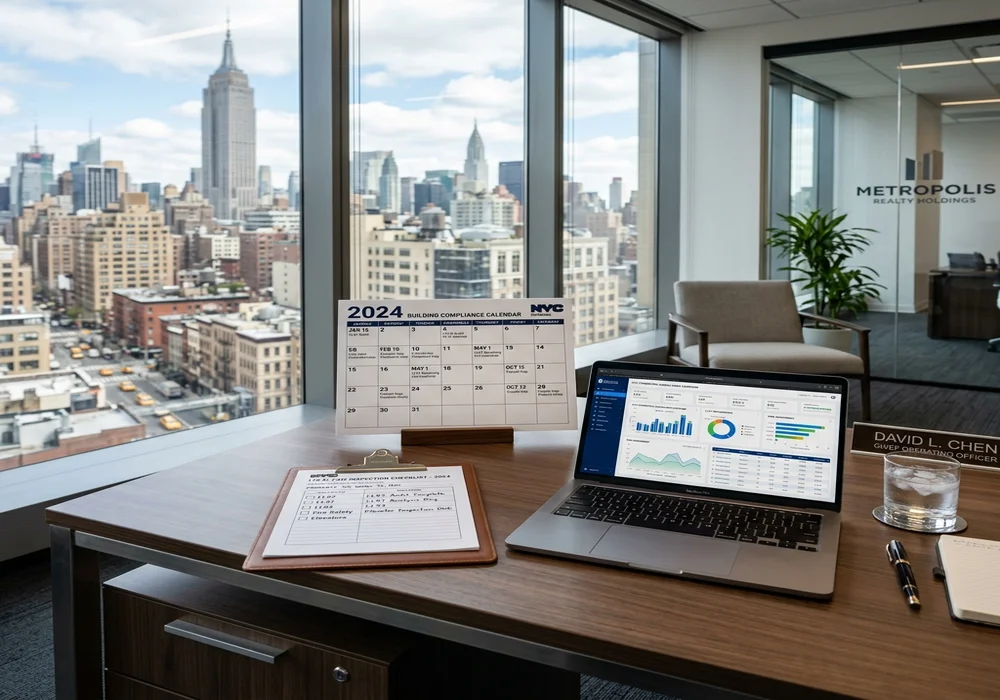
Every Local Law has its own reporting schedule, inspection cycle, or filing requirement. Instead of reacting to deadlines at the last minute, building owners should create a yearly compliance plan.
A compliance calendar helps you:
- Avoid missed deadlines.
- Schedule inspections early.
- Prepare required documentation.
- Budget for energy improvements.
- Reduce compliance-related stress.
Planning ahead also gives you more flexibility if repairs or upgrades are needed.
Important NYC Local Laws to Track
Local Law 84 – Energy Benchmarking
LL84 requires covered buildings to report annual energy and water usage through ENERGY STAR Portfolio Manager.
Keeping utility data updated throughout the year makes annual reporting much easier.
Local Law 87 – Energy Audits
Covered buildings must complete an Energy Audit and Retro-Commissioning approximately every 10 years based on their assigned compliance cycle.
Because audits require planning, owners should begin preparations well before their filing year.
Local Law 95 – Energy Grades
Following annual benchmarking, covered buildings must display their official Energy Efficiency Grade where it is visible to the public.
Maintaining accurate benchmarking data helps ensure the displayed grade reflects actual building performance.
Local Law 97 – Building Emissions
LL97 establishes annual greenhouse gas emissions limits for many large buildings.
Owners should regularly monitor energy consumption throughout the year instead of waiting until reporting deadlines.
Local Law 152 – Gas Piping Inspections
Buildings covered under LL152 generally require gas piping inspections every four years according to their Community District schedule.
Scheduling inspections early allows time to complete any necessary repairs.

Create Your Own Annual Compliance Checklist
A simple yearly checklist can help you stay organized:
- Review upcoming compliance deadlines.
- Update utility and building records.
- Schedule required inspections.
- Monitor energy usage monthly.
- Maintain digital copies of reports.
- Review equipment performance regularly.
- Plan energy-efficiency upgrades before reporting deadlines.
Keeping everything in one place makes future compliance much easier.
Common Compliance Mistakes
Many owners experience compliance problems because they:
- Wait until the last minute.
- Forget recurring inspection cycles.
- Lose important documentation.
- Submit incomplete reports.
- Ignore rising energy consumption.
- Delay recommended building upgrades.
Key Recommendation: A calendar with recurring automated reminders can prevent most compliance issues and protect your building from penalties.
Conclusion
New York City's building regulations continue to evolve, making organization more important than ever. A Local Law compliance calendar helps property owners stay ahead of inspections, reporting deadlines, and energy requirements while reducing the risk of penalties.
By tracking major laws like LL84, LL87, LL95, LL97, and LL152, building owners can create a proactive compliance strategy that protects their investment, improves building performance, and simplifies annual reporting.
Frequently Asked Questions
Why do I need a Local Law compliance calendar?
A compliance calendar helps you track important inspections, reporting deadlines, and filing requirements throughout the year.
Which NYC Local Laws should building owners monitor?
Many owners should monitor LL84, LL87, LL95, LL97, and LL152, depending on their building type and size.
Can a compliance calendar help avoid penalties?
Yes. Tracking deadlines reduces the risk of missed filings, delayed inspections, and compliance violations.
Should I schedule inspections before they're due?
Yes. Early scheduling provides enough time to complete repairs and organize required documentation.
How often should I review my compliance calendar?
Review it regularly throughout the year, especially before major reporting periods or inspection cycles.
What's the best way to stay compliant?
Maintain organized records, monitor building performance year-round, schedule inspections early, and work with qualified professionals when required.
You may also like