BY NYC Energy Code Team
ON 26 Jul 2026
NYC Local Law 152
LL152 Gas Piping Inspections: A Simple Timeline Guide for NYC Building Owners
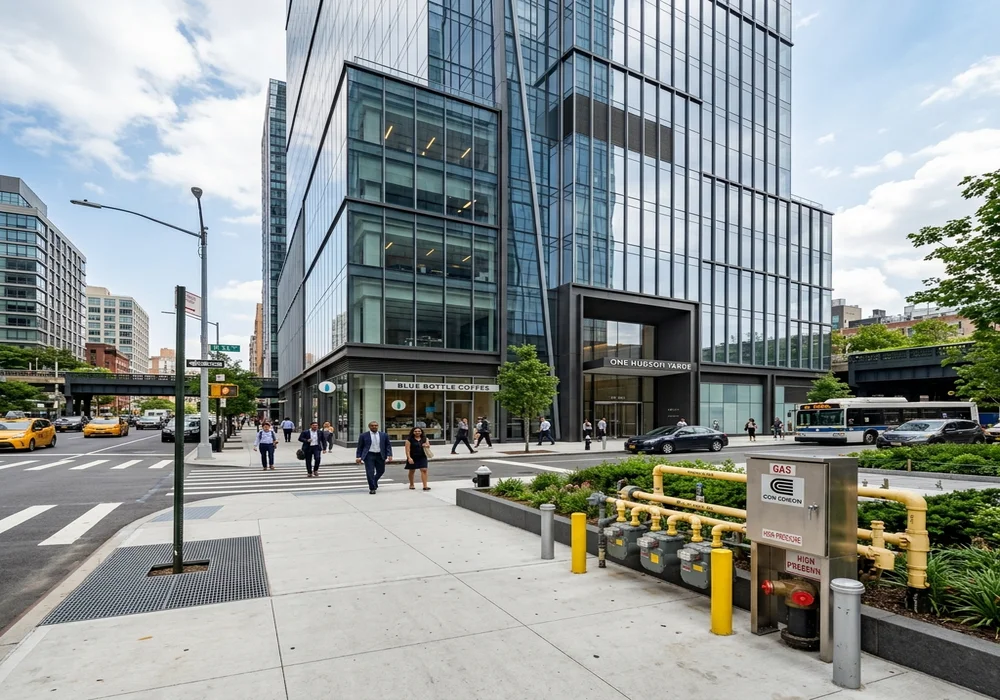
If your New York City building uses natural gas, you've likely heard about Local Law 152 (LL152). One of the biggest questions owners ask is, "When does my building need to be inspected?"
The answer depends on your property's community district, as NYC assigns inspection deadlines based on location rather than building age.
Understanding the LL152 inspection timeline helps building owners stay compliant, schedule inspections early, and avoid unnecessary last-minute stress.
What Is Local Law 152?
Local Law 152 requires many NYC buildings with gas piping systems to undergo periodic inspections performed by a qualified professional.
The purpose is to identify unsafe gas piping conditions before they become serious safety hazards.
During the inspection, licensed inspectors evaluate exposed gas piping and look for signs of leaks, corrosion, deterioration, and other potential issues.
How Often Are Inspections Required?
Most covered buildings must complete a gas piping inspection once every four years.
However, buildings aren't inspected all at the same time.
Instead, NYC divides inspection schedules according to Community Districts, creating a rotating compliance cycle throughout the city.
Knowing your district's assigned year is essential for staying on schedule.
What Happens During the Inspection?
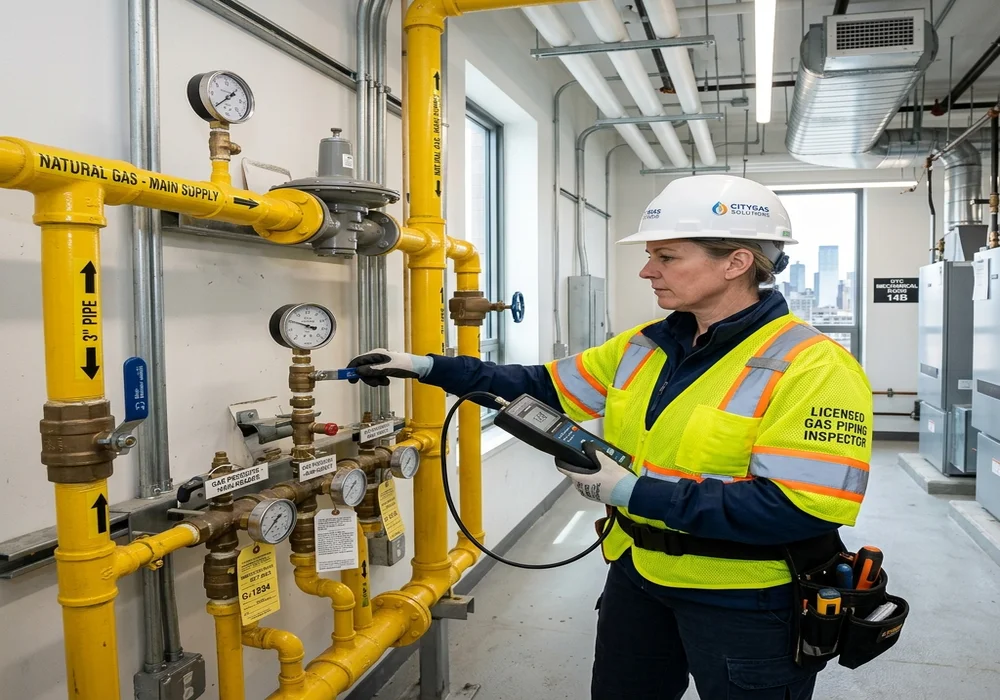
A qualified inspector typically examines:
- Exposed gas piping
- Pipe supports
- Corrosion or rust
- Signs of leaks
- Illegal connections
- Overall condition of the gas piping system
The inspection is primarily visual and is designed to identify safety concerns before they become major problems.
What Happens After the Inspection?
Once the inspection is complete, you'll receive documentation describing the condition of your gas piping system.
If no unsafe conditions are found, you'll maintain records showing your building met the inspection requirement.
If repairs are needed, they should be addressed promptly to maintain compliance and ensure occupant safety.
Why You Should Schedule Early
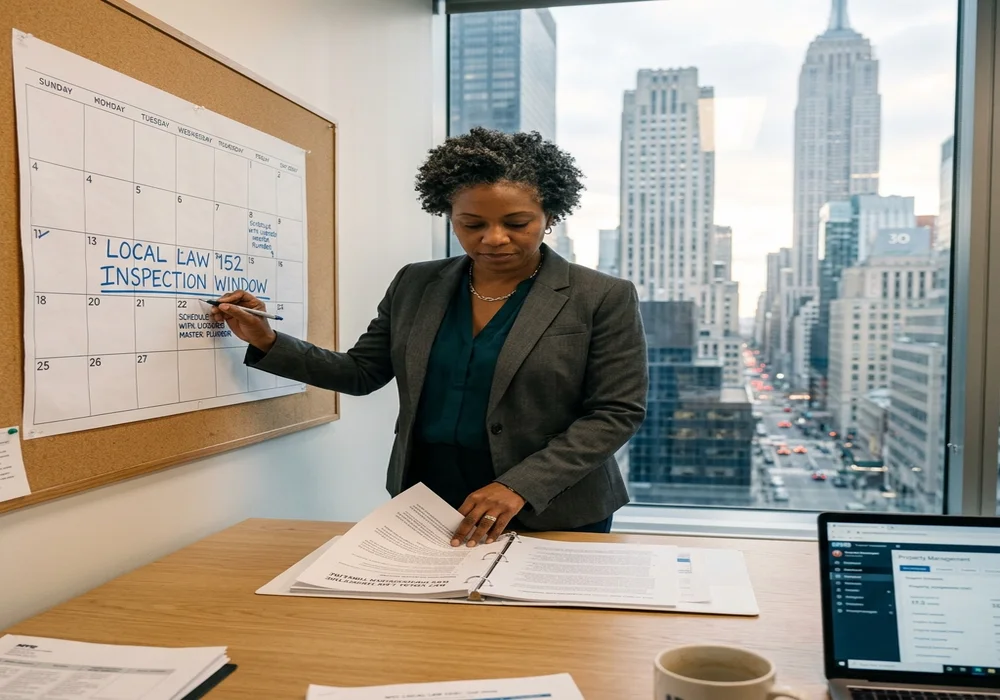
Waiting until your compliance deadline approaches can make scheduling more difficult.
Early inspections provide time to:
- Complete repairs if needed.
- Gather required documentation.
- Avoid scheduling delays.
- Address safety concerns before deadlines.
Planning ahead also helps reduce stress and minimizes disruptions to building operations.
Best Practices for LL152 Compliance
To stay prepared:
- Confirm your Community District inspection year.
- Keep previous inspection reports organized.
- Schedule inspections well before deadlines.
- Maintain accessible gas piping areas.
- Complete recommended repairs promptly.
- Retain copies of all compliance documentation.
Proactive Maintenance: A proactive maintenance program makes future LL152 inspections much easier and avoids costly emergency repairs or violations.
Conclusion
Local Law 152 plays an important role in improving gas safety throughout New York City. By requiring regular gas piping inspections, the law helps identify potential hazards before they lead to costly repairs or dangerous situations.
Building owners who understand their inspection timeline, schedule inspections early, and maintain accurate records can simplify compliance while helping ensure a safer property for tenants and occupants.
Frequently Asked Questions
How often are LL152 gas piping
inspections required?
Most covered buildings require a gas piping inspection every four years.
How is my inspection year
determined?
Inspection schedules are based on your building's NYC Community District.
Who performs the inspection?
Gas piping inspections must be completed by qualified professionals who meet NYC requirements.
What does the inspector examine?
Inspectors review exposed gas piping, pipe supports, corrosion, leaks, and the overall condition of the gas piping system.
What happens if problems are found?
Repairs should be completed promptly, and owners should maintain documentation showing corrective actions were taken.
Why should I schedule my inspection
early?
Scheduling early provides time to complete repairs, organize documentation, and avoid last-minute compliance issues.
You may also
like