BY NYC Energy Code Team
ON 25 Jul 2026
NYC Local Law 97
LL97 Penalties Explained: What Happens If Your Building Doesn't Comply?
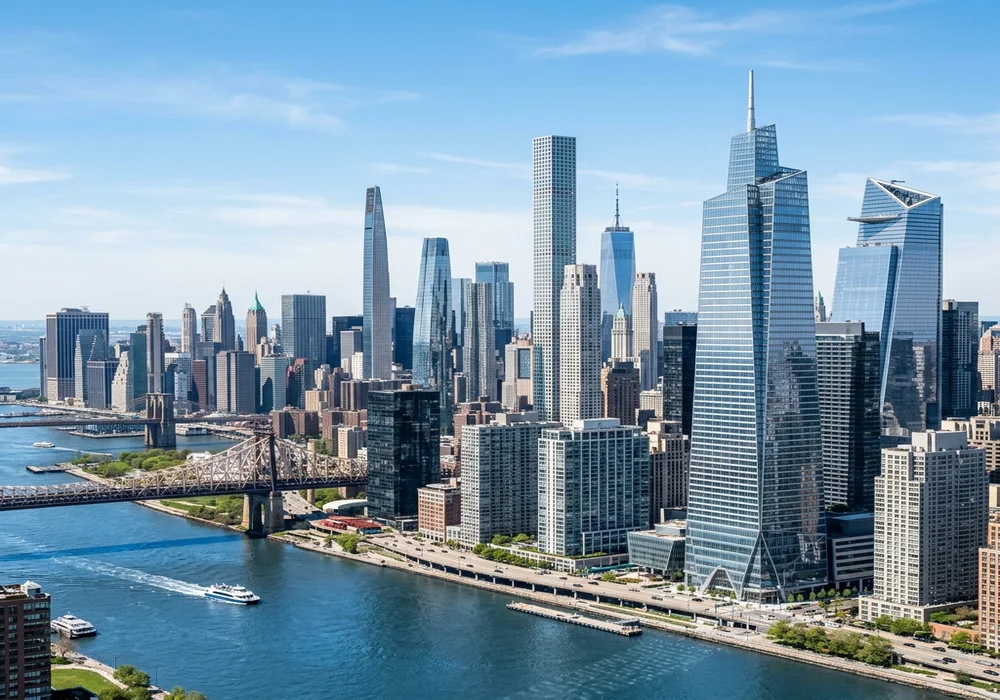
New York City's Local Law 97 (LL97) is one of the most significant building emissions laws in the United States. Its goal is to reduce greenhouse gas emissions from large buildings by setting annual carbon emissions limits.
Many building owners understand the emissions requirements but still ask the same question: What happens if my building doesn't comply?
The answer depends on the type of violation. Failing to meet LL97 requirements can lead to financial penalties, reporting violations, and increased pressure to improve building performance. Understanding these penalties early allows owners to plan upgrades before costs increase.
What Is Local Law 97?
LL97 applies to many large buildings throughout New York City and establishes annual greenhouse gas emissions limits based on building occupancy and size.
Instead of measuring only energy usage, the law focuses on the amount of carbon emissions generated by a building's energy consumption.
Buildings that exceed their emissions limit may face annual penalties.
When Are Penalties Issued?
LL97 penalties generally occur when a covered building:
- Exceeds its annual emissions limit.
- Fails to submit required compliance reports.
- Provides incomplete or inaccurate reporting.
- Misses filing deadlines.
Each violation is evaluated separately, so staying organized throughout the year is essential.
Why Buildings Exceed Their Limits
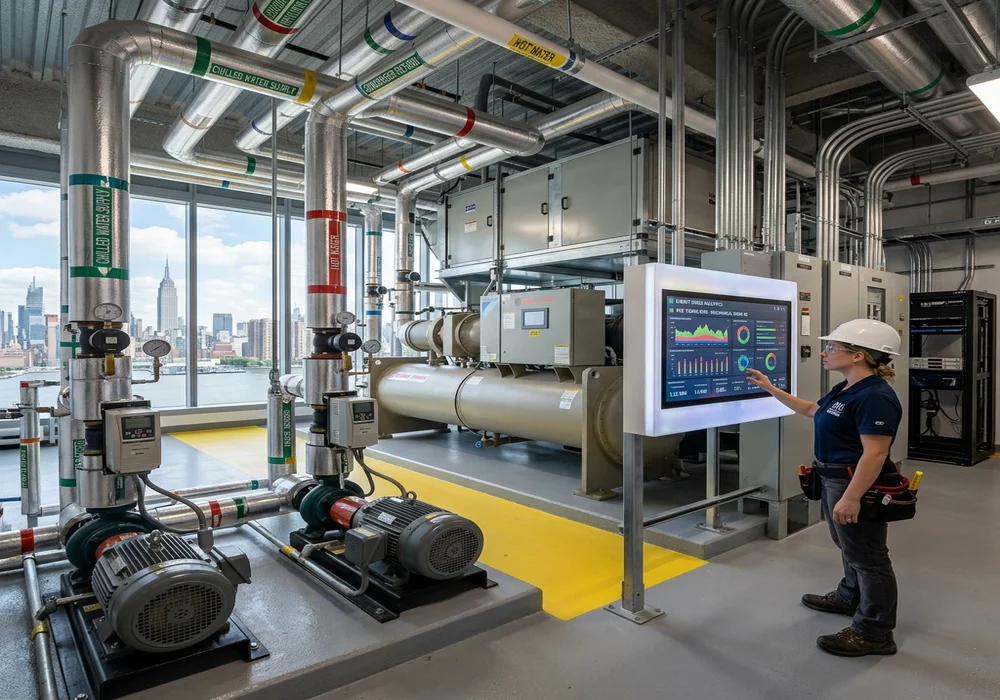
Many buildings exceed emissions limits because of:
- Older HVAC systems
- Inefficient boilers
- High electricity consumption
- Poor insulation
- Outdated lighting
- Aging building controls
As buildings become more energy efficient, carbon emissions generally decrease as well.
How to Avoid LL97 Penalties
The best approach is to plan ahead instead of waiting until reporting deadlines.
Property owners should:
- Monitor annual energy usage.
- Track greenhouse gas emissions.
- Review benchmarking data regularly.
- Upgrade inefficient equipment.
- Improve building controls.
- Work with qualified energy professionals.
Proactive Advice: Early planning often costs significantly less than making emergency equipment upgrades or paying recurring annual non-compliance penalties.
Why Compliance Is Good for Business
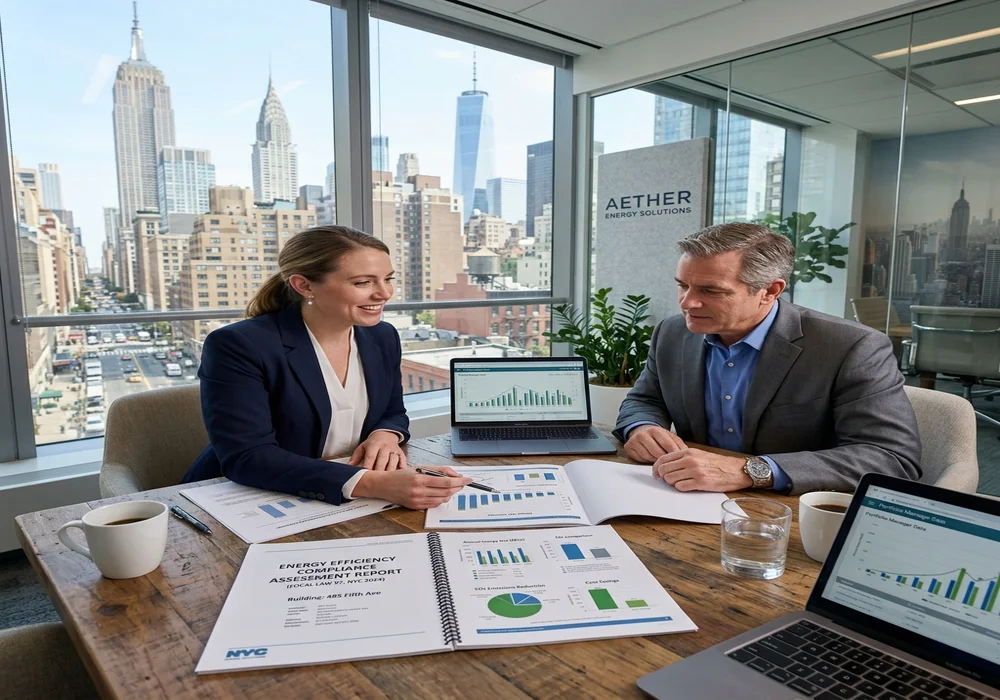
Meeting LL97 requirements offers benefits beyond avoiding penalties.
Efficient buildings often experience:
- Lower utility bills
- Better tenant satisfaction
- Higher property value
- Reduced operating costs
- Improved sustainability performance
Compliance investments frequently deliver long-term financial savings.
Conclusion
LL97 penalties are designed to encourage cleaner, more energy-efficient buildings across New York City. While exceeding emissions limits or missing reporting requirements can result in financial consequences, most compliance challenges can be avoided through early planning, accurate reporting, and strategic energy upgrades.
Rather than viewing LL97 as only a regulatory requirement, building owners should see it as an opportunity to improve efficiency, reduce operating expenses, and prepare for future sustainability standards.
Frequently Asked Questions
What triggers an LL97 penalty?
Penalties may result from exceeding emissions limits, failing to submit required reports, or missing compliance deadlines.
Does every covered building receive
penalties?
No. Buildings that meet emissions limits and reporting requirements generally avoid penalties.
Can energy-efficiency upgrades
reduce penalties?
Yes. Upgrading lighting, HVAC systems, insulation, and building controls can help reduce emissions and improve compliance.
Is LL97 only about reporting?
No. The law focuses on reducing greenhouse gas emissions, not just submitting paperwork.
Why should owners prepare early?
Planning ahead provides time to evaluate building performance, schedule improvements, and avoid last-minute compliance issues.
Can LL97 compliance lower operating
costs?
Yes. Many energy-efficiency improvements reduce utility expenses while supporting long-term building performance.
You may also like