BY NYC Energy Code Team
ON 18 Jul 2026
NYC Local Law 152
LL88 Compliance Report NYC: Why Lighting and Submetering Compliance Still Matters
LL88 Compliance Report NYC: Why Lighting and Submetering Compliance Still Matters
When building owners discuss New York City's sustainability laws, most conversations revolve around Local Law 97, energy benchmarking, or greenhouse gas emissions. As a result, Local Law 88 (LL88) is often overlooked—even though it remains an important compliance requirement for many covered buildings.
Many owners assume that if lighting upgrades were completed years ago, there is nothing more to review. However, physical work alone does not necessarily demonstrate compliance. Proper documentation, required filings, and supporting records are equally important.
Whether you own a commercial office building, a mixed-use property, or another covered building, understanding LL88 compliance report NYC requirements helps ensure your records are complete and available whenever they are needed.
What Is Local Law 88?
Local Law 88 was enacted as part of New York City's Greener, Greater Buildings Plan. The law generally requires certain covered buildings to:
- Upgrade interior lighting systems to meet modern energy efficiency standards.
- Install electrical submeters for qualifying tenant spaces.
- Complete required compliance documentation.
The goal is to improve building efficiency while providing tenants with better information about their individual electricity usage.
Why LL88 Is Often Forgotten
Unlike some other Local Laws that require annual reporting or recurring inspections, LL88 often receives less attention after the required work has been completed.
Owners may focus heavily on:
- Local Law 97 emissions
- Local Law 84 Benchmarking
- Building Energy Grades
- Facade inspections
- Boiler compliance
Meanwhile, LL88 documentation may remain buried in old project files. That can become a problem years later.
Compliance Is More Than Completing the Work
Many owners believe the project ends when electricians finish installing new lighting or submeters. However, compliance also depends on maintaining records that demonstrate:
Required Work Was Completed
Physical upgrades must cover all common areas, tenant spaces, and mechanical locations as mandated by the energy code.
Professional Certifications Were Submitted
Registered Design Professionals (licensed engineers or architects) must review the systems and officially certify compliance.
Applicable Filings Were Accepted
Verification that the Department of Buildings (DOB) has processed, accepted, and registered the compliance report without issues.
Documentation Remains Available
The complete technical compliance documentation must be preserved on-site or digitally and be ready for audits.
Without these records, proving compliance may become difficult during property transactions or regulatory reviews.
Understanding the Lighting Requirements
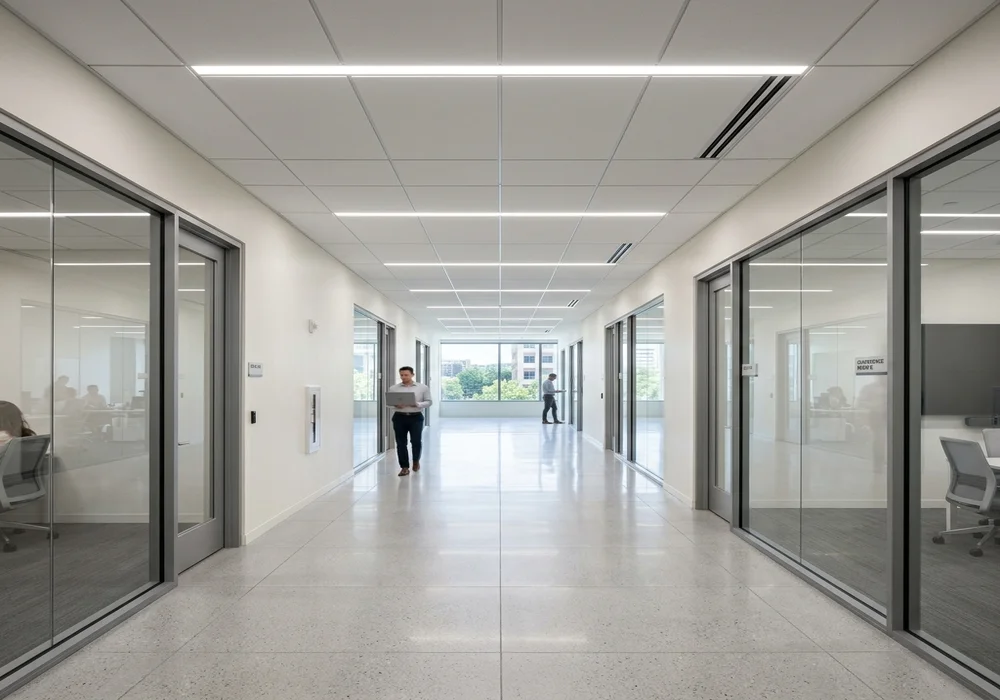
Lighting upgrades are intended to improve building efficiency by replacing outdated lighting systems with equipment that meets current energy standards. Depending on the building, upgrades may include:
- LED lighting
- Energy-efficient fixtures
- Occupancy sensors
- Lighting controls
- Updated switching systems
These improvements often reduce electricity consumption while improving lighting quality.
Understanding Electrical Submetering
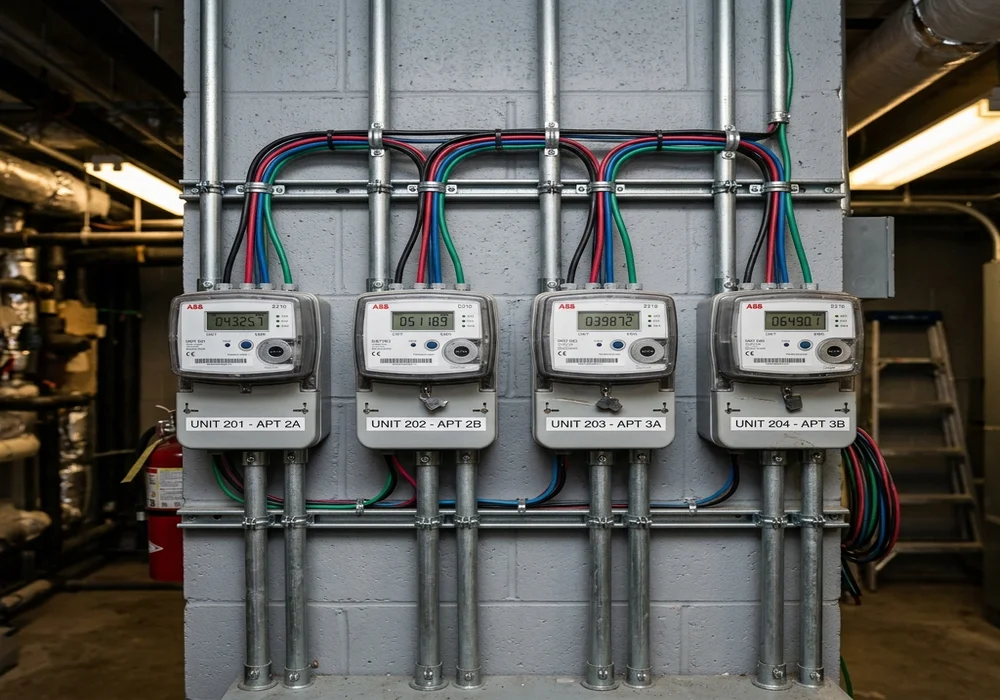
Electrical submeters allow tenants to monitor and pay for their own electricity usage rather than relying entirely on shared building utility costs. Submetering encourages energy awareness, reduced electricity waste, more accurate billing, and greater accountability. For covered properties, owners should verify whether submetering requirements apply.
Why Documentation Matters
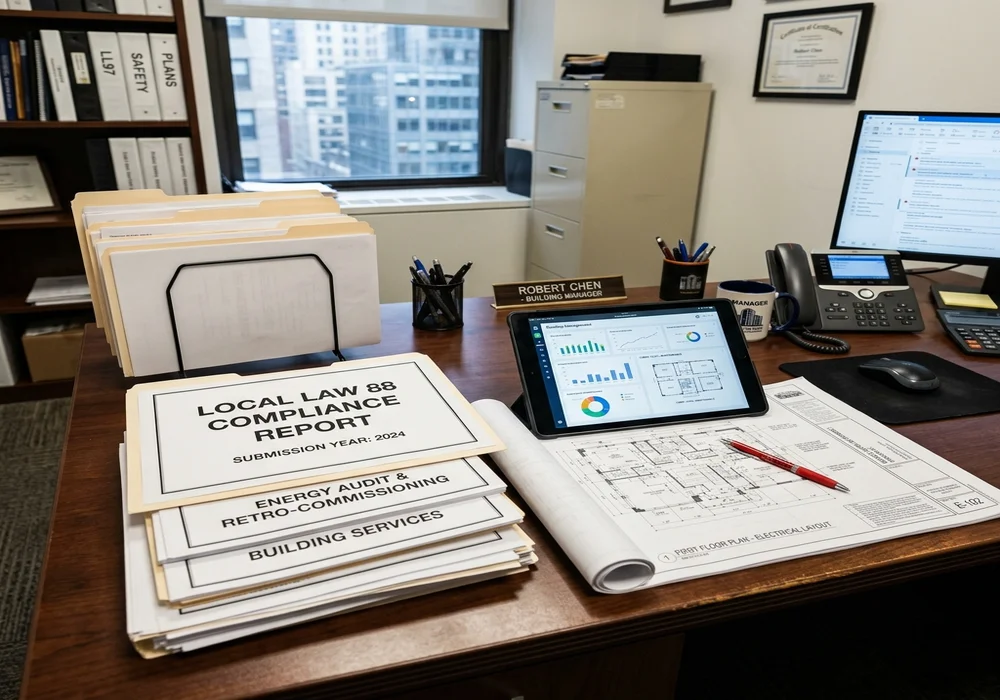
Years after a project is completed, owners may receive requests for proof during property sales, refinancing, building audits, board reviews, or due diligence investigations. Contractor invoices alone are rarely sufficient. Owners should maintain organized compliance records that clearly demonstrate the project's completion.
What Records Should Owners Keep?
A complete LL88 compliance file should include:
- Lighting upgrade documentation
- Electrical submeter installation records
- Professional certifications
- Compliance reports
- Filing confirmations
- Inspection records
- Equipment specifications
- Contractor information
Keeping these records together simplifies future reviews.
Warning: Relying on contractor files is a risk. Contractors go out of business or clean out old records. The building owner is legally responsible for maintaining proof of compliance.
Verify Whether Your Building Was Covered
Not every NYC building falls under LL88. Before reviewing compliance, owners should determine whether the building is covered, which requirements applied, whether exemptions existed, and whether previous owners completed the work. Starting with building eligibility avoids unnecessary confusion.
Review Previous Compliance Reports
Historical documentation often provides valuable information. Owners should review previous compliance filings, engineering reports, electrical upgrades, project completion dates, and building records. Comparing historical information helps identify missing documentation.
Don't Rely Only on Contractor Files
A common mistake occurs when owners assume contractors will always retain project records. Years later, companies may close, employees may leave, files may be lost, or digital records may disappear. Maintaining copies within the building's compliance files provides better long-term protection.
Connect LL88 With Other Energy Laws
LL88 should be viewed as one component of a broader energy compliance strategy. Many covered buildings also manage Local Law 84 Benchmarking, Local Law 87 Energy Audits, Local Law 97 Emissions Reporting, and Building Energy Grades. Keeping these records together creates a more organized compliance system.
Why Buyers and Lenders Review LL88 Records
Property transactions increasingly include reviews of sustainability documentation. Potential buyers may request compliance reports, energy records, upgrade documentation, professional certifications, and building improvement history. Complete records demonstrate organized building management.
Why Property Managers Should Organize Digital Files
Electronic recordkeeping makes future compliance much easier. Store digital copies of compliance reports, lighting plans, equipment specifications, filing confirmations, contractor documentation, and inspection reports. Cloud storage with secure backups provides additional protection.
Common Mistakes Owners Make
Several recurring issues appear during compliance reviews:
- Assuming lighting upgrades alone satisfy the law.
- Losing compliance reports.
- Forgetting filing confirmations.
- Not reviewing previous owner records.
- Storing documents in multiple locations.
- Ignoring submeter documentation.
Most of these problems can be prevented through organized recordkeeping.
Best Practices for LL88 Compliance
Owners should establish a routine for maintaining compliance documentation. Recommended practices include:
- Verify building coverage.
- Organize all project records.
- Save filing confirmations.
- Maintain digital backups.
- Review documentation during annual compliance checks.
- Keep contractor information available.
- Update records after renovations.
LL88 Compliance Checklist
Before considering the project complete, verify the following:
- Building coverage confirmed
- Lighting upgrades completed
- Submeter requirements reviewed
- Professional certifications obtained
- Compliance report retained
- Filing confirmations saved
- Contractor records organized
- Digital backup created
- Previous documentation reviewed
- Compliance calendar updated
Practical Takeaway
Local Law 88 may not receive as much attention as other NYC sustainability laws, but its documentation remains important. Completing lighting upgrades and installing submeters is only part of the process. Owners should also preserve compliance reports, filing confirmations, and supporting documentation so they are available whenever questions arise. Good recordkeeping today prevents unnecessary problems tomorrow.
Conclusion
Understanding LL88 compliance report NYC requirements helps building owners protect both their compliance status and their long-term property records.
While lighting upgrades and electrical submetering may have been completed years ago, maintaining accurate documentation remains essential. Buyers, lenders, boards, consultants, and city agencies may all request proof that the work was performed and properly documented.
By organizing records, reviewing previous filings, maintaining digital backups, and incorporating LL88 into an overall compliance strategy, owners can reduce administrative headaches and demonstrate responsible building management.
Frequently Asked Questions
What is Local Law 88?
Local Law 88 generally requires certain covered NYC buildings to complete lighting upgrades and electrical submetering requirements while maintaining appropriate compliance documentation.
Why is LL88 still important?
Although many buildings have already completed the required work, owners should retain compliance reports and supporting documentation for future reviews and property transactions.
What documents should owners keep?
Maintain lighting upgrade records, submeter installation documentation, compliance reports, filing confirmations, contractor information, and professional certifications.
Does completing the physical work automatically prove compliance?
Not always. Owners should also keep records showing that required filings and documentation were properly completed.
Should LL88 records be stored with other Local Law records?
Yes. Keeping LL84, LL87, LL88, LL97, and related compliance records together makes long-term building management much easier.
What is the biggest mistake owners make?
The most common mistake is assuming contractor invoices alone are sufficient. Owners should maintain complete compliance documentation and filing confirmations for future reference.
You may also like