BY NYC Energy Code Team
ON 19 Jul 2026
NYC Local Law 152
LL97 Penalties in 2026 NYC: The Math Every Building Owner Should Understand
LL97 Penalties in 2026 NYC: The Math Every Building Owner Should Understand
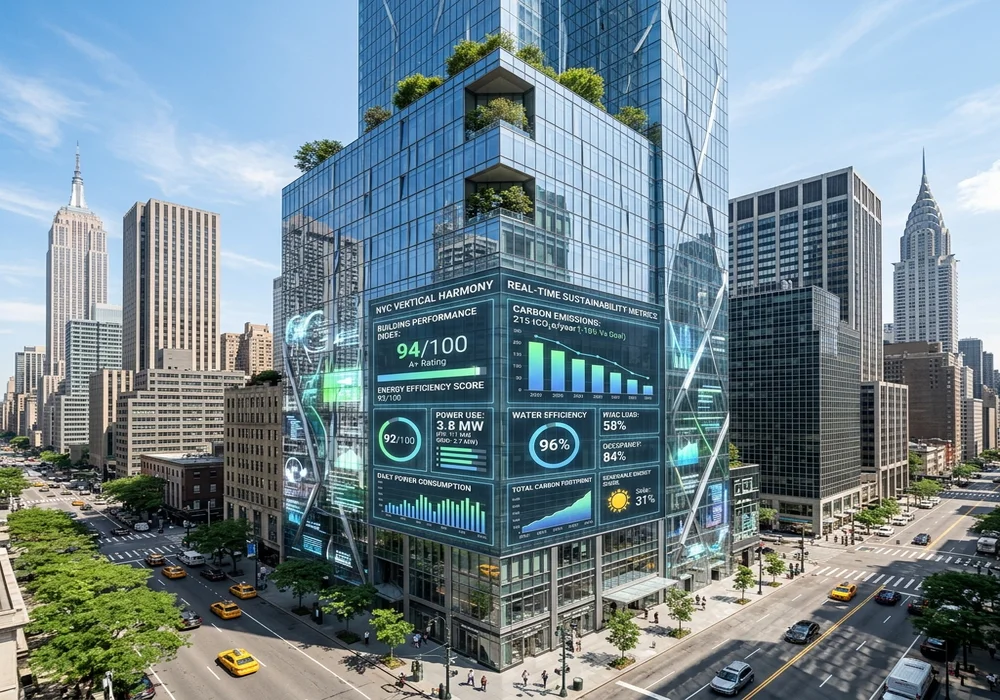
Local Law 97 (LL97) is one of the most significant sustainability laws affecting large buildings in New York City. Unlike many compliance requirements that involve submitting a report or passing an inspection, LL97 directly connects a building's carbon emissions to potential financial penalties.
For many owners, the biggest mistake is assuming LL97 only matters when the annual report is due. In reality, by the time filing season arrives, the building's energy use for that reporting year has already occurred. If emissions exceeded the allowable limit, there is little that can be changed after the fact.
Understanding LL97 penalties 2026 NYC means understanding that compliance is not just about paperwork—it is about managing building performance throughout the entire year.
What Is Local Law 97?
Local Law 97 is part of New York City's Climate Mobilization Act. It establishes greenhouse gas emissions limits for many large buildings throughout the city.
Instead of focusing only on energy efficiency, the law sets maximum allowable carbon emissions based on:
- Building occupancy type
- Gross floor area
- Building classification
Buildings that exceed their allowable emissions limits may face financial penalties.
Why 2026 Matters
The 2026 compliance year represents another annual reporting cycle under LL97.
Owners should understand that:
- Emissions are measured over the operating year.
- Reports are filed after the reporting period.
- Penalties are based on actual building performance.
Waiting until filing season is often too late to influence the previous year's emissions.
LL97 Is Annual Compliance
Unlike Local Law 87, which follows a ten-year cycle, LL97 is an annual responsibility.
Each year owners should review:
Utility Consumption
Review monthly electric, gas, water, and steam consumption to catch spikes and anomalous bills early.
Building Operations
Audit building operations (HVAC, pumps, ventilation schedules) to make sure systems are optimized.
Energy Performance
Assess your Energy Star Portfolio Manager updates and current carbon metrics annually.
Equipment Efficiency
Monitor performance changes in mechanical infrastructure and flag equipment that requires replacement or retrofitting.
Reporting Accuracy
Double check occupied square footage, utility connections, and building categories to guarantee precise reporting math.
Understanding the Two Main Types of Penalties
Most LL97 discussions involve two categories of penalties.
1. Failure to File
Covered buildings must submit required compliance reports on time. Missing a filing deadline can lead to administrative penalties regardless of the building's emissions performance.
2. Exceeding the Emissions Limit
If a building emits more greenhouse gases than its permitted annual limit, penalties may apply based on the amount by which the building exceeds that limit. This is why reducing emissions throughout the year is often more important than focusing only on filing deadlines.
Why Early Tracking Is Critical
One of the biggest misconceptions is that owners only need to review energy data shortly before filing.
In reality, monthly tracking provides valuable insights. Monitoring throughout the year helps identify:
- Rising electricity consumption
- Unexpected natural gas usage
- Equipment operating problems
- Seasonal trends
- Utility billing anomalies
Early detection creates opportunities for corrective action before the reporting year ends.

Utility Data Should Be Reviewed Regularly
Utility information forms the foundation of LL97 reporting. Owners should regularly verify:
- Electricity usage
- Natural gas consumption
- Steam usage
- Fuel oil usage (where applicable)
- District energy consumption
Accurate utility records support reliable emissions calculations.
Building Operations Affect Emissions
Daily building operations have a direct impact on emissions. Small operational improvements can contribute to lower annual emissions, such as:
- HVAC schedules
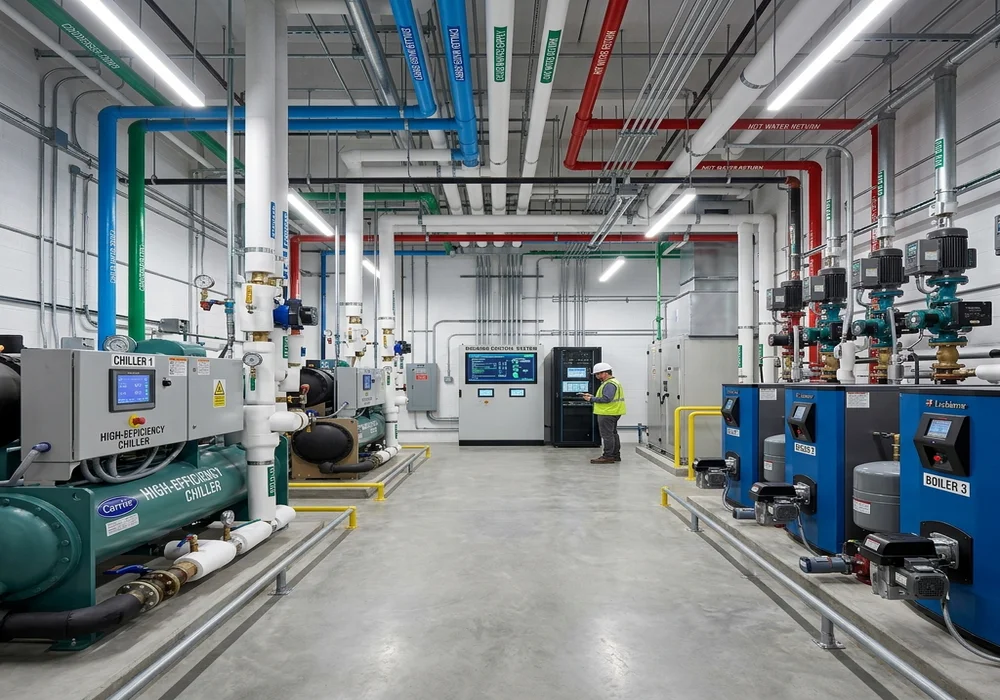
- Boiler efficiency
- Chiller operation
- Ventilation settings
- Lighting controls
Benchmarking Supports LL97
Many buildings already complete Local Law 84 Benchmarking. Benchmarking data helps owners understand historical energy use, annual consumption trends, performance changes, and building efficiency. Reviewing benchmarking reports alongside LL97 planning provides a more complete picture of building performance.
Equipment Upgrades May Reduce Future Penalties
If emissions remain consistently high, owners may evaluate improvements such as:
- High-efficiency HVAC equipment
- LED lighting
- Building automation systems
- Heat pumps
- Better insulation
- Efficient domestic hot water systems
These projects often require planning well before compliance deadlines.
Tenant Spaces Matter Too
Commercial buildings frequently contain tenant-controlled spaces. Owners should review occupancy changes, operating hours, tenant improvements, and space usage assumptions, as changes within tenant spaces may influence overall building energy consumption.
Why Documentation Is Important
Good recordkeeping simplifies annual compliance. Maintain copies of utility bills, benchmarking reports, LL97 submissions, equipment upgrades, maintenance records, and professional calculations to support future reporting and audits.
Important: Keep complete digital and physical backups of all data. Auditors can request historical details up to 6 years after submission.
Common Mistakes Owners Make
Several recurring mistakes increase compliance risk:
- Waiting until filing season.
- Ignoring monthly utility data.
- Assuming penalties depend only on paperwork.
- Forgetting to update occupancy information.
- Losing historical records.
- Delaying energy improvement projects.
Most of these problems can be avoided with consistent monitoring.
Best Practices for LL97 Compliance
Owners should establish an annual compliance routine. Recommended practices include:
- Review utility data monthly.
- Monitor energy trends.
- Verify benchmarking accuracy.
- Keep building information updated.
- Plan efficiency improvements early.
- Save all compliance records.
- Work with qualified professionals when needed.
LL97 Annual Checklist
Before filing each year, confirm the following:
- Building is covered under LL97
- Utility data collected
- Emissions reviewed
- Benchmarking records verified
- Building information updated
- Equipment changes documented
- Supporting records organized
- Filing deadline confirmed
- Compliance calendar updated
- Previous reports retained
Practical Takeaway
Local Law 97 should not be viewed as a once-a-year reporting obligation.
Key Focus: The law measures how a building performs throughout the entire year, making ongoing monitoring essential. By reviewing utility data regularly, tracking emissions trends, maintaining organized records, and planning efficiency improvements early, owners can reduce compliance risks and make informed operational decisions.
Conclusion
Understanding LL97 penalties 2026 NYC begins with recognizing that the law is based on annual building performance—not last-minute paperwork. Owners who monitor energy use throughout the year are in a stronger position to identify potential problems, reduce emissions, and prepare accurate compliance reports.
Instead of waiting for filing season, building owners should treat LL97 as an ongoing operational responsibility. Early planning, reliable data, and proactive building management are the best tools for minimizing penalties and supporting long-term compliance.
Frequently Asked Questions
What is Local Law 97?
Local Law 97 establishes annual greenhouse gas emissions limits for many large buildings in New York City.
How are LL97 penalties determined?
Penalties may apply for failing to submit required reports or for exceeding the building's allowable annual emissions limit.
Why should owners monitor emissions throughout the year?
Because annual emissions are created during day-to-day building operations. Waiting until filing season leaves little opportunity to reduce the previous year's emissions.
What records should owners maintain?
Keep utility bills, benchmarking reports, equipment records, maintenance documentation, LL97 filings, and supporting calculations.
Can equipment upgrades reduce future penalties?
Yes. Improving HVAC systems, lighting, building controls, insulation, and other energy systems may help lower future emissions.
What is the biggest mistake owners make?
The most common mistake is treating LL97 as a filing deadline instead of an ongoing building performance program.
You may also like