BY NYC Energy Code Team
ON 03 Jul 2026
NYC Local Law 152
How to Lift a Stop Work Order in NYC: A Plain-English Guide for Property Owners
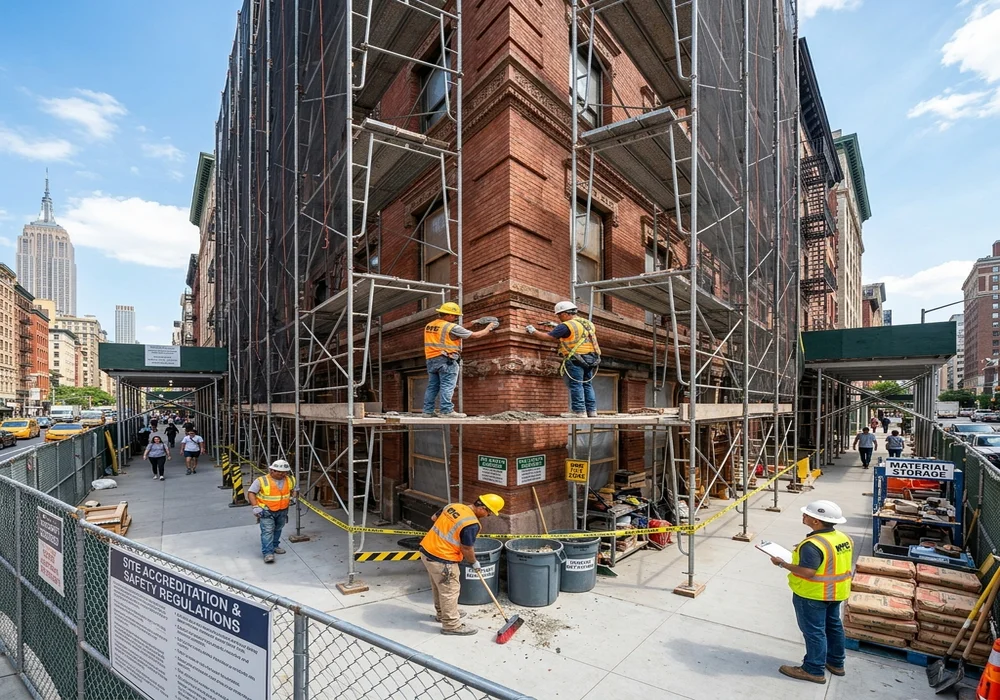
A Stop Work Order (SWO) from the New York City Department of Buildings (DOB) can bring a construction project to an immediate halt. Whether the project involves a commercial renovation, residential alteration, or larger development, receiving a Stop Work Order changes the project's priorities overnight.
Many owners initially believe the solution is simple: make a phone call, explain the situation, pay a fine, and continue working.
In practice, the process is usually more structured than that.
A Stop Work Order is lifted only after the cited issues have been addressed and the Department of Buildings determines that the conditions for rescission have been satisfied. Depending on the reason the order was issued, this may involve corrective work, updated permits, revised filings, inspections, documentation, and formal rescission procedures.
Understanding how to lift stop work order NYC requirements helps owners respond methodically instead of making costly mistakes that can prolong project delays.
What Is a Stop Work Order?
A Stop Work Order is an enforcement action issued by the New York City Department of Buildings directing that construction activity stop until identified issues have been resolved.
The order may apply to:
- An entire construction project
- A specific portion of the work
- Particular construction activities
- Certain areas of the property
Once issued, owners should assume that construction cannot simply continue while paperwork is sorted out.
Instead, the project should shift its focus toward resolving the conditions identified by DOB.
Why Stop Work Orders Are Issued
Stop Work Orders are issued for many different reasons.
Common examples include:
- Work performed without required permits
- Construction outside the approved scope
- Unsafe site conditions
- Missing professional supervision
- Expired permits
- Failure to comply with DOB requirements
- Serious code violations
Each situation follows its own compliance path.
Because every enforcement action is unique, owners should avoid assuming that another project's solution automatically applies to theirs.
Step One: Read the Stop Work Order Carefully
The first step is also the most important.
Read the Stop Work Order completely before taking action.
Many owners focus only on the title of the notice and immediately begin contacting contractors.
Instead, carefully review the information contained in the order.
Key details typically include:
- Property address
- Job number
- Date issued
- Reason for the order
- Conditions cited
- Scope of affected work
- Whether the order is full or partial
- Associated violations, if any
Every corrective action should begin with a clear understanding of what the order actually says.
Understand Whether the Order Is Full or Partial
Not every Stop Work Order affects an entire construction project.
Some orders apply only to:
- Specific floors
- Individual construction activities
- Particular systems
- Certain permit scopes
Others require all construction activity to stop.
Understanding the exact scope helps owners coordinate the project appropriately while avoiding additional violations.
Why Guessing Creates Bigger Problems
Owners sometimes rely on verbal explanations from contractors or site personnel instead of reviewing the official order.
This can lead to misunderstandings.
Examples include:
- Correcting the wrong issue
- Missing required documentation
- Failing to address all cited conditions
- Continuing work where restrictions remain
The written order—not informal conversations—should guide the response.
Step Two: Identify the Root Cause
Every Stop Work Order has an underlying reason.
Examples include:
Missing Permit
Construction began before required approvals were obtained.
Scope Exceeded
Actual work differs from what was approved under the permit.
Unsafe Conditions
DOB identified conditions requiring immediate attention.
Administrative Issues
Documentation, filings, or professional oversight may be incomplete.
Understanding the root cause prevents unnecessary corrective work.
Step Three: Correct the Cited Conditions
The Department of Buildings generally will not rescind a Stop Work Order simply because the owner requests it.
The conditions that triggered the order must first be corrected.
Depending on the project, corrective actions may involve:
- Obtaining the correct permits
- Revising construction plans
- Amending project scope
- Correcting unsafe conditions
- Completing required repairs
- Replacing responsible professionals
- Addressing outstanding violations
Every project is different, so the required corrective work depends on the specific circumstances.
Why Completing the Work Is Only Part of the Process
Owners sometimes focus entirely on correcting physical conditions.
However, documentation is equally important.
DOB generally needs evidence that corrections have been completed.
Without documentation, completed work may not support rescission.
Step Four: Build a Complete Documentation Package
A well-organized documentation package makes the rescission process significantly easier.
Owners should gather:
- Updated permits
- Approved plans
- Inspection reports
- Site photographs
- Professional letters
- Certificates of correction
- Contractor documentation
- Payment receipts
- DOB correspondence
- Supporting records related to corrective work
Clear documentation reduces uncertainty during the review process.
Why Photographs Matter
Photographs often provide useful supporting evidence.
They may help demonstrate:
- Unsafe conditions corrected
- Work completed
- Site secured
- Equipment replaced
- Required repairs finished
Photographs should be dated and organized with other project records whenever possible.
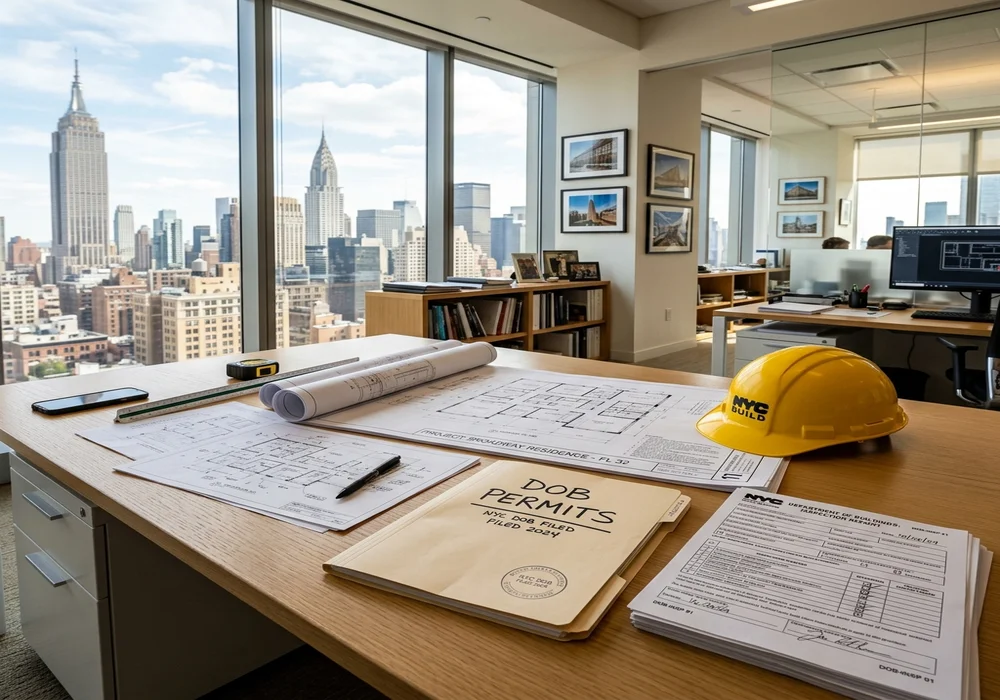
Step Five: Verify All Required Filings
Depending on the circumstances, additional filings may be required before rescission.
Owners should verify that:
- Permit applications have been updated.
- Amendments have been submitted.
- Required certifications are complete.
- Correction documents have been filed.
- Administrative requirements have been satisfied.
Overlooking a single filing can delay the entire process.
Step Six: Determine Whether Reinspection Is Required
Some situations require additional review before work may resume.
Depending on the nature of the Stop Work Order, the project may require:
- Reinspection
- Professional verification
- Administrative review
- Additional documentation
Owners should understand what the specific project requires before expecting construction to restart.
Step Seven: Request Rescission Through the Proper Process
After corrective actions have been completed, the next step is requesting rescission according to the applicable DOB procedures.
The rescission request typically follows—not precedes—the corrective work.
Submitting a request before the project is ready often creates unnecessary delays.
Owners should confirm that all supporting documentation is complete before moving forward.
Why Penalties May Not Be the Final Step
Some Stop Work Orders involve financial penalties.
While paying required penalties may be necessary, payment alone does not automatically remove the Stop Work Order.
Owners should distinguish between:
Financial Requirements
Penalties or fees.
Compliance Requirements
Corrective work, documentation, inspections, and rescission.
Completing only one part may leave the project unresolved.
Step Eight: Track Every Open Issue
Some projects involve multiple violations.
For example:
- Permit issue
- Unsafe condition
- Documentation deficiency
Each issue may require separate attention.
Owners should create a checklist tracking:
- Violations
- Required actions
- Responsible parties
- Completion dates
- Supporting documents
This prevents one unresolved item from delaying the entire project.
Keep the Entire Project Team Aligned
Stop Work Orders often involve several different professionals.
These may include:
- Property owner
- Managing agent
- General contractor
- Architect
- Engineer
- Expeditor
- Construction manager
Problems arise when everyone assumes someone else is handling the response.
Clear communication reduces duplication and missed responsibilities.
Assign One Documentation Manager
One practical strategy is assigning a single individual to manage all compliance documentation.
Responsibilities may include:
- Organizing records
- Tracking deadlines
- Maintaining correspondence
- Saving permits
- Monitoring filings
- Recording inspection results
- Confirming rescission
Centralized recordkeeping improves project coordination.
Confirm Construction Can Resume
One of the most important final steps is confirming that the Stop Work Order has actually been rescinded.
Never assume that verbal approval or contractor updates authorize construction to continue.
Owners should obtain appropriate confirmation that restrictions have been lifted before resuming affected work.
Maintaining written confirmation protects the project if questions arise later.
Documentation to Keep After Rescission
After the matter has been resolved, owners should retain:
- Original Stop Work Order
- Correction documentation
- Updated permits
- Inspection reports
- Rescission confirmation
- Payment receipts
- Professional correspondence
- Site photographs
- Contractor documentation
These records become valuable during future inspections, property transactions, and project reviews.
Common Mistakes That Delay Rescission
Several recurring mistakes extend project delays.
These include:
- Not reading the Stop Work Order carefully.
- Correcting the wrong issue.
- Ignoring required documentation.
- Assuming payment resolves everything.
- Submitting incomplete rescission requests.
- Continuing work prematurely.
- Losing project records.
- Failing to coordinate the project team.
Most of these problems can be prevented through careful organization.
Best Practices for Future Projects
Owners can reduce the likelihood of future Stop Work Orders by:
- Confirming permit requirements before construction.
- Reviewing approved project scope regularly.
- Monitoring contractor compliance.
- Keeping documentation organized.
- Responding promptly to DOB notices.
- Maintaining communication among project professionals.
- Tracking all filings and inspections.
- Reviewing project status throughout construction.
These habits improve both compliance and project management.
A Stop Work Order Resolution Checklist
Before considering the issue resolved, confirm the following:
- ✔ Stop Work Order reviewed
- ✔ Root cause identified
- ✔ Conditions corrected
- ✔ Documentation organized
- ✔ Permits updated
- ✔ Required filings completed
- ✔ Professional certifications obtained
- ✔ Reinspection completed (if required)
- ✔ Rescission requested
- ✔ Confirmation of rescission received
This checklist helps ensure that no important steps are overlooked.
Conclusion
Learning how to lift stop work order NYC requirements begins with understanding that rescission is a structured compliance process—not simply an administrative request.
Property owners should carefully review the Stop Work Order, identify the specific conditions cited, complete all required corrective actions, prepare organized supporting documentation, and follow the appropriate procedures for reinspection or rescission.
Successful resolution depends on more than correcting physical conditions. It also requires accurate paperwork, coordinated communication among project professionals, and verification that the Department of Buildings has officially recognized the completed corrective actions.
By responding methodically instead of reactively, owners can reduce project delays, maintain better compliance records, and improve the overall management of construction projects in New York City.
Frequently Asked Questions
What is the first step to lift a Stop Work Order?
Begin by reading the Stop Work Order carefully. Identify the address, the conditions cited, whether the order is full or partial, and the specific reasons construction was stopped.
Is paying the penalty enough?
Not always. Depending on the circumstances, owners may also need to complete corrective work, submit documentation, update permits, undergo reinspection, or obtain formal rescission before the project can proceed.
What documents should owners prepare?
Owners should organize permits, approved plans, professional letters, inspection reports, certificates of correction, photographs, contractor documentation, payment receipts, and all correspondence related to the Stop Work Order.
Who should coordinate the response?
Successful resolution usually requires coordination between the property owner, managing agent, contractor, architect or engineer, expeditor, and other responsible professionals involved in the project.
Can work resume immediately after corrections are completed?
Generally, no. Owners should confirm that the required process has been completed and that the Stop Work Order has been officially rescinded before resuming affected construction activities.
Why should owners keep rescission records?
Rescission documentation provides proof that the enforcement matter was resolved and may be valuable during future inspections, financing, insurance reviews, property sales, or additional DOB inquiries.
Content Reference:
You may also
like