BY NYC Energy Code Team
ON 01 Jul 2026
NYC Local Law 152
Clear DOB Boiler Violation NYC: A Practical Guide for Building Owners
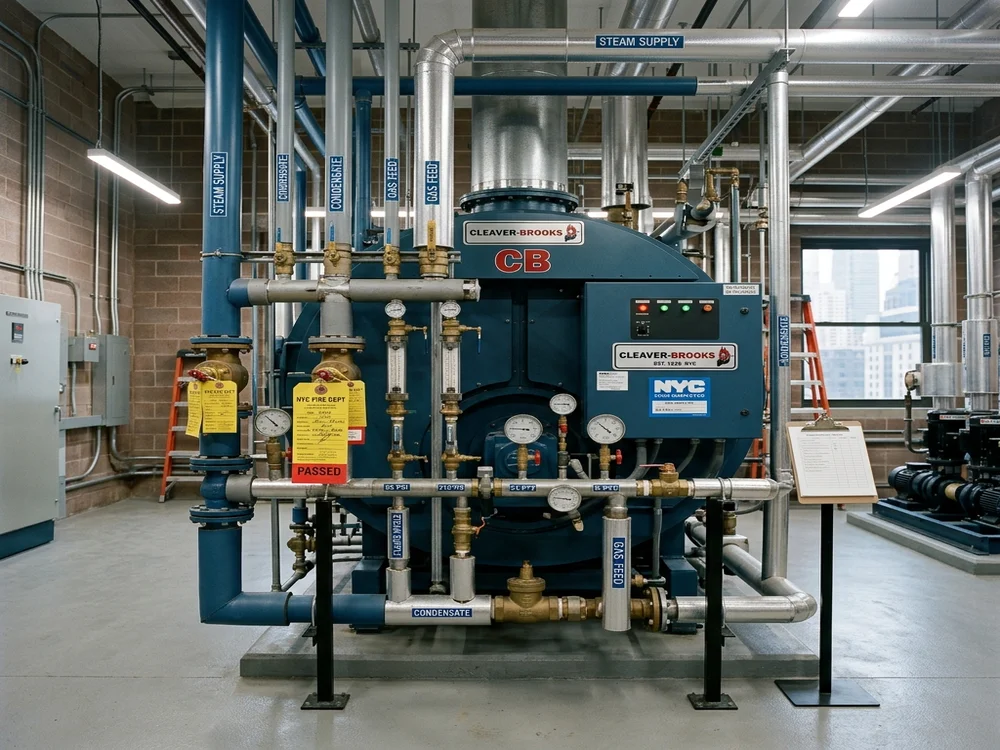
Receiving a boiler violation from the New York City Department of Buildings (DOB) can be stressful, especially for owners who believe they have already completed their annual boiler inspection. Many people assume that resolving the issue is as simple as paying a fine and moving on.
In many cases, that assumption creates even bigger problems.
A boiler violation often involves more than a financial penalty. The violation may relate to missing inspection reports, incomplete correction filings, outdated equipment status, unresolved defects, or administrative paperwork that never reached the Department of Buildings.
Understanding how to clear DOB boiler violation NYC records correctly requires identifying the exact reason for the violation, gathering supporting documentation, completing any required corrective actions, and confirming that the city's records have been updated.
This guide explains the practical steps property owners should take to resolve boiler violations while avoiding common mistakes that can delay compliance.
Why Boiler Violations Occur
Boiler violations are not always caused by unsafe equipment. In many situations, the underlying problem is administrative rather than mechanical.
Common reasons include:
- Missing annual inspection reports
- Late report submissions
- Unresolved defects
- Missing correction documentation
- Failure to update equipment status
- Recordkeeping errors
- Incomplete filings
Because several different situations can result in similar-looking violations, owners should avoid assuming that every boiler violation requires the same solution.
Start by Identifying the Type of Violation
The first and most important step is understanding exactly why the violation was issued. Reading the violation notice carefully provides the foundation for every action that follows.
Questions to ask include:
- Was the annual inspection report filed?
- Was the filing submitted after the deadline?
- Was a required correction never documented?
- Does the violation involve an unresolved defect?
- Is the boiler listed incorrectly in DOB records?
- Has equipment been removed without updating its status?
Each of these situations follows a different compliance path. Attempting to resolve the wrong issue wastes time and may leave the original violation unresolved.
Why Every Violation Is Different
Two boiler violations may appear similar on paper while requiring completely different corrective actions. Understanding the category helps determine the appropriate next step.
Missing Annual Inspection Report
The required inspection documentation may never have been filed with the Department of Buildings, leaving the property listed as non-compliant.
Late Filing
The inspection report exists and was completed, but it was submitted outside the legally required filing period designated by NYC rules.
Uncorrected Defect
The official inspection identified deficiencies that were never subsequently repaired, corrected, or properly certified with the city.
Boiler Removed from Service
The boiler equipment may have been removed, replaced, or permanently disconnected without updating the official DOB database records.
Gather the Building's Boiler Records
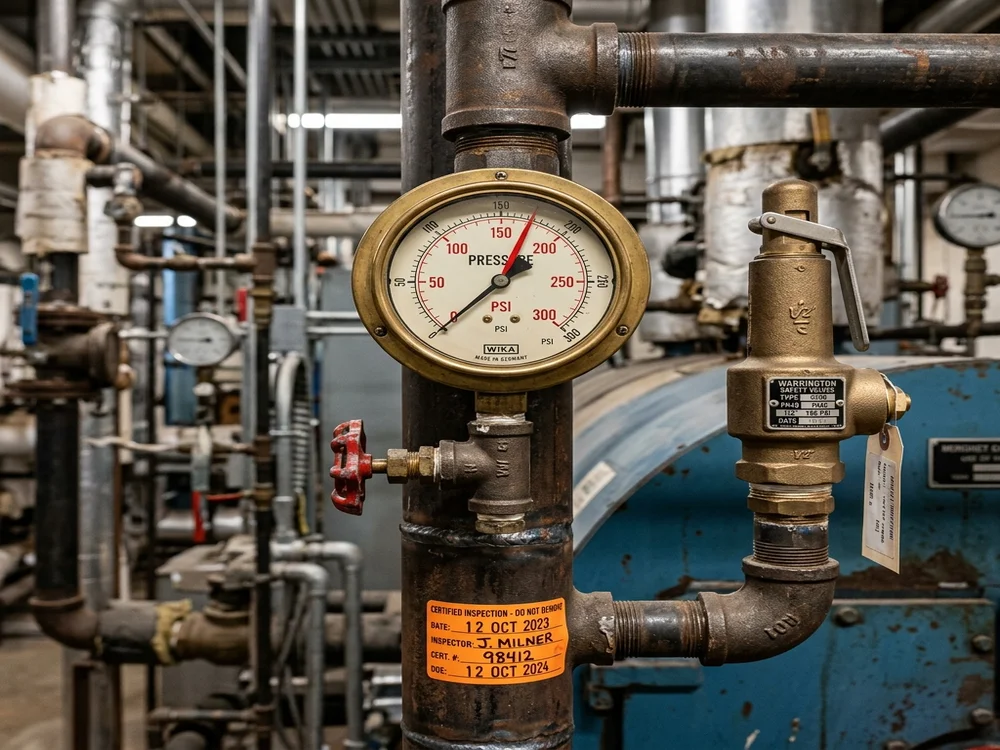
Before contacting contractors or filing additional paperwork, owners should organize every available document related to the boiler. A complete building file often contains the information needed to understand what happened.
Recommended records to locate include:
- Boiler identification number
- Annual inspection reports
- Previous inspection history
- Defect notices
- Repair invoices
- Contractor reports
- Filing confirmations
- DOB correspondence
- Payment receipts
- Equipment replacement records
- Status change documentation
The more complete the file, the easier it becomes to determine what remains outstanding.
Why Record Organization Matters
Boiler compliance often spans multiple years. During that time, property ownership, management companies, contractors, or building engineers may change. Without organized records, owners may struggle to reconstruct the compliance history. A well-maintained boiler file significantly reduces this challenge.
Don't Assume the Previous Manager Completed Everything
Buildings frequently change hands. New owners often inherit existing compliance issues. Before assuming that previous management handled all filings correctly, verify inspection completion, filing confirmation, correction documentation, status updates, and current DOB records. Inherited paperwork problems are common and should be identified early.
Why Paying the Penalty May Not Resolve the Violation
One of the biggest misconceptions is that paying a financial penalty automatically closes a violation. In many situations, payment addresses only one part of the issue. The penalty may be paid, but the missing inspection report, correction documentation, or equipment status updates may still be outstanding. Until all administrative requirements are completed, the violation may continue to appear in city records.
Compliance and Payment Are Different Things
Think of a boiler violation as having two separate components:
Financial Component: This involves any applicable penalties, late fees, or administrative penalties.
Compliance Component: This involves satisfying the documentation, reporting, correction, or filing requirements that caused the violation.
Completing only one of these components will leave the violation active in city databases.
Review Previous Inspection Reports
Inspection reports often contain valuable information. Review them carefully for inspection dates, inspector observations, defects identified, recommendations, required follow-up, and correction deadlines. Sometimes the explanation for the violation already exists within the inspection report.
Understanding Defect Notices
Not every inspection produces a clean report. Some identify conditions requiring correction. Examples may include corrosion, damaged piping, equipment deficiencies, safety concerns, or installation issues. Owners should verify whether repairs were completed, repairs were documented, corrections were certified, and the required filings followed. Missing any of these steps can extend the violation.
Use Qualified Professionals
Boiler inspections, repairs, and compliance filings should be handled by professionals familiar with NYC boiler regulations and DOB procedures. Experienced professionals can help owners interpret violation notices, review inspection history, identify missing documentation, complete required repairs, prepare filings, and verify compliance status. Attempting to resolve technical compliance issues without proper expertise often creates additional delays.
Avoid Guesswork
Owners sometimes attempt to submit new paperwork without understanding why the violation exists. This approach may create duplicate filings, incomplete documentation, or conflicting records. Instead, follow a methodical process: determine the problem, collect supporting records, understand the required corrective action, and complete the appropriate filing.
Confirm That Required Work Has Been Completed
If repairs were necessary, verify work completion, contractor documentation, inspection updates, certification, and supporting invoices. Documentation is often as important as the repair itself.
Verify the Public Record & Save Proof
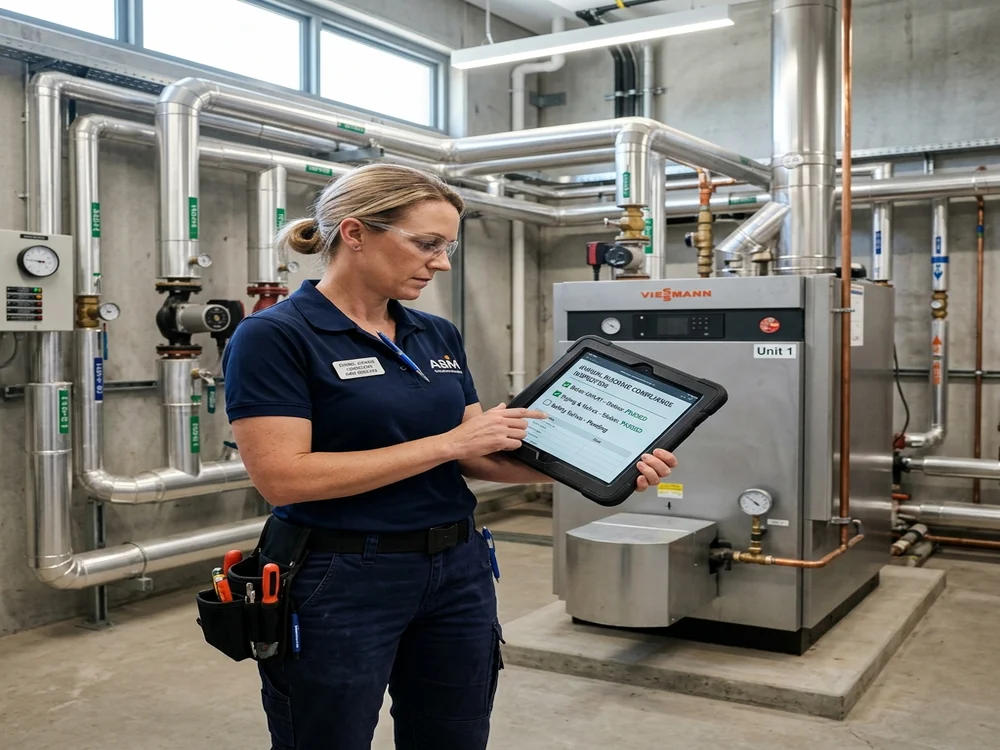
After completing the required steps, owners should verify that the Department of Buildings records reflect the updated status. This final verification is frequently overlooked. Confirming the public record helps ensure that filings were processed, corrections were recorded, status updates appear correctly, and outstanding issues have been removed. Never assume paperwork was processed until verification has been completed.
Save Proof of Resolution
After confirming that the violation has been resolved, save supporting evidence. Examples include filing confirmations, status pages, DOB acknowledgements, digital screenshots, and email confirmations. Maintaining proof provides valuable protection if questions arise later.
Keep Every Compliance Document
Every boiler compliance file should include annual inspection reports, defect notices, repair records, contractor invoices, filing confirmations, payment receipts, equipment documentation, DOB correspondence, and status updates. Future inspections become much easier when complete records are available.
Common Mistakes & Future Best Practices
Property owners sometimes unintentionally extend compliance problems by paying penalties without reviewing the violation, ignoring correction requirements, losing inspection reports, hiring providers unfamiliar with DOB procedures, assuming removed equipment requires no documentation, failing to confirm updated records, or waiting too long before responding. Most of these mistakes can be avoided through better organization.
Best Practices for Future Boiler Compliance
The easiest violation to resolve is the one that never occurs. Owners can reduce future risk by scheduling inspections early, organizing documentation immediately, reviewing inspection reports promptly, completing repairs without unnecessary delay, confirming all filings, monitoring DOB records annually, maintaining digital compliance folders, and keeping contractor contact information. Preventive organization is often less expensive than corrective action.
Why Organized Records Protect Building Owners
Well-maintained compliance files provide long-term value. They simplify future inspections, property sales, insurance reviews, refinancing, ownership transfers, management changes, and DOB inquiries. Good documentation often prevents small administrative issues from becoming major compliance problems.
A Boiler Violation Resolution Checklist
Before considering a violation resolved, confirm the following checklist:
- ✔ Violation type identified
- ✔ Building records reviewed
- ✔ Inspection reports collected
- ✔ Defects addressed
- ✔ Repairs documented
- ✔ Required filings completed
- ✔ Applicable penalties handled
- ✔ Status updates submitted
- ✔ DOB records verified
- ✔ Proof of resolution saved
Completing this checklist helps ensure that both the compliance issue and the administrative record have been addressed.
Conclusion & Frequently Asked Questions
Learning how to clear DOB boiler violation NYC records involves much more than paying a penalty. Property owners should begin by identifying the exact reason for the violation, gathering complete building records, reviewing previous inspections, addressing any required corrections, and ensuring that all documentation has been properly submitted.
The final step—confirming that the Department of Buildings records accurately reflect the completed work—is just as important as the inspection or payment itself. By approaching boiler violations methodically rather than reactively, owners can resolve existing compliance issues while reducing the likelihood of similar problems in future inspection cycles.
Frequently Asked Questions
What is the first step to clear a boiler violation?
The first step is identifying the specific reason for the violation. Review the notice carefully and gather all related building records before taking further action.
Can I simply pay the fine?
Not always. Paying a penalty may satisfy the financial portion of the violation, but additional reports, correction documentation, or status updates may still be required before the compliance issue is fully resolved.
How do I know the violation has been cleared?
After completing any required filings, corrections, or payments, verify the property's DOB records and save proof showing that the violation status has been updated.
What records should owners collect?
Owners should gather inspection reports, boiler identification information, contractor invoices, correction documentation, filing confirmations, payment receipts, and all correspondence related to the violation.
Why should I verify the public record?
Verifying the public record confirms that the Department of Buildings has processed the required documentation and that the violation no longer appears as unresolved.
Should I hire a qualified professional?
Yes. Boiler compliance often involves technical inspections, documentation, and filing requirements. Working with professionals familiar with DOB procedures can help ensure that the correct corrective actions are completed and properly documented.
You may also
like