BY NYC Energy Code Team
ON 17 Jul 2026
NYC Local Law 152
2025 NYC Energy Conservation Code Effective Date: What Building Owners Need to Know

2025 NYC Energy Conservation Code Effective Date: What Building Owners Need to Know
Construction projects in New York City are governed by numerous building regulations, but one of the most important updates for architects, engineers, contractors, and property owners is the 2025 New York City Energy Conservation Code (NYCECC).
The code officially applies to completed job applications filed on or after March 30, 2026. While that date may seem straightforward, it has significant implications for project planning, permit applications, construction documents, and compliance reviews.
Many owners mistakenly believe that if a project started months earlier or was discussed before the new code became effective, the previous code automatically applies. In reality, the determining factor is generally when a complete job application is filed, not when the project idea was created.
Understanding the 2025 NYCECC effective date helps owners avoid unnecessary redesigns, filing delays, and compliance issues.
What Is the NYC Energy Conservation Code?
The NYC Energy Conservation Code establishes minimum energy-efficiency requirements for buildings and construction projects throughout New York City. Its purpose is to reduce energy consumption by establishing standards for:
- Building envelope performance
- Mechanical systems
- HVAC equipment
- Lighting systems
- Service water heating
- Electrical controls
- Energy calculations
- Construction documentation
Every new code update reflects improvements in technology and energy performance standards.
Why the March 30, 2026 Date Is Important
The most important takeaway is that the 2025 NYC Energy Conservation Code applies to completed job applications filed on or after March 30, 2026.
This means that owners cannot simply rely on when design work began, the project was discussed, contractors were hired, financing was approved, or equipment was ordered. Instead, the timing of the completed filing determines which energy code requirements generally apply.
Why Owners Should Plan Early
Many construction projects take months to prepare before permit applications are submitted. During that time, project teams may be working on:
Architectural and Mechanical Designs
Creating layout plans, material specs, HVAC sizing, and window specs matching the current efficiency requirements.
Energy Analysis and Modeling
Running building energy calculations (COMcheck/REScheck or energy models) to verify code compliance.
Permit Documentation and Review
Assembling construction drawings, structural reviews, code statements, and design certifications for submission.
If the filing date crosses into the new code period, portions of the project may need to satisfy updated requirements. Planning ahead minimizes unnecessary revisions.

Who Should Pay Attention to the New Code?
The updated Energy Conservation Code affects many participants involved in construction projects, including property owners, building managers, architects, engineers, contractors, developers, and design consultants. Even owners who are not directly preparing plans should understand which code governs their project.
How the Energy Code Affects Construction Projects
Energy code requirements influence many aspects of building design, including insulation requirements, window performance, HVAC system efficiency, lighting controls, building automation, and ventilation systems. Changes to these requirements may affect both project costs and construction schedules.
Filing Dates Matter More Than Project Discussions
One of the most common misconceptions is that starting design work before March 30 automatically qualifies a project under the previous code. In practice, owners should focus on filing completeness, permit application timing, required documentation, energy analysis, and professional review. Waiting too long to submit a complete application may place the project under the newer code requirements.
Why Complete Applications Are Important
Incomplete filings often create unnecessary delays. Project teams should verify that applications include required plans, energy calculations, supporting documents, professional certifications, and equipment specifications. Submitting a complete package reduces the likelihood of corrections and resubmissions.
Coordination Between Design Professionals
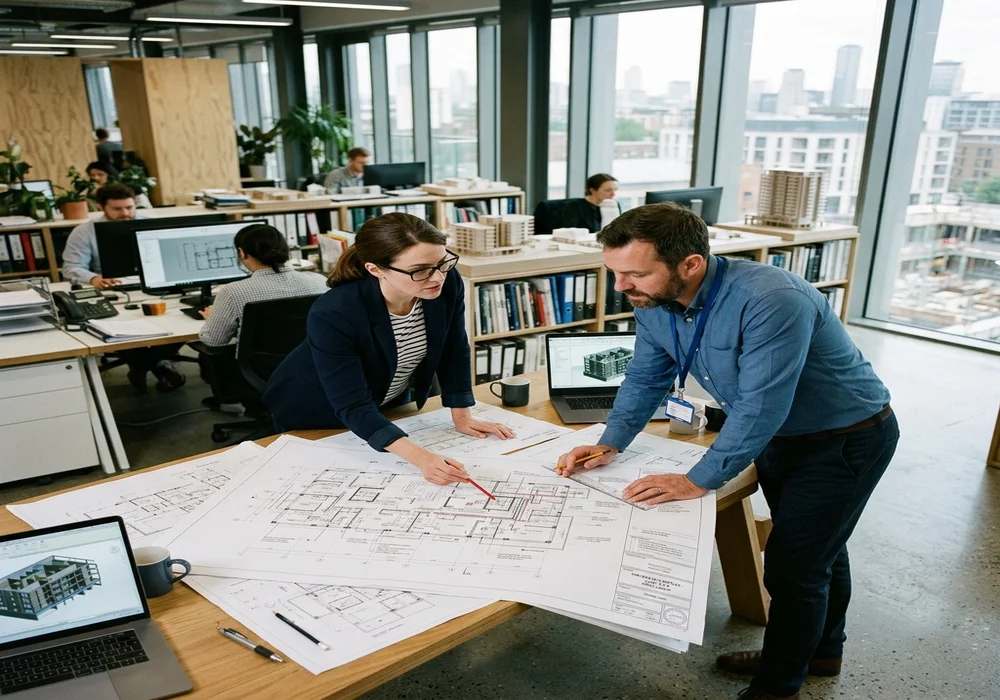
Successful projects require close coordination among architects, mechanical engineers, electrical engineers, energy consultants, and contractors. When everyone understands which Energy Conservation Code applies, design conflicts become less likely.
Project Changes Can Affect Compliance
Construction projects rarely remain unchanged from beginning to end. Owners may later request layout modifications, equipment substitutions, additional tenant improvements, mechanical upgrades, or lighting revisions. Significant changes may require additional review to ensure continued compliance with the applicable energy code.
Important: Major amendments to existing permits filed after March 30, 2026, could trigger retroactive compliance with the 2025 NYCECC for the affected systems. Always consult your Registered Design Professional (RDP) before amending active filings.
Why Early Communication Matters
Owners should ask their design professionals early in the planning process: Which Energy Conservation Code applies? Is the filing complete? Are additional calculations required? Could future project changes affect compliance? These conversations are much easier before permits are issued than during construction.
Common Mistakes Building Owners Make
Several mistakes appear regularly during code transitions:
- Assuming project discussions determine the applicable code.
- Waiting too long to submit permit applications.
- Filing incomplete documentation.
- Ignoring updated energy requirements.
- Making late design changes without review.
- Failing to coordinate consultants.
Most of these issues can be prevented through early planning.
Best Practices for Owners
Property owners can reduce compliance risks by:
- Beginning project planning early.
- Confirming which energy code applies.
- Working with experienced design professionals.
- Reviewing permit schedules carefully.
- Completing applications before filing.
- Maintaining organized project documentation.
- Monitoring design changes throughout construction.
Good planning saves both time and money.
Project Preparation Checklist
Before submitting your project, verify the following:
- Applicable Energy Conservation Code confirmed
- Filing deadline reviewed
- Complete job application prepared
- Energy analysis completed
- Construction documents finalized
- Design team coordinated
- Equipment specifications verified
- Supporting documentation organized
- Project schedule confirmed
- Digital records stored securely
Practical Takeaway
The March 30, 2026 effective date is more than just another deadline—it determines which version of the NYC Energy Conservation Code generally applies to your construction project. Owners who understand the filing timeline, coordinate with their design professionals, and prepare complete applications early are far less likely to experience delays, redesigns, or compliance issues.
Planning ahead is always easier and more cost-effective than correcting problems after plans have been submitted to the Department of Buildings.
Conclusion
The 2025 NYCECC effective date represents an important milestone for construction and renovation projects across New York City. Because the applicable code is generally determined by when a completed job application is filed, owners should pay close attention to project schedules and filing timelines.
Working closely with architects, engineers, and consultants ensures that projects are designed under the correct code from the beginning. Early preparation, complete documentation, and good communication can help prevent costly revisions while keeping projects moving forward smoothly.
Frequently Asked Questions
What is the NYC Energy Conservation Code?
The NYC Energy Conservation Code establishes minimum energy-efficiency requirements for construction and renovation projects throughout New York City.
When does the 2025 Energy Conservation Code apply?
It generally applies to completed job applications filed on or after March 30, 2026.
Does the project start date determine which code applies?
No. The filing date of the completed application is generally the determining factor, not when planning or design work began.
Who should understand the new code?
Property owners, architects, engineers, contractors, developers, and project managers should all understand which code applies to their projects.
Why is early planning important?
Early planning allows project teams to prepare complete applications, coordinate design requirements, and avoid delays caused by code transitions.
What is the biggest mistake owners make?
The most common mistake is assuming that beginning project discussions before the effective date automatically qualifies the project under the previous Energy Conservation Code.
You may also like