BY NYC Energy Code Team
ON 13 Jul 2026
Retaining Wall Inspection NYC: Understanding Cycle 3 and Why Building Owners Should Prepare Early
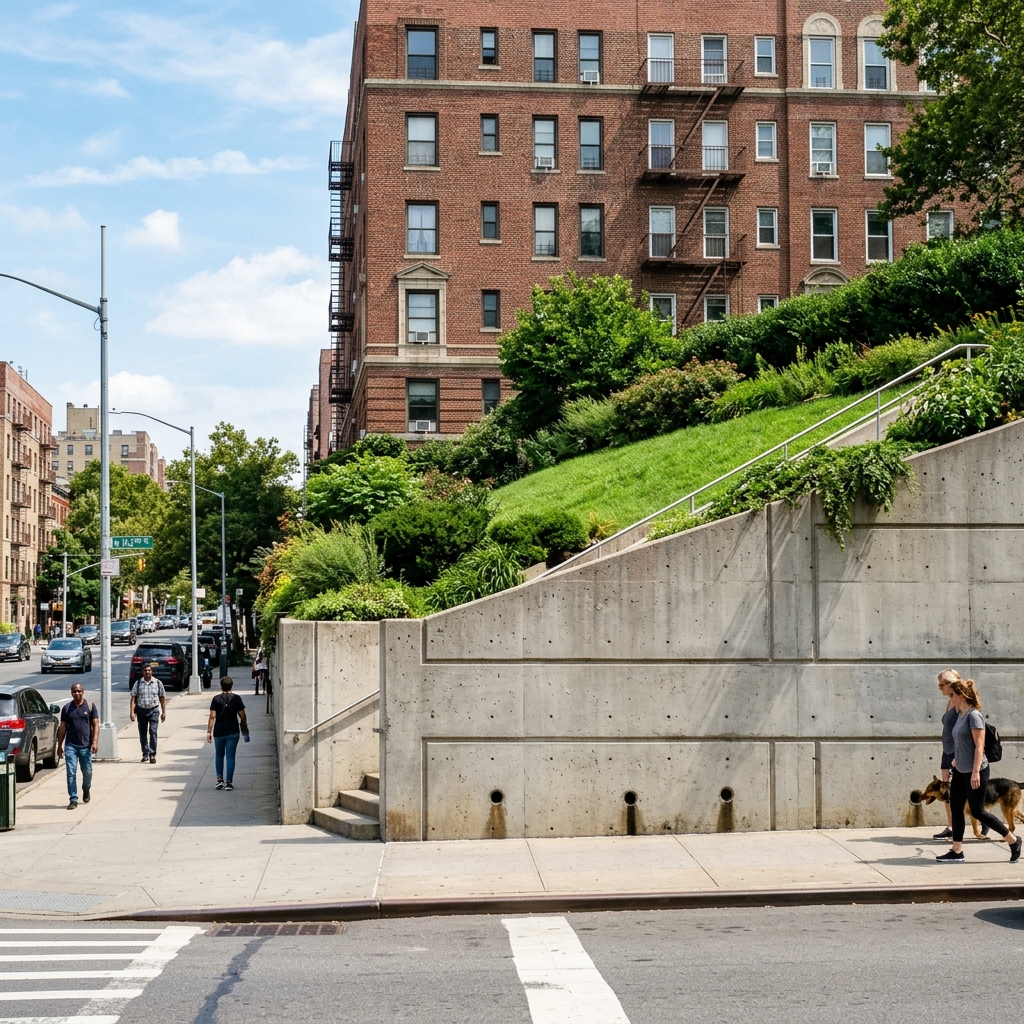
When New York City property owners think about building compliance, retaining walls are rarely the first thing that comes to mind. Most conversations focus on facade inspections, gas piping, boilers, elevators, permits, or Local Law 97 requirements.
Retaining walls often remain unnoticed for years. They quietly support changes in ground elevation, stabilize soil, protect buildings, and help manage site conditions. Because they usually sit behind buildings, along property lines, beside parking areas, or at the edge of sloped lots, they receive far less attention than more visible building components.
That lack of attention is exactly why many owners overlook inspection deadlines until they are already approaching.
New York City requires certain retaining walls to be inspected according to scheduled inspection cycles. These cycles help identify structural deterioration before it creates larger safety or maintenance problems.
Understanding retaining wall inspection NYC requirements allows owners to organize documentation, review previous inspections, plan maintenance, and avoid last-minute compliance issues.
Why Retaining Walls Matter
A retaining wall does much more than separate one level of land from another. Its primary purpose is to resist soil pressure while maintaining differences in elevation.
Without properly functioning retaining walls, soil movement may affect:
- Building foundations
- Parking areas
- Walkways
- Driveways
- Landscaping
- Adjacent structures
- Utility systems
Although retaining walls often receive little public attention, they are important structural components of many properties throughout New York City.
Why They Are Frequently Forgotten
Unlike roofs or facades, retaining walls are often out of sight. Many are located behind buildings, along rear property lines, beside parking structures, adjacent to landscaped areas, or next to sloped terrain.
Owners may pass years without giving them much attention. Unfortunately, deterioration continues whether the wall receives regular inspection or not.
Understanding Retaining Wall Inspection Cycles
New York City organizes retaining wall inspections according to established inspection cycles. These cycles are staggered by borough to distribute inspections across the city rather than requiring every covered wall to be inspected simultaneously.
Because of this scheduling system, owners should verify:
- Whether the retaining wall is covered.
- Which borough schedule applies.
- Which inspection cycle applies.
- When documentation is due.
Inspection timing depends on the property's specific circumstances rather than simply the owner's convenience.
Why Cycle 3 Matters
Retaining Wall Inspection **Cycle 3** represents another scheduled inspection period for covered retaining walls throughout New York City. Owners should not assume that previous compliance automatically satisfies current inspection obligations.
Instead, each inspection cycle provides an opportunity to:
- Evaluate current wall conditions.
- Review previous repairs.
- Monitor deterioration.
- Update maintenance records.
- Plan future work.
Buildings change over time, and retaining walls continue responding to environmental conditions every year.
Which Properties May Be Affected?
Not every property contains a retaining wall that falls within the city's inspection requirements.
Owners should first determine:
- Whether the property contains a covered retaining wall.
- Whether previous retaining wall reports exist.
- Whether inspections have been completed during prior cycles.
- Which borough schedule applies.
Avoid relying solely on assumptions based on neighboring properties or previous ownership.
Why Owners Miss Retaining Wall Deadlines
Several common situations contribute to missed inspections.
Out of Sight, Out of Mind
Retaining walls often receive attention only after visible deterioration appears.
Property Management Changes
Ownership and management teams frequently change over time. Historical compliance records may not transfer completely.
Missing Documentation
Previous inspection reports are sometimes misplaced, making it difficult to reconstruct the property's inspection history.
Assuming the Wall Is Fine
Because many retaining walls continue functioning for decades, owners sometimes believe inspections are unnecessary until obvious damage appears. Unfortunately, deterioration may begin long before dramatic visual changes become noticeable.
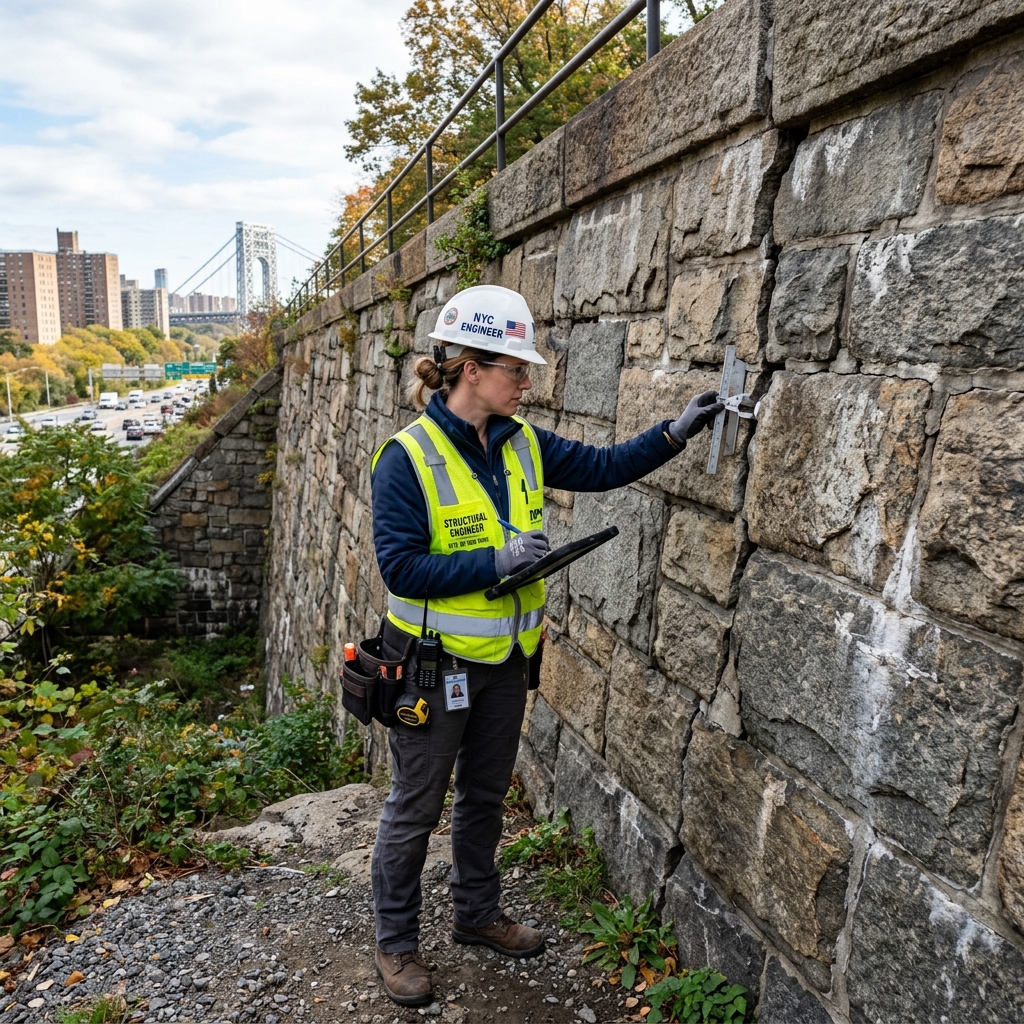
What Causes Retaining Wall Deterioration?
Retaining walls experience continuous environmental stress. Some of the most common contributing factors include:
Water Pressure
Poor drainage allows water to accumulate behind the wall, increasing pressure against the structure.
Soil Movement
Natural settlement and seasonal expansion may gradually affect structural stability.
Freeze-Thaw Cycles
Water entering small cracks expands during freezing temperatures and can gradually enlarge damaged areas.
Aging Materials
Concrete, masonry, stone, steel, and other construction materials naturally deteriorate over time.
Previous Repairs
Older repairs may temporarily improve appearance without fully addressing underlying structural concerns. Regular inspections help identify these issues before they become larger maintenance projects.
Why Drainage Is So Important
Many retaining wall problems begin with water rather than structural failure.
Poor drainage may contribute to:
- Increased soil pressure
- Material deterioration
- Cracking
- Displacement
- Surface staining
- Reduced wall performance
Owners should include drainage information when reviewing wall conditions.
What Owners Should Review Before an Inspection
Preparation improves both inspection efficiency and long-term recordkeeping. Gather the following documentation:
- Site surveys
- Previous retaining wall reports
- Repair history
- Maintenance records
- Drainage documentation
- Building plans
- Engineering evaluations
- Contractor records
- Property photographs
- DOB correspondence
Organized documentation helps professionals understand the wall's maintenance history.
Why Historical Records Matter
Previous reports often identify areas previously repaired, recurring deterioration, monitoring recommendations, drainage concerns, and structural observations. Reviewing earlier inspections helps professionals determine whether conditions have improved, remained stable, or worsened.
Visible Warning Signs Owners Should Never Ignore
Owners should periodically observe retaining walls for signs of deterioration. Conditions that deserve professional evaluation include:
Cracking
Visible cracks may indicate movement or material deterioration.
Bulging
Walls that begin moving outward may require further investigation.
Leaning
A wall that no longer appears vertical may indicate structural movement.
Water Staining
Persistent moisture marks often suggest drainage concerns.
Loose Materials
Falling or displaced masonry, concrete, or stone should be reviewed promptly.
Surface Displacement
Changes in alignment or settlement may indicate developing structural issues. These observations do not automatically mean the wall is unsafe, but they justify professional evaluation.
Why Waiting Can Increase Repair Costs
Small maintenance issues often become larger construction projects when left unresolved. Delays may lead to additional deterioration, more extensive repairs, greater engineering involvement, increased contractor costs, and longer project schedules. Early maintenance generally provides greater flexibility.
Why Owners Should Budget Before Deadlines
One common mistake is budgeting only for the inspection itself. Inspection findings may recommend drainage improvements, concrete repairs, masonry restoration, soil stabilization, waterproofing, or structural reinforcement. Planning financially before inspection deadlines reduces pressure if repairs become necessary.
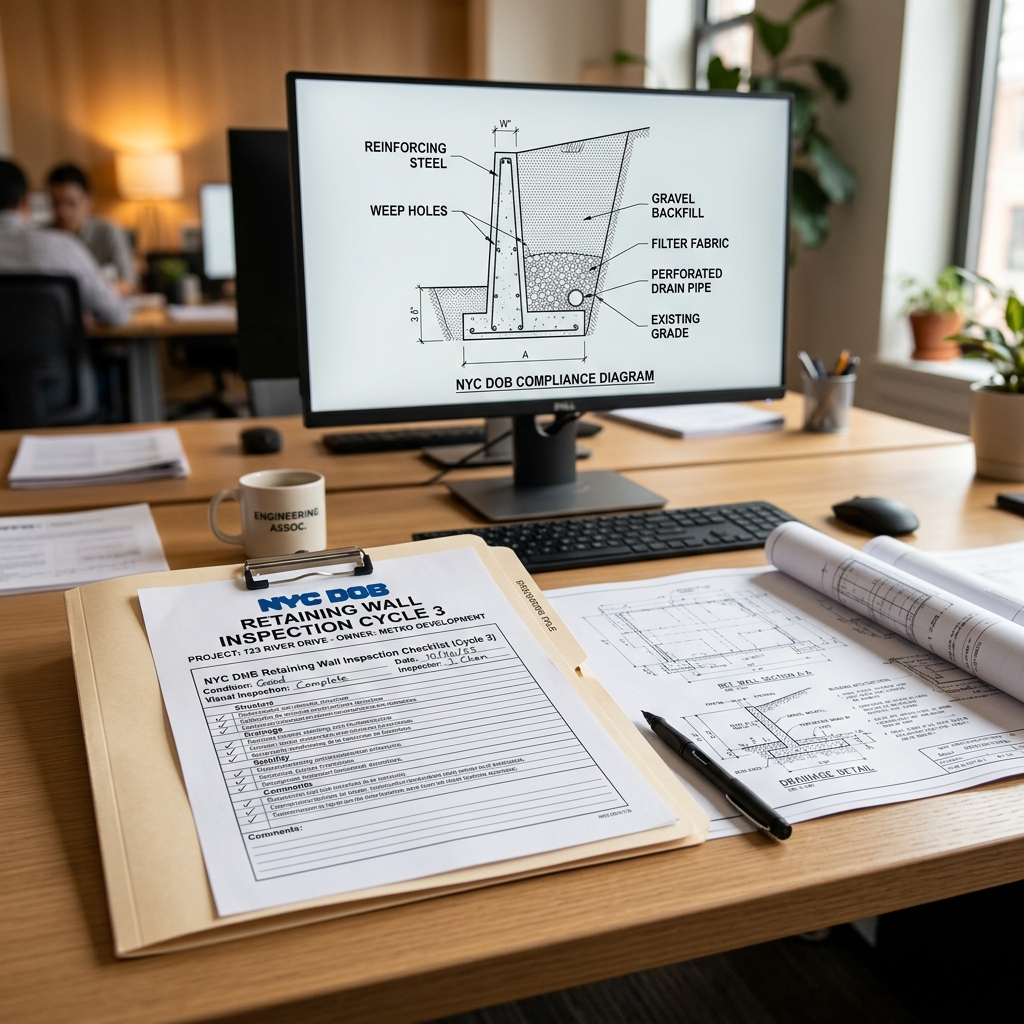
Organizing a Retaining Wall Compliance File
Every covered retaining wall should have its own documentation file. Include inspection reports, engineering evaluations, repair history, contractor documentation, drainage maintenance records, photographs, correspondence, filing confirmations, and site plans. Maintaining organized records simplifies future inspection cycles.
Portfolio Owners Should Track Retaining Walls
Owners managing multiple buildings should include retaining walls within their centralized compliance system.
Suggested tracking fields include:
| Field | Purpose |
|---|---|
| Property Address | Property identification |
| Borough | Cycle determination |
| Retaining Wall Location | Site reference |
| Inspection Cycle | Compliance planning |
| Previous Report | Historical record |
| Current Status | Maintenance tracking |
| Repair History | Asset management |
| Filing Confirmation | Documentation |
| Next Due Date | Future scheduling |
Structured tracking reduces missed inspections across multiple properties.
Why Retaining Walls Affect Property Value
Although retaining walls receive little attention during everyday operations, they often become important during property sales, refinancing, insurance reviews, engineering evaluations, and development planning. Organized inspection records demonstrate responsible long-term property management.
Common Mistakes Property Owners Make
Recurring mistakes include:
- Forgetting the wall exists.
- Waiting until inspection deadlines.
- Losing previous reports.
- Ignoring drainage issues.
- Assuming cosmetic repairs solved structural concerns.
- Failing to document maintenance.
- Waiting for visible failure before seeking professional advice.
Most of these issues are preventable through routine inspections and organized records.
Best Practices for Retaining Wall Compliance
Owners can improve long-term compliance by:
- Confirming whether the wall is covered.
- Identifying the applicable inspection cycle.
- Reviewing previous reports.
- Monitoring visible conditions.
- Maintaining drainage systems.
- Organizing engineering documentation.
- Budgeting for maintenance.
- Scheduling inspections early.
Consistent attention often prevents larger structural problems later.
Retaining Wall Inspection Checklist
Before the current cycle advances, confirm the following:
- ✔ Covered retaining wall identified
- ✔ Applicable borough schedule confirmed
- ✔ Inspection cycle verified
- ✔ Previous reports reviewed
- ✔ Site survey available
- ✔ Drainage records organized
- ✔ Visible wall conditions documented
- ✔ Engineering records collected
- ✔ Maintenance budget reviewed
- ✔ Compliance file updated
This checklist helps owners prepare for inspections while maintaining better long-term records.
Practical Takeaway
Retaining walls are one of the easiest building components to overlook because they usually sit outside everyday operations. However, they continue resisting soil pressure, water, and environmental forces every day. Owners should not wait until visible structural movement appears before reviewing wall conditions. Identifying covered retaining walls early, understanding the applicable inspection cycle, organizing historical records, monitoring drainage, and scheduling inspections well before deadlines provide the best opportunity to manage maintenance efficiently and reduce future repair costs.
Conclusion
Understanding retaining wall inspection NYC requirements helps property owners recognize an important compliance responsibility that often remains hidden in plain sight. Retaining walls protect buildings, stabilize changes in elevation, and support safe site conditions, yet they are frequently overlooked until inspection deadlines approach or visible deterioration develops. Because New York City's inspection cycles are staggered by borough, owners should confirm whether their property contains a covered retaining wall, determine the applicable inspection schedule, and organize previous reports before the filing window becomes urgent.
Maintaining historical documentation, monitoring visible conditions, paying attention to drainage, and planning maintenance proactively all contribute to better long-term asset management. Rather than waiting for structural problems to become obvious, owners should view retaining wall inspections as an essential part of protecting both their property and their long-term investment.
Frequently Asked Questions
Why should owners care about retaining wall inspections?
Retaining wall inspections help identify deterioration before it develops into larger structural or maintenance issues. Inspection records may also affect property sales, refinancing, insurance reviews, and long-term compliance.
How do I know if my retaining wall is covered?
Owners should review the applicable NYC inspection requirements, determine whether their retaining wall falls within the inspection program, and verify the appropriate borough inspection schedule.
What documents should I prepare before an inspection?
Gather previous retaining wall reports, site surveys, repair records, drainage information, engineering evaluations, contractor documentation, photographs, and DOB correspondence.
What visible signs should owners monitor?
Watch for cracking, bulging, leaning, water staining, loose materials, displacement, or other noticeable changes. These conditions should be reviewed by an appropriately qualified professional.
Why is drainage important?
Poor drainage increases soil pressure behind retaining walls and can contribute to deterioration, cracking, movement, and reduced structural performance over time.
Where should owners review compliance records?
Owners can begin by checking the DOB NOW Public Portal and the Building Information System (BIS). Depending on the property's history, additional information may also be available through NYC Open Data and previous engineering documentation.
You may also
like