BY NYC Energy Code Team
ON 29 July 2026
Is Your Building EV-Ready? A Simple Guide to EV Charging Station Requirements in NYC
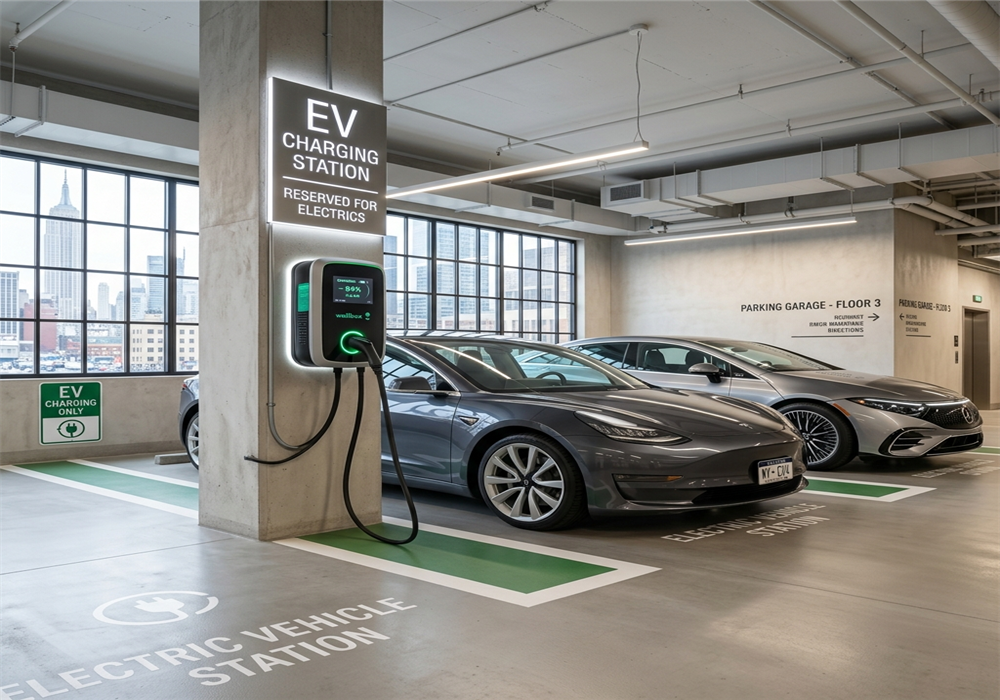
Is Your Building EV-Ready? NYC EV Charging Station Requirements
Electric vehicles (EVs) are becoming more common on New York City's streets, and tenants, employees, and visitors increasingly expect convenient access to charging. As demand grows, building owners are beginning to ask an important question:
"Is my building EV-ready?"
Being EV-ready doesn't necessarily mean every parking space already has a charger. It means your building has—or is prepared to install—the electrical infrastructure needed to support EV charging stations efficiently and safely.
Understanding today's requirements can help you plan upgrades, improve your property's value, and prepare for future regulations.
What Does "EV-Ready" Mean?
An EV-ready building has the electrical capacity and infrastructure needed to support electric vehicle charging equipment.
This essential infrastructure includes:
- Electrical conduit
- Wiring
- Panel capacity
- Dedicated circuits
- Space for future charging stations
Installing this infrastructure during construction or renovations is generally much less expensive than adding it later. New York State has also adopted requirements for future building codes to include EV-ready infrastructure in many new buildings with off-street parking.
Why Is EV Readiness Important?
Demand for EV charging continues to grow as more drivers switch to electric vehicles across New York City.
An EV-ready property offers clear strategic advantages:
- Increased property value
- Greater appeal to tenants and buyers
- Future-ready parking facilities
- Easier compliance with evolving regulations
- Support for sustainability goals
Preparing early also helps reduce future installation costs and avoids expensive retrofits.
NYC EV Charging Requirements
New York City has introduced requirements for certain parking garages and lots to increase EV charging availability over time.
Key compliance expectations include:
- Some new parking garages must include a percentage of spaces equipped with Level 2 chargers and additional spaces that are EV-capable.
- Certain existing parking garages and open parking lots with 10 or more spaces will also be required to add EV charging infrastructure according to phased compliance schedules.
Because requirements vary depending on the building type, parking configuration, and applicable code, owners should review which rules apply to their property before planning upgrades.
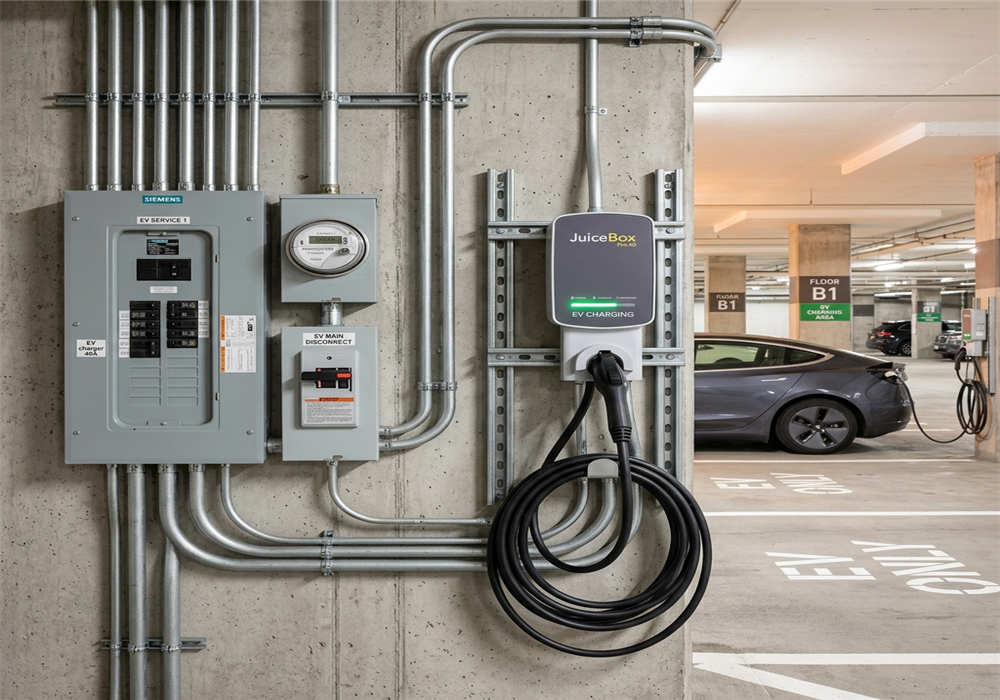
Is Your Building Ready? A Verification Roadmap
To evaluate whether your building is prepared, ask yourself these 5 critical infrastructure questions:
Question 1: Parking Facilities
Does your building have dedicated off-street parking, an enclosed garage, or surface parking lots?
Question 2: Electrical Capacity
Is there sufficient electrical service entering the facility to power multiple chargers without overloading existing service?
Question 3: Panel Support
Can your current main and sub-electrical panels accommodate additional 208/240V dedicated breakers?
Question 4: Existing Conduit
Is electrical conduit already installed from electrical rooms to parking spaces to reduce trenching costs?
Question 5: Occupant Demand
Do tenants, employees, or visitors currently request or express interest in on-site EV charging?
If you answered "no" to several of these questions, your property will benefit significantly from a professional EV-readiness assessment.
Benefits of Planning Early
Installing EV infrastructure during planned electrical upgrades or major renovations is far more cost-effective than retrofitting existing spaces later.
Early planning allows building owners to:
- Budget for improvements over time.
- Minimize construction disruptions for tenants.
- Expand charging capacity seamlessly as demand grows.
- Increase long-term property competitiveness in NYC's real estate market.
Future-proofing your building today helps avoid larger emergency retrofit expenses tomorrow.
Best Practices for NYC Building Owners
To prepare your property efficiently, follow these best practices:
- Assess existing electrical capacity and panel headroom.
- Review parking layouts to locate ideal charger positions near electrical distribution.
- Plan for future charger expansion using scalable load management.
- Work with qualified electrical engineers and licensed electricians.
- Monitor ongoing updates to NYC DOB and New York State building requirements.
A phased implementation approach allows buildings to expand charging infrastructure as tenant adoption increases.
Conclusion
Electric vehicles are becoming a permanent part of New York City's transportation landscape, making EV readiness an increasingly valuable feature for commercial and residential properties. Whether you're developing a new building or managing an existing one, planning for EV charging infrastructure today can reduce future costs, improve tenant satisfaction, and position your property for evolving building requirements.
By evaluating your electrical capacity, understanding applicable regulations, and planning upgrades strategically, you'll be better prepared for the next generation of building technology.
Frequently Asked Questions
What does EV-ready mean?
An EV-ready building has the electrical infrastructure needed to support future electric vehicle charging stations, even if chargers have not yet been installed.
Does every NYC building need EV chargers?
Requirements depend on factors such as building type, parking facilities, and applicable building codes. Not every property has identical obligations.
What's the difference between EV-ready and an installed charger?
EV-ready refers to the infrastructure needed for charging (conduit, capacity, panels), while an EV charging station is the physical equipment that charges a vehicle.
Why should building owners prepare now?
Early planning is typically less expensive than retrofitting later and helps accommodate future tenant demand and regulatory changes smoothly.
Can EV charging increase property value?
Many buyers and tenants view EV charging as a desirable amenity, making EV-ready buildings more attractive in a competitive NYC market.
Who can help determine if my building is EV-ready?
Licensed electrical engineers, qualified electricians, and building energy consultants can evaluate your property's electrical capacity and recommend appropriate upgrades.
You may also like