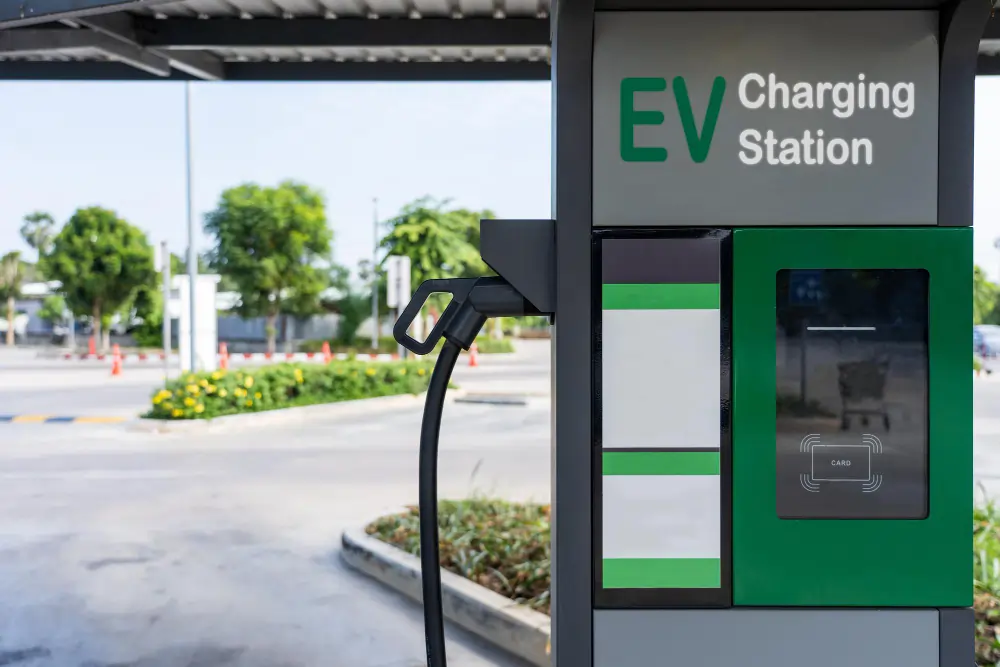
Electric vehicles are no longer something you only see in luxury neighborhoods or tech-heavy cities. Across New York City, more homeowners, property managers, and commercial building owners are thinking about EV charging. And honestly, they have good reason to.
With more people switching to electric vehicles every year, buildings that do not offer EV charging may soon feel outdated. In many cases, tenants and buyers already expect charging access, especially in newer residential properties.
But here is where things get confusing: What exactly are the EV charging requirements for NYC commercial and residential buildings? Do all buildings need EV chargers? Are there NYC laws property owners need to follow? What about permits, electrical upgrades, and compliance? If you own or manage a building in New York City, this guide breaks it down in plain English.
New York City is pushing hard toward electrification and lower emissions. The city and state are encouraging electric vehicle adoption through climate goals, incentives, and updated building policies. At the same time, more New Yorkers are buying EVs. Whether it is a Tesla, Rivian, Ford Mustang Mach-E, or a plug-in hybrid, drivers want convenient charging where they live and work.
For building owners, this shift creates both an opportunity and a responsibility. Adding EV charging can:
For some buildings, EV charging is becoming less of a luxury and more of an expectation.
The answer depends on the type of building, whether it is new construction or an existing property, and if parking is available.
NYC does not currently require every building to install EV chargers overnight. However, several rules affect how buildings must prepare for EV charging infrastructure. In many cases, developers and property owners must make parking areas "EV-ready." That means preparing electrical infrastructure so chargers can be installed more easily in the future.
This is especially important for:
If your building includes parking, EV charging requirements may apply sooner than you think.
Residential buildings in NYC face different expectations depending on the building type.
If you own a one- or two-family home with parking, installing an EV charger is usually optional. However, you must still follow:
Many homeowners choose a Level 2 EV charger because it charges significantly faster than a regular wall outlet. A licensed electrician will usually evaluate whether your panel can handle the additional electrical load.
Apartment buildings, condos, and co-op buildings are seeing increased demand for EV charging. Residents often ask: "Can I charge my EV in the building garage?" That sounds simple, but multifamily buildings face bigger challenges, including:
Many NYC condo and co-op boards are beginning to adopt EV charging policies to handle resident requests. Some buildings install shared charging stations, while others allow residents to pay for dedicated chargers in assigned parking spaces.
For newly constructed residential properties, NYC building codes increasingly encourage EV-ready parking infrastructure. Developers may need to include:
This makes future installations easier and far less expensive. Retrofitting older garages later often costs significantly more.
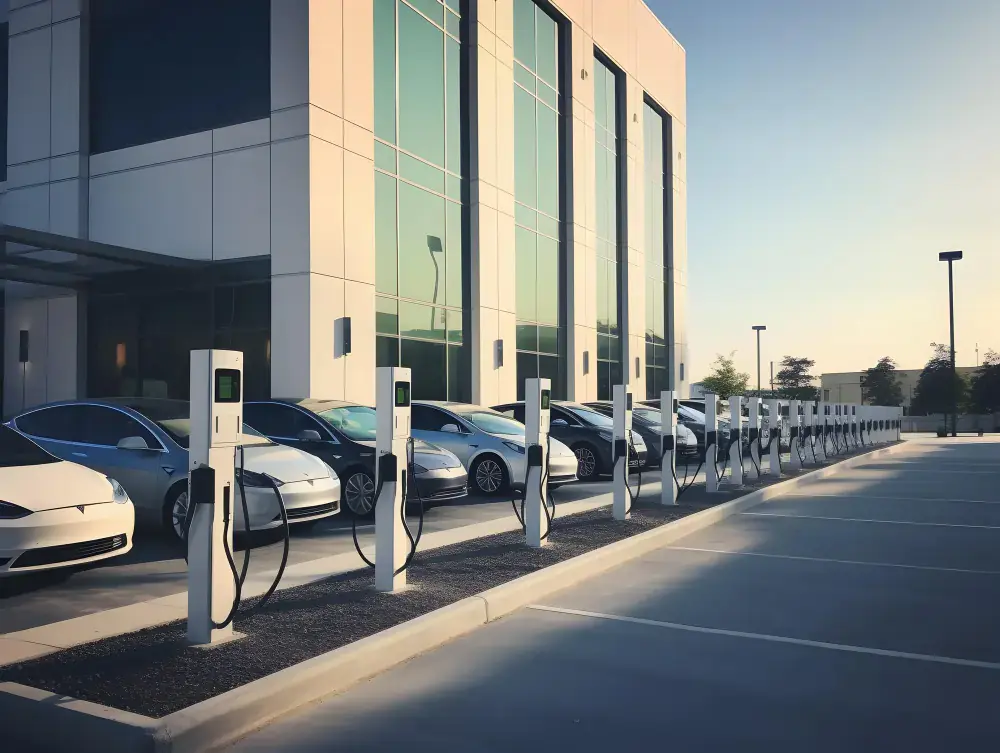
Commercial buildings face growing pressure to support EV infrastructure. This includes:
Businesses are increasingly installing chargers for employees, tenants, and customers. In some industries, not offering EV charging may eventually become a disadvantage. Imagine a Class A office building competing for tenants. If one building offers charging and another does not, the difference matters.
Commercial buildings with parking garages or lots may need EV-ready infrastructure depending on project scope and local code updates. This often involves:
Building owners should also think about future demand. Installing conduit now can save thousands of dollars later. Many property owners make the mistake of installing only one or two chargers without planning for expansion. A smarter approach is to prepare for future EV adoption.
Not all EV chargers are the same.
Level 1 Charging: This uses a standard household outlet. It is slow and usually works best for single-family homes. Most commercial properties do not rely on this option.
Level 2 Charging: This is the most common option for residential and commercial buildings. Level 2 chargers provide faster charging and are ideal for apartment buildings, condominiums, office buildings, hotels, and parking garages. Most NYC buildings installing EV charging choose this option.
DC Fast Charging: This is commercial-grade charging designed for quick charging sessions. You usually see it at gas station-style charging hubs, highway corridors, and fleet operations. These systems require significant electrical capacity and are generally not practical for most residential properties.
One mistake building owners make is assuming EV chargers can be installed without permits. In NYC, electrical work usually requires approvals. Depending on the project, property owners may need:
Older NYC buildings may also need panel upgrades before chargers can be installed. That can become one of the biggest project costs. Before moving forward, it is smart to conduct an electrical capacity assessment. This helps determine whether your building can support EV charging without overloading systems.
If you own a large commercial or multifamily building, you are probably already hearing about Local Law 97. At first glance, EV charging and carbon compliance may seem unrelated. But they are increasingly connected. Many NYC buildings are developing long-term electrification strategies to reduce emissions. EV charging may become part of a broader sustainability plan that includes:
The key is planning carefully. Poorly designed charging systems can increase electricity demand and affect building energy performance. Smart charging solutions can help manage this load more efficiently.
Costs vary widely depending on the building. A few factors impact pricing:
For some residential properties, installation may cost a few thousand dollars. Large commercial garages can require much larger investments. The good news? There are often state, federal, and utility incentives that can help offset costs. Many building owners miss these opportunities simply because they do not research available programs.
When planning EV charging, many property owners make avoidable mistakes.
Waiting Too Long: EV adoption is growing fast. Buildings that wait too long may struggle to keep up with tenant demand.
Not Planning for Expansion: Installing chargers without future planning can create expensive upgrades later. Always think long term.
Ignoring Electrical Capacity: Older buildings may not have enough electrical capacity. Skipping this step often causes delays.
Choosing the Wrong Charging Type: Every building has different needs. What works for a hotel may not work for a condo garage.
One thing is clear: EV charging is becoming part of modern building infrastructure. Just like elevators, internet access, or HVAC systems, charging stations are quickly moving from "nice to have" to "expected."
For NYC commercial and residential building owners, the smartest move is to start planning now. Even if you are not ready to install chargers immediately, making your building EV-ready can save money and reduce headaches later. As electric vehicle adoption grows, buildings with charging access will likely have a competitive advantage in attracting tenants, buyers, and businesses.
Not all buildings are required to install chargers, but some new developments and renovation projects may need EV-ready infrastructure.
Not always. However, tenant demand is increasing, and many multifamily buildings are adding charging access voluntarily.
In most cases, Level 2 charging works best because it balances charging speed and installation cost.
Yes. Most EV charging projects require electrical permits and licensed installation.
Yes, but some older buildings may need electrical upgrades before installation.