BY NYC Energy Code Team
ON 09 Aug 2026
Green Real Estate
NYC Building Energy Rules in 2026: What's New This Year
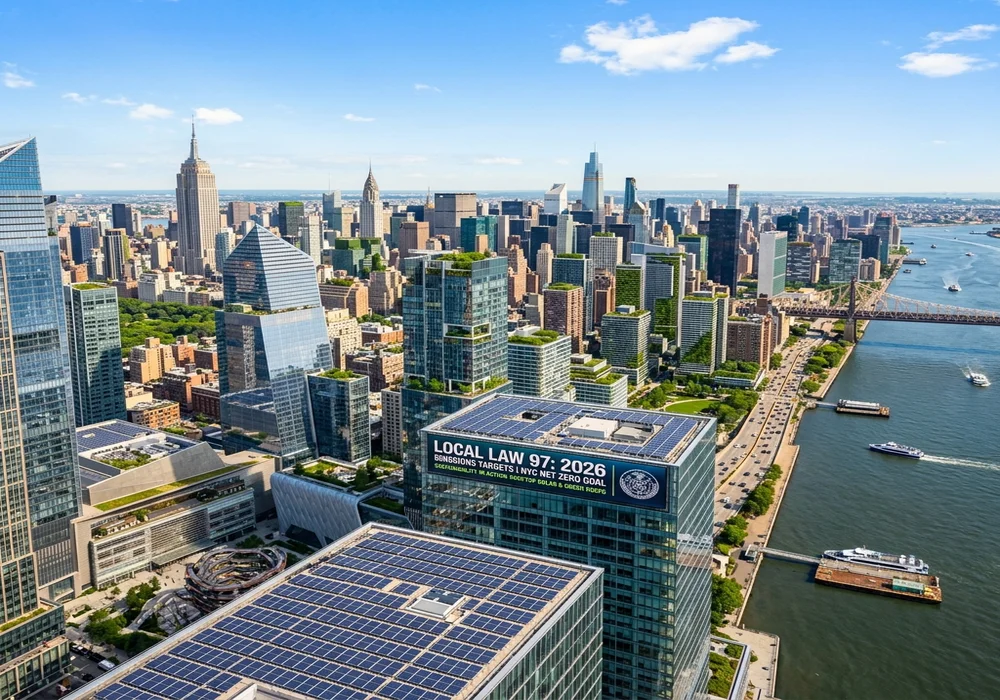
If you own or manage a commercial or multifamily building in New York City, 2026 brings several important updates to the city's energy compliance landscape. While many of the major sustainability laws have been in place for years, this year's requirements place a greater emphasis on accurate reporting, emissions tracking, and long-term building performance.
For many owners, the biggest mistake is assuming that if they complied last year, nothing has changed. In reality, new covered building lists, updated reporting methods, and annual filing requirements mean every compliance year deserves a fresh review.
Here's a simple overview of the most important NYC building energy rules for 2026.
Local Law 97 Continues to Expand
Local Law 97 remains one of NYC's most significant building sustainability laws.
Covered buildings must continue to measure and report greenhouse gas emissions annually while meeting the applicable emissions limits for their property type. In 2026, owners should review the latest Covered Buildings List (CBL) and verify that their reporting reflects the correct building classification. DOB has also transitioned fully to emissions limits based on ENERGY STAR Portfolio Manager property types beginning with 2026 reporting.
Review the 2026 Covered Buildings List
Every year, the NYC Department of Buildings publishes an updated Covered Buildings List (CBL).
A property's compliance status can change because of ownership changes, updated tax lot information, revised building records, or other factors. Rather than relying on last year's records, owners should verify whether their building appears on the 2026 Sustainability Law Covered Buildings List.
LL84 Benchmarking Remains an Annual Requirement
Energy benchmarking continues to be one of the foundation requirements for many NYC buildings.
Covered properties must report annual energy and water consumption through ENERGY STAR Portfolio Manager. For the 2026 compliance year, covered buildings generally submit their 2025 calendar-year energy and water data by May 1, 2026. Missing the deadline can result in violations and financial penalties.
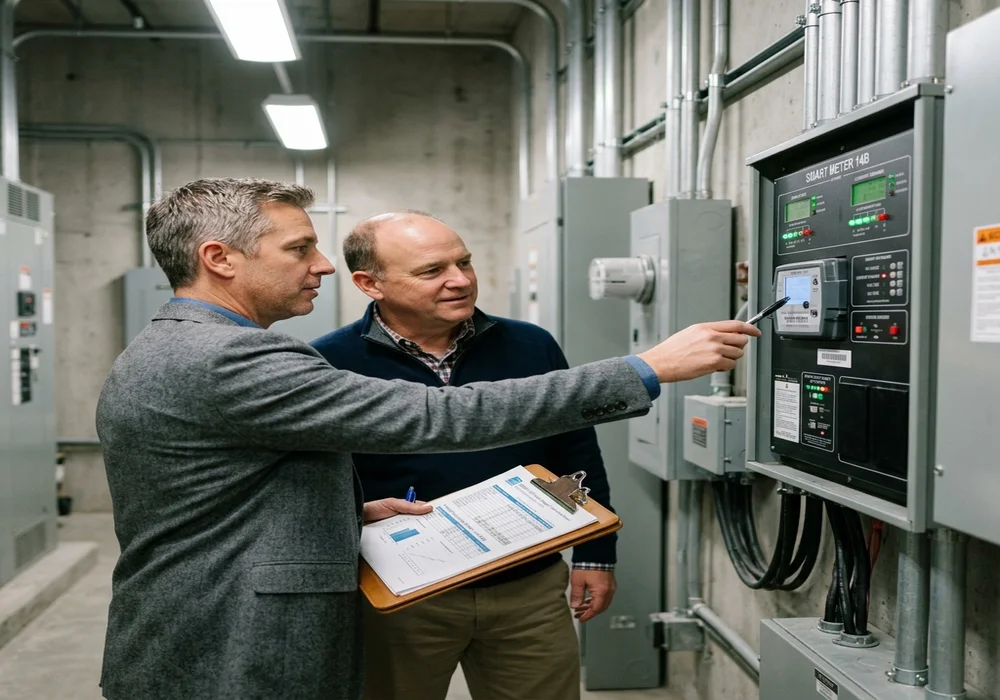
Building Energy Grades Still Matter
Energy grades remain publicly visible for many covered buildings.
Grades are based on benchmarking results and may influence how tenants, buyers, lenders, and investors view a property.
If your building receives a poor grade—or an F due to missing benchmarking data—it may indicate that reporting or energy management needs attention.
Documentation Is More Important Than Ever
Many compliance problems aren't caused by building performance—they're caused by missing records.
Owners should maintain organized documentation, including:
- Benchmarking reports
- Utility records
- LL97 emissions reports
- Professional certifications
- Energy audit reports
- Retro-commissioning records
- Previous compliance filings
Good recordkeeping makes future reporting significantly easier.
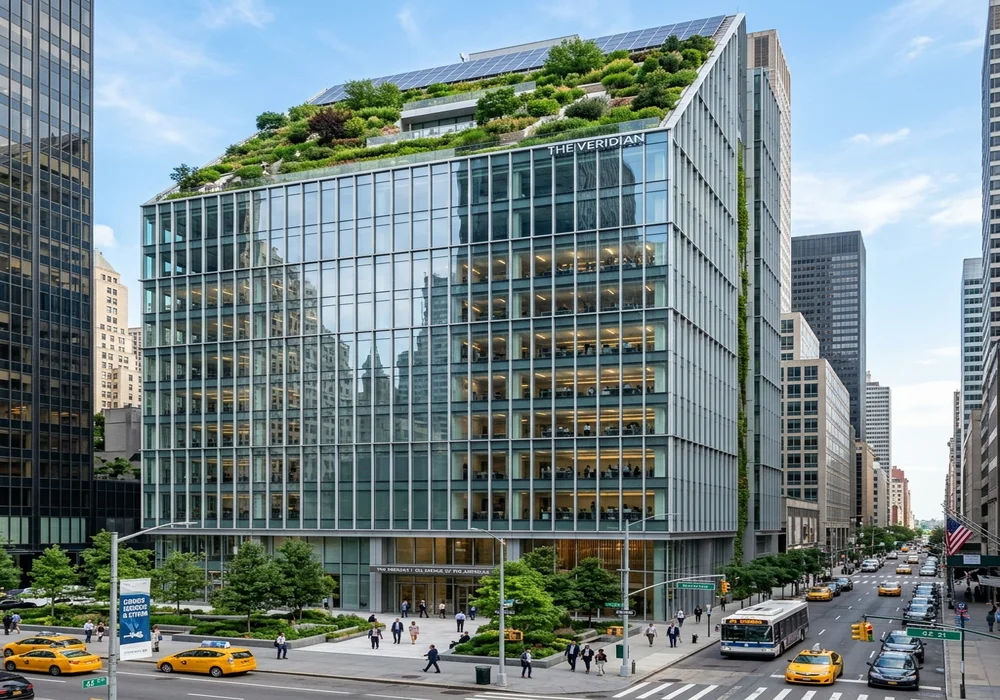
Energy Performance Is Becoming a Business Issue
Energy compliance is no longer viewed solely as a regulatory requirement. Many organizations now evaluate buildings based on:
- Operating costs & carbon emissions
- Sustainability goals & ESG reporting
- Long-term capital planning & investor expectations
Plan Ahead Instead of Reacting
One of the biggest lessons from recent years is that waiting until filing deadlines creates unnecessary pressure.
Building owners should:
- Review annual compliance calendars.
- Verify covered building status.
- Schedule energy assessments early.
- Update utility records.
- Monitor building performance throughout the year.
- Coordinate with qualified professionals before deadlines approach.
A proactive approach typically reduces both compliance risks and emergency costs.
Best Practices for 2026
To stay organized this year:
- Verify your building appears correctly on the 2026 Covered Buildings List.
- Complete benchmarking before the annual deadline.
- Review LL97 reporting obligations.
- Monitor energy performance regularly.
- Maintain organized compliance records.
- Plan energy improvements before future emissions limits become more stringent.
Small annual improvements are often easier and less expensive than large last-minute projects.
Conclusion
NYC's building energy rules continue to evolve, but the overall direction remains consistent: improve energy performance, reduce greenhouse gas emissions, and increase transparency. In 2026, building owners should pay close attention to updated covered building lists, annual benchmarking requirements, and Local Law 97 reporting obligations.
The owners who perform best are typically those who plan throughout the year rather than waiting until filing deadlines arrive. Staying informed, maintaining accurate records, and monitoring building performance will help reduce compliance risks while supporting long-term operational efficiency.
Frequently Asked Questions
What is the biggest NYC energy compliance change in 2026?
One notable update is that Local Law 97 reporting now fully uses ENERGY STAR Portfolio Manager property types for emissions limits, making accurate property classification especially important.
Do I need to check the Covered Buildings List every year?
Yes. The NYC Department of Buildings publishes an updated Covered Buildings List annually, and a property's compliance status can change from year to year.
Is LL84 benchmarking still required?
Yes. Covered buildings must continue submitting annual energy and water benchmarking data through ENERGY STAR Portfolio Manager by the applicable deadline.
Does Local Law 97 require annual reporting?
Yes. Covered buildings subject to Local Law 97 must continue filing annual greenhouse gas emissions reports with the NYC Department of Buildings.
Why are building energy grades important?
Energy grades are publicly displayed for many covered buildings and provide a snapshot of a property's energy performance or reporting status.
How can building owners prepare for future compliance?
Review your building's compliance obligations annually, keep documentation organized, monitor energy performance year-round, and plan upgrades before future reporting deadlines arrive.
You may also like