BY NYC Energy Code Team
ON 28 Jun 2026
Local Law 152 Commercial Spaces NYC: What Owners of Mixed-Use Buildings Should Know
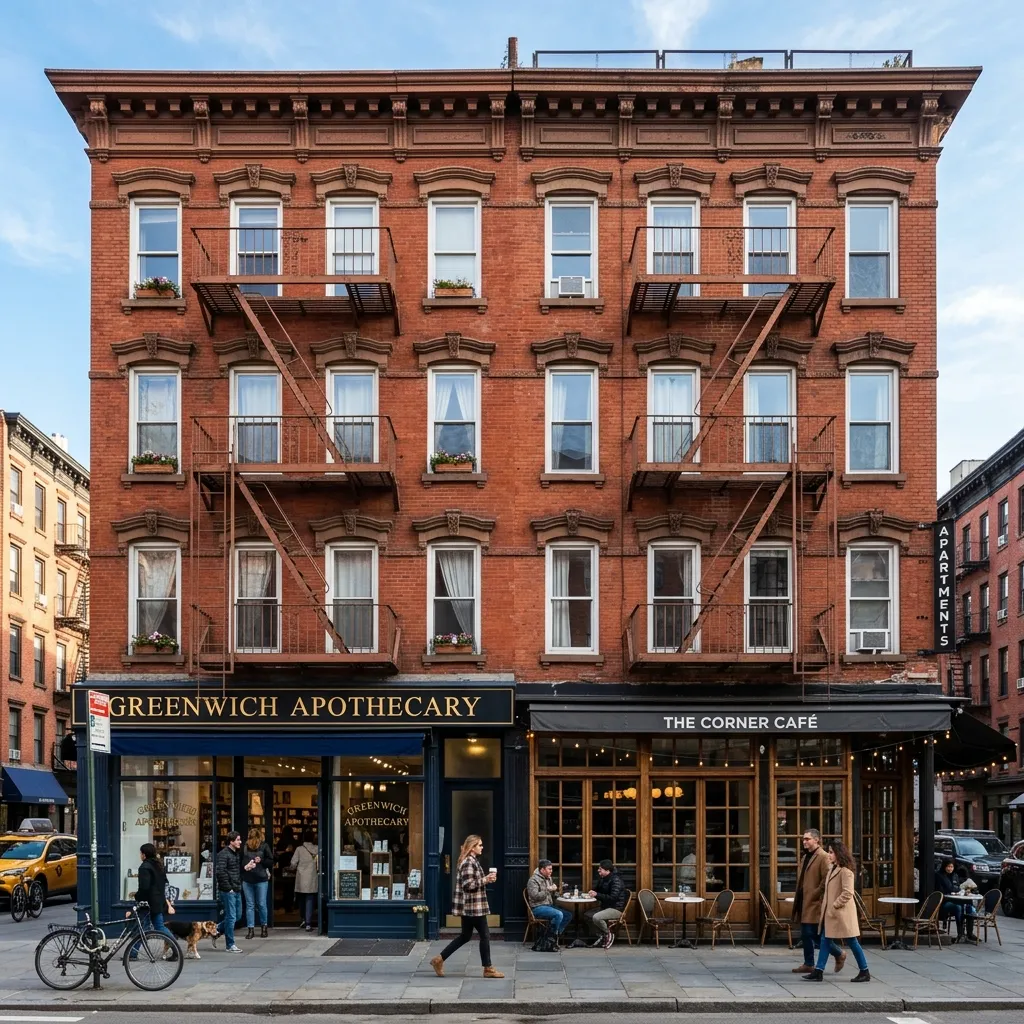
When people discuss Local Law 152, the conversation usually centers around apartment buildings and residential properties. This has led many property owners to believe that the law primarily concerns residential gas systems and has little relevance to commercial spaces.
That assumption can create compliance problems.
Across New York City, thousands of buildings combine residential apartments with commercial tenants such as restaurants, cafés, retail stores, offices, medical practices, grocery stores, and community facilities. These mixed-use properties often contain more complex gas piping systems than residential buildings alone.
For owners of these properties, understanding Local Law 152 commercial spaces NYC requirements is an important part of maintaining compliance. Commercial areas may contain gas-fired appliances, kitchen equipment, heating systems, boiler rooms, mechanical spaces, or exposed gas piping that affects the scope of a Local Law 152 inspection.
The presence of commercial tenants does not automatically change the law, but it often changes how inspections are coordinated and documented.
Understanding Local Law 152
Local Law 152 is part of New York City's ongoing effort to improve building safety through periodic inspections of exposed gas piping systems.
The law generally requires qualified professionals to inspect exposed gas piping in covered buildings and certify the inspection according to Department of Buildings (DOB) requirements.
The primary objectives include:
- Improving public safety
- Detecting deteriorated gas piping
- Identifying unsafe conditions
- Reducing the risk of gas leaks
- Maintaining accurate compliance records
Although these goals apply broadly, the inspection process may be more involved when commercial spaces are included within a building.
Why Commercial Spaces Are Often Overlooked
Many owners naturally think about Local Law 152 from the perspective of their residential tenants. After all, apartment units represent the majority of the building. However, the commercial portion of the property may contain gas-related infrastructure that requires equal attention.
Examples include:
- Restaurant kitchens
- Commercial cooking equipment
- Retail food preparation areas
- Bakeries
- Cafés
- Office buildings with gas heating
- Community facilities
- Mechanical equipment rooms
- Shared boiler systems
Ignoring these areas during planning can create unnecessary delays when inspections are performed.
The Mixed-Use Blind Spot
Mixed-use buildings are among the most misunderstood property types under Local Law 152.
Imagine a five-story building with four residential floors and a restaurant on the ground floor. Many owners focus primarily on the apartments. The restaurant, however, may contain commercial ranges, gas ovens, fryers, water heaters, gas shutoff valves, and additional exposed piping. These systems may influence the inspection process.
The building should therefore be viewed as one integrated property rather than separate residential and commercial spaces.
Commercial Space Can Affect Inspection Scope
Every building has a unique gas piping layout. Some commercial tenants use no gas at all. Others rely heavily on natural gas for daily operations. Depending on the building, inspectors may need access to commercial kitchens, boiler rooms, mechanical spaces, utility rooms, gas meter rooms, basement piping, public corridors, and service areas.
The inspection scope depends on the actual gas piping configuration rather than the type of tenant occupying the space.
Common Commercial Areas That May Require Access
A Local Law 152 inspection often involves more than residential hallways. Commercial buildings may require access to areas such as:
Restaurant Kitchens
Restaurants frequently contain multiple gas appliances operating throughout the day. These spaces often include exposed piping and shutoff equipment that may require inspection.
Retail Spaces
Some retail businesses operate gas-fired equipment for food preparation or heating. Access should be coordinated before inspection day.

Boiler Rooms
Boiler rooms often contain exposed gas piping serving the building's heating system. These mechanical areas are commonly included in inspections.
Mechanical Rooms
Mechanical spaces frequently contain valves, regulators, piping, and other infrastructure relevant to the inspection.
Basement Utility Areas
Gas meters and primary piping frequently originate in basement utility rooms. Inspectors may need unrestricted access to these areas.
Why NYC Mixed-Use Buildings Need Additional Planning
New York City contains thousands of older mixed-use buildings. Many have evolved over decades. Restaurants move in, retail businesses change ownership, office space becomes residential, and mechanical systems are upgraded. As a result, today's gas piping layout may differ significantly from the building's original design. Owners should avoid assuming that the current tenant arrangement accurately reflects the building's gas infrastructure.
Owner Responsibility vs Tenant Responsibility
One of the most common misunderstandings concerns responsibility. Commercial tenants often maintain their own equipment, hire contractors, and perform repairs. However, owners should not assume tenants are responsible for Local Law 152 compliance. While lease agreements vary, building-level compliance responsibilities generally remain with the property owner. This includes coordinating inspections, maintaining records, and ensuring required documentation is completed.
Why Tenant Assumptions Create Problems
Consider this common scenario. A landlord assumes the restaurant tenant has already addressed everything related to gas piping. The tenant assumes the landlord is handling the inspection. Inspection day arrives. The inspector cannot access the restaurant, the manager is unavailable, the kitchen is closed, and gas meter rooms remain locked. The inspection must be rescheduled. Simple communication failures often create unnecessary delays.
Coordinating Access Before Inspection Day
Successful inspections usually begin long before the plumber arrives. Owners or managing agents should coordinate access with commercial tenants well in advance. A planning checklist may include:
- Confirm inspection date
- Notify commercial tenants
- Arrange key access
- Confirm business operating hours
- Ensure mechanical rooms are unlocked
- Verify basement access
- Inform maintenance staff
- Prepare utility rooms
Advance coordination minimizes disruption for both inspectors and tenants.
Why Restaurants Require Special Attention
Restaurants deserve particular attention because they often contain extensive gas infrastructure. Examples include commercial stoves, ovens, grills, fryers, steam equipment, water heaters, and gas-fired cooking appliances. Because restaurants frequently operate during busy business hours, inspection scheduling should be coordinated carefully.
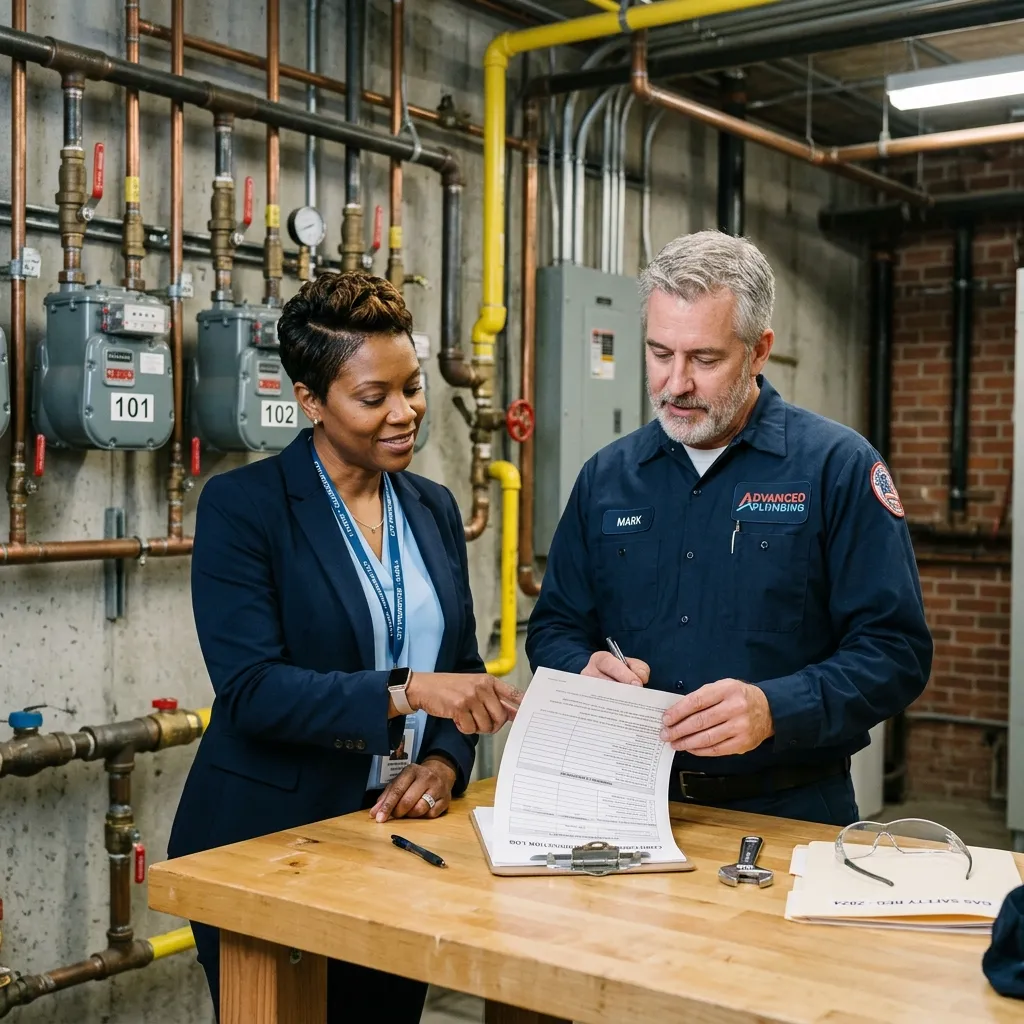
Commercial Renovations Can Affect Documentation
Commercial spaces often experience frequent renovations, such as tenant improvements, kitchen upgrades, equipment replacement, gas line modifications, and mechanical renovations. Owners should maintain records documenting these changes. Historical documentation can become valuable during future inspections.
Keep Local Law 152 Records at the Building Level
Rather than maintaining separate files for residential and commercial spaces, owners should organize one comprehensive Local Law 152 compliance file for the entire building.
This file should include:
- GPS1 inspection reports
- GPS2 certification
- DOB confirmation
- Commercial access records
- Tenant communication
- Repair documentation
- Inspection photographs
- Utility information
- Professional correspondence
- Previous inspection history
Centralized documentation simplifies future compliance.
Documentation Helps During Ownership Changes
Well-organized records become particularly valuable when selling the property, refinancing, changing management companies, bringing in new commercial tenants, or responding to DOB inquiries. Future owners and managers benefit from having complete compliance records readily available.
Common Mistakes Owners Make
Several mistakes appear repeatedly in mixed-use properties. These include:
- Assuming Local Law 152 only applies to apartments
- Forgetting commercial spaces during planning
- Not coordinating tenant access
- Missing inspections because businesses were closed
- Failing to maintain building-wide records
- Assuming tenants handled compliance
- Ignoring mechanical rooms
- Losing inspection documentation
Most of these issues can be prevented with better planning.
How Property Managers Can Improve Compliance
Property managers overseeing mixed-use buildings should establish standardized procedures. Best practices include:
- Maintain updated tenant contact information.
- Schedule inspections well in advance.
- Coordinate access with commercial occupants.
- Review gas piping layouts.
- Verify mechanical room accessibility.
- Organize compliance documentation digitally.
- Track GPS1 and GPS2 status.
- Save DOB confirmations.
A standardized process improves efficiency across multiple properties.
Why Good Communication Matters
Successful Local Law 152 compliance depends on communication between building owners, managing agents, commercial tenants, residential tenants, Licensed Master Plumbers, maintenance staff, and building engineers. Everyone involved should understand when inspections are scheduled and what areas require access.
Benefits of Early Planning
Owners who begin planning early often experience fewer scheduling conflicts, better contractor availability, easier tenant coordination, less disruption to businesses, more organized documentation, and reduced administrative stress. Waiting until the deadline approaches often creates avoidable complications.
Practical Steps Every Owner Should Take
Owners of mixed-use buildings should ask the following questions:
- Is my building covered under Local Law 152?
- Where are all exposed gas piping systems located?
- Which commercial areas require inspection access?
- Have tenants been notified?
- Are mechanical rooms accessible?
- Is all documentation organized?
- Have GPS1 and GPS2 records been prepared?
- Will DOB confirmations be retained?
Answering these questions early helps create a smoother inspection process.
Conclusion
The discussion surrounding Local Law 152 commercial spaces NYC extends well beyond apartment buildings.
Mixed-use and commercial properties often contain gas piping systems that require careful planning, coordinated access, and thorough documentation. Restaurants, retail stores, offices, boiler rooms, and other commercial areas may all influence how a Local Law 152 inspection is conducted.
Property owners should avoid assuming that commercial tenants have addressed compliance independently. Instead, inspections should be coordinated at the building level, with complete records maintained for every inspection cycle.
By understanding the building's gas piping layout, communicating with tenants in advance, organizing documentation, and maintaining accurate compliance records, owners can simplify the inspection process while reducing administrative challenges.
Frequently Asked Questions
Does Local Law 152 apply to mixed-use buildings?
Many mixed-use buildings may be covered under Local Law 152. Property owners should verify the building's classification, gas piping systems, and applicable DOB requirements.
Can a commercial tenant complete the filing?
Owners should not assume that a tenant is responsible for Local Law 152 compliance. Building-level compliance generally remains the responsibility of the property owner or managing agent.
Why does commercial access matter during inspections?
Inspectors may need access to restaurants, retail spaces, boiler rooms, mechanical areas, or other locations containing exposed gas piping or related equipment.
Should owners maintain separate compliance files for residential and commercial areas?
No. It is generally more effective to maintain one comprehensive Local Law 152 file for the entire building, including inspection reports, certifications, tenant coordination records, and DOB confirmations.
What should owners do before scheduling an inspection?
Owners should verify building coverage, review the gas piping layout, notify commercial tenants, arrange access to all required areas, and organize existing compliance documentation.
Why is early coordination important?
Planning ahead reduces scheduling conflicts, improves access to commercial spaces, minimizes disruption to tenants, and helps ensure that inspections and filings are completed on time.
You may also
like