Learn what happens during an energy audit, what inspectors look for, and how it helps efficiency.
BY NYC Energy Code Team
ON
24 July 2026
LL95 Energy Grades Explained: What That A–F Letter on Your Building Really Means
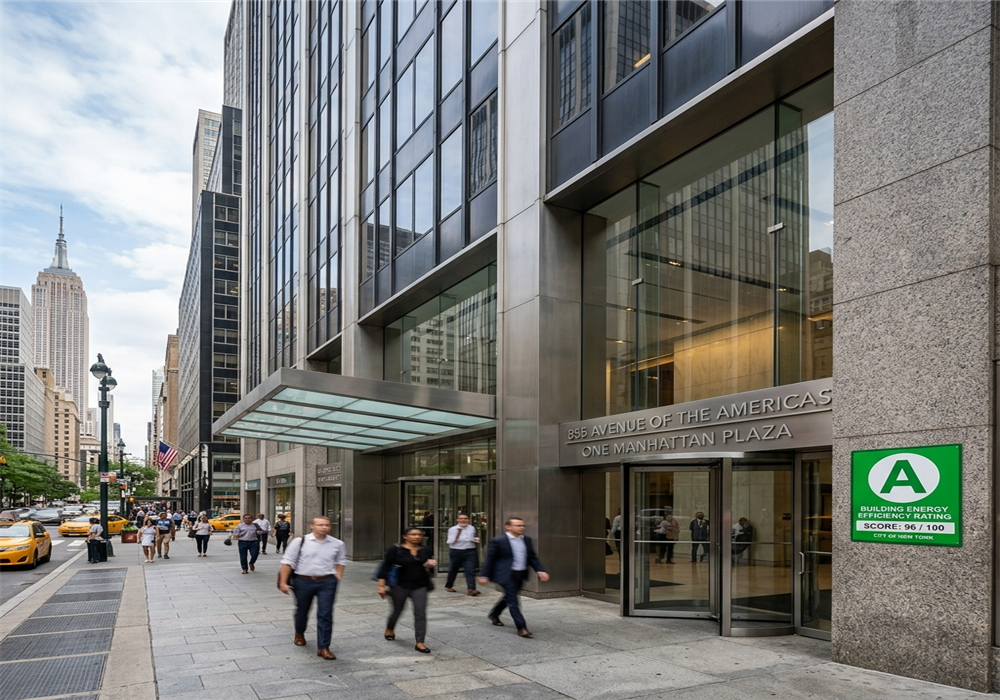
Have you ever walked past a New York City building and noticed a large A, B, C, D, or F posted near the entrance? That letter isn't a restaurant health grade—it's the building's energy efficiency grade.
Under Local Law 95 (LL95), many large NYC buildings are required to display an energy efficiency grade based on their annual energy benchmarking results. The goal is to make energy performance more transparent and encourage property owners to improve building efficiency.
If you're seeing your building's grade for the first time, here's what it actually means.
What Is Local Law 95?
Local Law 95 requires covered buildings to publicly display an Energy Efficiency Score and corresponding letter grade near the building entrance.
The grade is based primarily on information reported through Local Law 84 benchmarking, making it easy for tenants, visitors, buyers, and building owners to understand how efficiently a property performs.
Rather than reading complicated energy reports, people can quickly identify a building's overall energy performance with a simple letter grade.
What Do the Grades Mean?
Like school report cards, higher grades indicate better performance.
| Grade | Meaning |
|---|---|
| A | Excellent energy performance |
| B | Above-average efficiency |
| C | Average performance |
| D | Below-average efficiency |
| F | Poor performance or missing required benchmarking information |
An A grade doesn't necessarily mean the building is perfect, but it generally indicates strong energy performance compared to similar properties.
How Is the Grade Determined?
The grade is based on data submitted during annual benchmarking, including:
- Electricity consumption: Total annual electrical usage across common and tenant areas.
- Natural gas usage: Heating, domestic hot water, and cooking gas consumption.
- Water usage (where applicable): Annual water meter consumption data.
- Building size: Gross floor area and occupied square footage parameters.
- Occupancy information: Daily operating hours, worker density, and computer counts.
- ENERGY STAR performance metrics: Normalized 1–100 ENERGY STAR score rating.
The more accurate your benchmarking data, the more reliable your building's energy grade will be.

Why Does Your Energy Grade Matter?
An energy grade is more than just a compliance requirement—it becomes part of your building's public image.
A strong grade may:
Benefits of a Strong Energy Grade
- Increase tenant confidence: Demonstrates high building operational standards.
- Improve property marketability: Attracts environmentally conscious commercial and residential tenants.
- Demonstrate environmental responsibility: Aligns with NYC climate action goals.
- Highlight lower operating costs: Signals lower energy bills and well-maintained mechanical systems.
- Support sustainability initiatives: Enhances overall ESG rating and asset value.
On the other hand, a low grade may signal opportunities for energy improvements.
How Can You Improve Your Grade?
Improving your energy grade usually starts with reducing unnecessary energy consumption.
Common improvements include:
- Upgrading to LED lighting: Transition to energy-efficient LED fixtures with automatic occupancy sensors.
- Replacing older HVAC equipment: Install high-efficiency heat pumps, VFDs, and modern boiler controls.
- Installing smart building controls: Deploy programmable thermostats and automated BMS setback schedules.
- Improving insulation: Upgrade thermal insulation on roofs, exterior walls, and mechanical piping.
- Fixing air leaks: Seal perimeter windows, doors, and building envelope gaps to reduce heat loss.
- Monitoring utility usage regularly: Track monthly utility bills to spot unusual spikes early.
Even small efficiency improvements can positively impact future benchmarking results.

Common Mistakes That Hurt Energy Grades
Building owners often receive lower grades because of avoidable issues, such as:
Avoidable Factors Impacting Building Grades
- Incorrect benchmarking data: Inaccurate square footage or miscalculated operating hours.
- Delayed utility reporting: Missing utility data leading to automatic F ratings.
- Outdated mechanical systems: Inefficient boilers or HVAC running past service life.
- Poor maintenance practices: Dirty filters, uncalibrated controls, or leaking valves.
- Ignoring rising energy consumption: Failing to investigate sudden spikes in usage.
Reviewing your building's energy performance throughout the year helps prevent these problems before annual reporting.
Conclusion
LL95 makes building energy performance easy to understand by converting complex benchmarking data into a simple A–F energy grade. While the grade itself doesn't create penalties, it provides valuable transparency for owners, tenants, investors, and prospective buyers.
A higher grade reflects better energy management and can enhance your building's reputation, while a lower grade highlights opportunities for improvement. By maintaining accurate benchmarking data and investing in energy-efficient upgrades, building owners can improve both their building's performance and its public energy rating.
Frequently Asked Questions
LL95 requires many covered NYC buildings to publicly display an energy efficiency grade based on annual benchmarking data.
The grade is determined using energy benchmarking information reported under Local Law 84, including building energy usage and ENERGY STAR performance metrics.
An A grade indicates that a building performs very well in terms of energy efficiency compared with similar properties.
The grade itself is intended to provide transparency. However, owners should continue meeting all applicable NYC energy compliance requirements.
Yes. Energy-efficient upgrades, better maintenance, and accurate benchmarking can improve future energy grades.
No. LL84 requires annual energy benchmarking, while LL95 requires covered buildings to publicly display the resulting energy efficiency grade.