BY NYC Energy Code Team
ON 01 Aug 2026
Mechanical/Electrical/Plumbing
5 Signs Your Building's MEP Systems Need an Upgrade
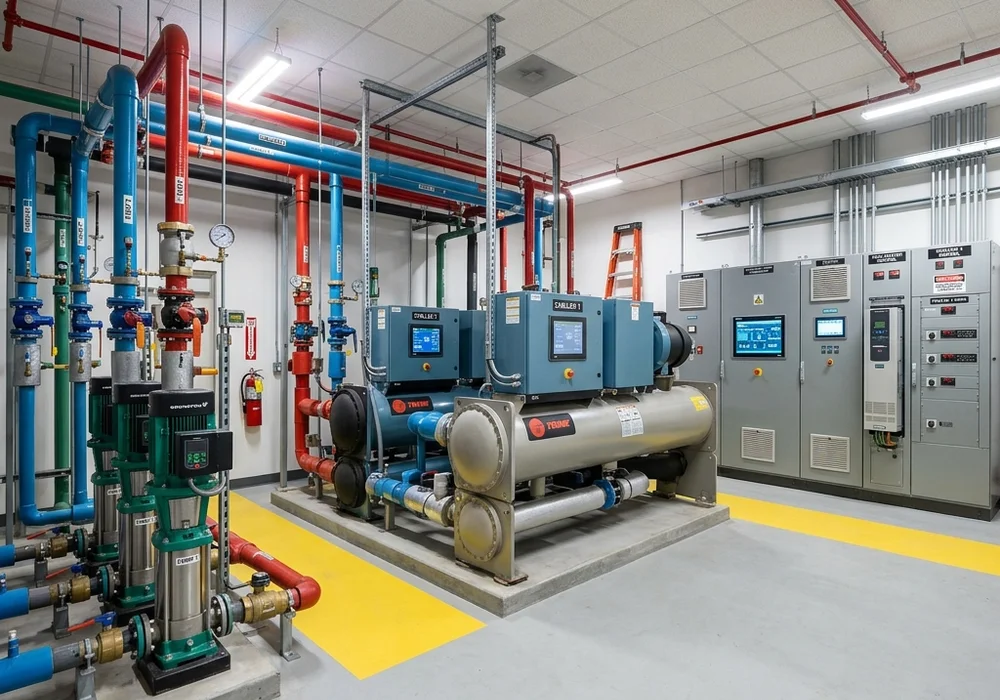
Every building depends on its Mechanical, Electrical, and Plumbing (MEP) systems to operate safely and efficiently. From keeping occupants comfortable to powering equipment and supplying clean water, these systems work behind the scenes every day.
But like any major building component, MEP systems age. Older equipment becomes less efficient, requires more repairs, and may struggle to meet today's energy and safety standards.
If you're noticing rising utility costs or frequent maintenance issues, your building could be telling you it's time for an upgrade. Here are five common signs that your MEP systems may need attention.
1. Your Energy Bills Keep Increasing
One of the earliest warning signs is a steady increase in electricity, gas, or water bills without a significant change in building occupancy or operations.
Older HVAC equipment, outdated lighting, inefficient pumps, and aging electrical systems often consume much more energy than modern alternatives.
An MEP assessment can identify where energy is being wasted and recommend upgrades that improve efficiency while reducing operating costs.
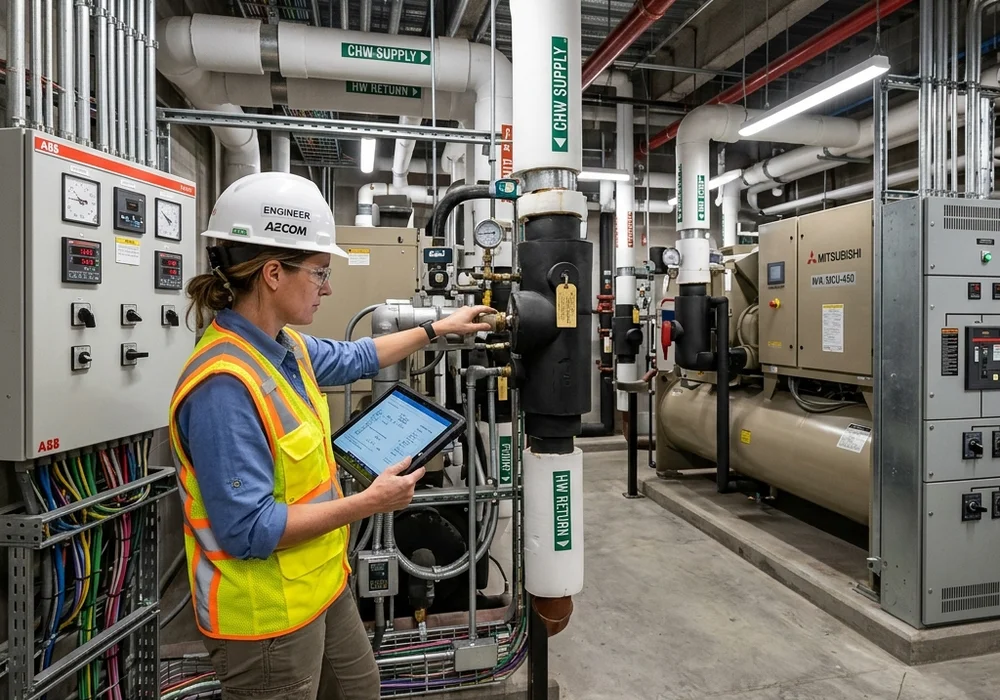
2. Equipment Breakdowns Are Becoming More Frequent
Every building requires occasional maintenance, but constant repairs are a different story.
If you're repeatedly repairing:
- HVAC units
- Boilers
- Electrical panels
- Water pumps
- Plumbing fixtures
the cost of maintenance may eventually exceed the cost of replacing the equipment.
Frequent failures also increase the risk of unexpected downtime and tenant complaints.
3. Occupants Keep Reporting Comfort Issues
When tenants regularly complain about:
- Hot or cold rooms
- Poor airflow
- Weak water pressure
- Flickering lights
- Inconsistent temperatures
the problem often points to aging or undersized MEP systems.
Modern systems provide better temperature control, improved ventilation, and more reliable building performance.
Proactive Warning: Persistent occupant comfort complaints and voltage fluctuations are often early indicators of system overload or major equipment degradation before complete failure occurs.
4. Your Building Doesn't Meet Modern Efficiency Standards
Building codes and energy regulations continue to evolve.
Older MEP systems may struggle to support:
- Energy-efficiency goals
- Building modernization projects
- Sustainability initiatives
- New electrical loads
- Smart building technologies
Upgrading equipment can improve overall building performance while helping prepare for future compliance requirements.
5. Renovations or Tenant Needs Have Changed
Buildings change over time.
Office spaces become residential units. Retail areas expand. Restaurants add kitchen equipment. New technology increases electrical demand.
If your building's use has changed since the original systems were installed, the existing MEP infrastructure may no longer be properly sized for current operations.
An upgrade ensures the building can safely support today's requirements and future growth.
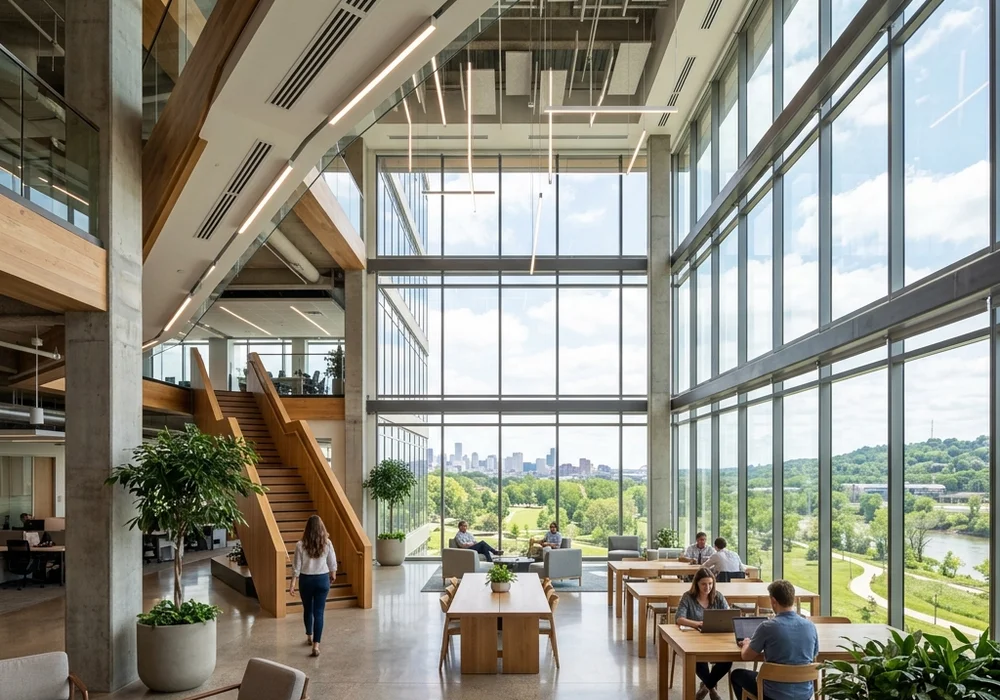
Benefits of an MEP Upgrade
Modernizing MEP systems can provide several long-term advantages, including:
- Lower utility bills
- Improved occupant comfort
- Better indoor air quality
- Reduced maintenance costs
- Greater equipment reliability
- Increased property value
- Improved building efficiency
- Support for sustainability goals
Although upgrades require an initial investment, they often reduce operating expenses over the life of the building.
Best Practices Before Upgrading
Before replacing major systems:
- Perform a professional building assessment.
- Review equipment age and maintenance history.
- Analyze energy consumption trends.
- Prioritize the highest-impact improvements.
- Develop a phased upgrade plan.
- Work with experienced MEP engineers and contractors.
A strategic approach helps maximize return on investment while minimizing disruption.
Strategic Planning Tip: Conducting a comprehensive MEP engineering audit prior to design ensures new systems are right-sized for actual occupancy and peak electrical/thermal demand.
Conclusion
Your building's MEP systems are the backbone of daily operations. When energy bills continue rising, equipment fails more often, or occupants experience ongoing comfort issues, it may be time to evaluate whether your systems are still meeting your building's needs.
Upgrading mechanical, electrical, and plumbing systems isn't just about replacing old equipment—it's about improving efficiency, reducing operating costs, increasing reliability, and preparing your property for the future. Identifying these warning signs early allows building owners to plan upgrades before minor issues become expensive emergencies.
Frequently Asked Questions
What are MEP systems?
MEP stands for Mechanical, Electrical, and Plumbing systems. These systems provide heating, cooling, power distribution, lighting, water supply, drainage, and other essential building services.
How long do MEP systems typically
last?
The lifespan varies depending on the equipment, maintenance, and operating conditions. Regular inspections help determine when replacement is more cost-effective than continued repairs.
What is the biggest sign an MEP
upgrade is needed?
Consistently rising energy costs combined with frequent equipment failures are two of the strongest indicators that building systems may need modernization.
Can upgrading MEP systems reduce
operating costs?
Yes. Modern equipment is generally more energy efficient, requires less maintenance, and often lowers utility expenses over time.
Will an MEP upgrade increase
property value?
In many cases, yes. Buildings with modern, efficient systems are often more attractive to tenants, buyers, and investors.
Should I replace all MEP systems at
once?
Not necessarily. Many owners choose a phased approach, upgrading the most critical or inefficient systems first based on budget, condition, and building priorities.
You may also
like