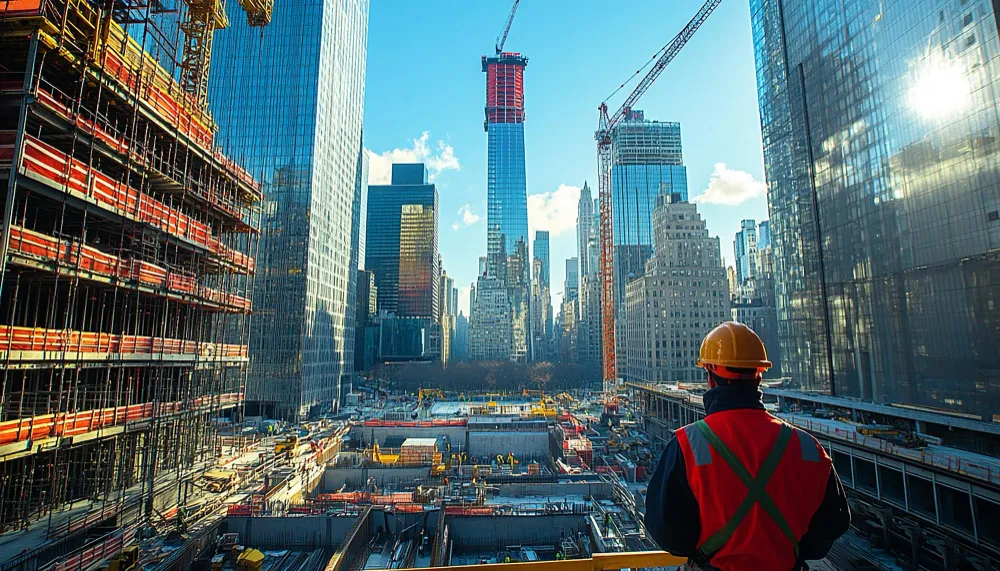
Renewable energy is no longer just a sustainability goal for New York City buildings. By 2026, it has become a practical and strategic decision tied closely to operating costs, regulatory compliance, and long-term property value. For many building owners, the conversation has shifted from “Should we consider renewable energy?†to “Which renewable options actually work for our building?â€
This article is written for NYC building owners, property managers, and real estate decision-makers who want clear, realistic guidance. There is no theory-heavy language here. The focus is on what is possible, what is practical, and what makes sense for buildings operating in New York City in 2026.
Energy costs in New York City continue to rise, and emissions regulations are becoming stricter every year. At the same time, tenants, investors, and lenders are paying closer attention to how buildings manage energy and carbon emissions.
By 2026, renewable energy plays an important role for three main reasons:
Rooftop solar remains the most common renewable energy solution for NYC buildings. Solar technology has improved significantly, and many commercial and residential properties can now generate a portion of their electricity on-site.
Rooftop solar works best for buildings that have:
When installed properly, solar panels reduce reliance on grid electricity during daylight hours. This lowers electricity bills and reduces emissions associated with purchased power.
However, rooftop solar has limitations that owners must understand. In dense urban areas, roof space is often limited. High-rise buildings may generate only a small percentage of total energy demand through solar. As a result, solar should be viewed as one part of a broader energy plan, not a complete solution.
Many NYC buildings simply cannot install rooftop solar. For these properties, community solar has become a realistic alternative by 2026.
Community solar allows a building to subscribe to a shared solar project located elsewhere in the same utility service area. The building then receives credits on its electricity bill based on its share of the solar generation.
This option is particularly useful for:
Community solar does not change the physical structure of the building, but it can still reduce electricity costs and support emissions reduction goals when structured properly. Subscription terms vary, so careful review is important to ensure the financial and environmental benefits align with expectations.
Heat pumps are often discussed in the context of electrification, but they also support renewable energy adoption. Heat pumps allow buildings to use electricity more efficiently, which becomes increasingly important as the grid incorporates more renewable sources.
In NYC, air-source and water-source heat pumps are commonly used in phased upgrades rather than full system replacements. This approach reduces disruption and spreads costs over time.
When paired with cleaner electricity, heat pumps help lower emissions while improving comfort and system performance. For many buildings, they serve as a bridge between traditional systems and a more renewable-powered future.
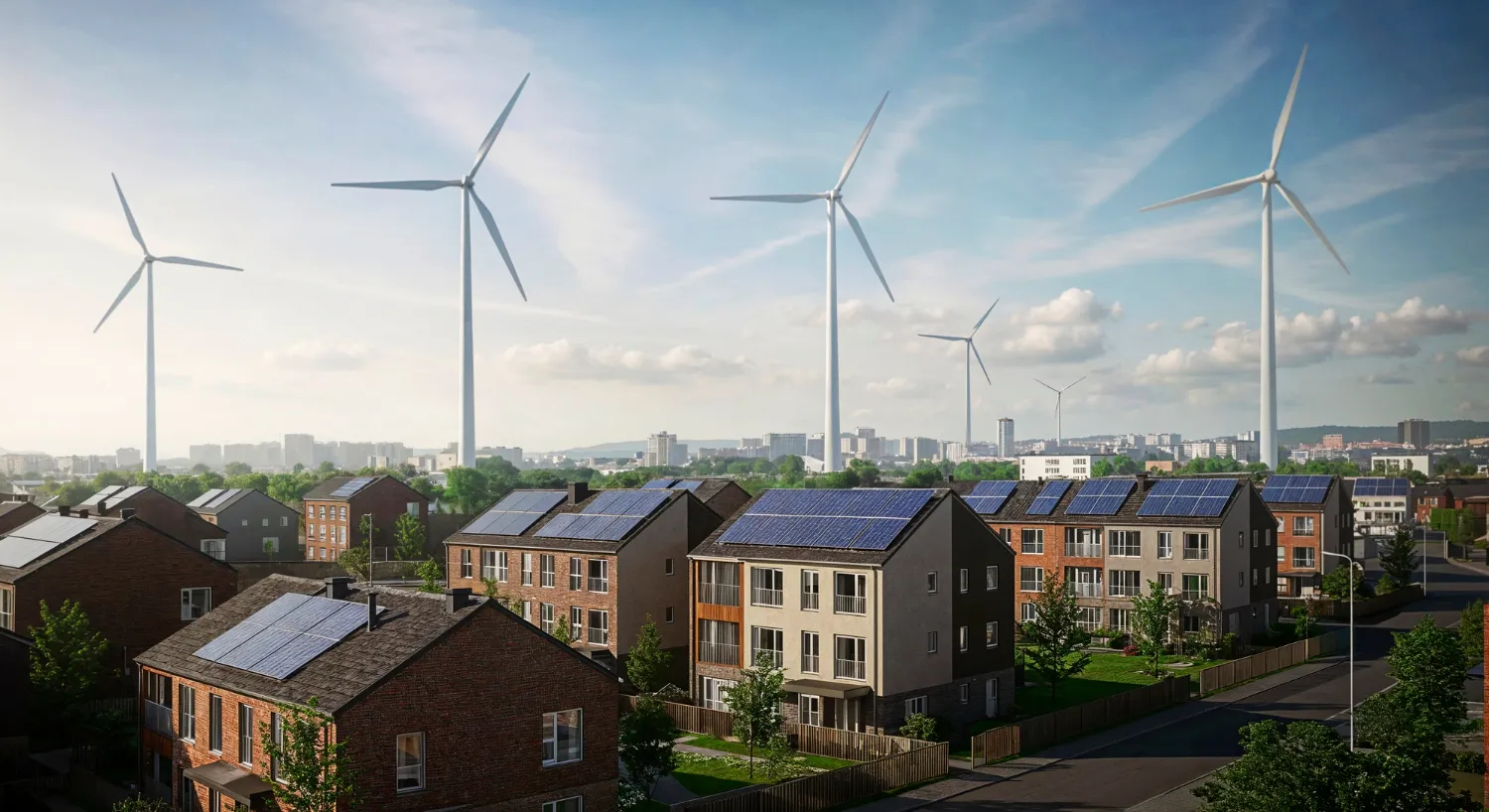
On-site wind energy has limited practicality in New York City. Space constraints, zoning challenges, and inconsistent wind patterns make small wind installations unsuitable for most buildings.
That said, off-site wind energy participation is sometimes considered by owners with large portfolios or corporate sustainability goals. For individual buildings, wind energy is generally not a primary option in 2026.
Renewable Energy Credits are still part of many building energy strategies, but their role has become more limited. RECs can support emissions accounting and help bridge short-term gaps, but they are not a substitute for real energy improvements.
By 2026, regulatory expectations are clear. Buildings are expected to show actual performance improvements, not rely solely on paper-based solutions. RECs work best when combined with on-site or community renewable energy and efficiency upgrades.
Battery storage does not generate renewable energy, but it improves how renewable electricity is used. For buildings with solar installations, batteries store excess energy for later use. They can also reduce peak demand charges and improve resilience during grid disruptions.
In NYC, battery systems are still a significant investment, but costs continue to decline. Buildings with high demand charges or on-site solar may find storage increasingly attractive as part of a long-term plan.
Renewable energy decisions must be financially sound. In New York City, this means evaluating not only upfront costs but also long-term savings and risk reduction.
Key considerations include:
Many building owners choose to combine renewable projects with efficiency upgrades to improve overall returns. Financing models such as power purchase agreements can also reduce upfront capital requirements for certain properties.
Renewable energy works best when it is part of a coordinated strategy. When planned alongside emissions reduction measures and capital improvements, renewables become more effective and easier to manage.
An integrated approach helps:
By 2026, this level of planning is no longer optional for serious building owners.
Many owners delay renewable energy decisions due to misconceptions. Some believe renewables are only viable for new buildings. Others expect immediate payback or assume solar alone will solve emissions challenges.
In reality:
Clear expectations lead to better decisions and fewer surprises.
Renewable energy adoption will continue to expand as emissions limits tighten and the electricity grid becomes cleaner. Buildings that begin the transition early are better positioned to adapt without major disruption.
Early adoption allows owners to:
Renewable energy is becoming a core component of responsible building ownership in New York City.
Renewable energy options for NYC buildings in 2026 are more practical than ever, but they require thoughtful planning. There is no single solution that fits every building. The most successful strategies combine on-site generation, off-site participation, efficient systems, and long-term planning.
For building owners, renewable energy is no longer just about sustainability goals. It is about managing risk, controlling costs, and protecting asset value in a changing regulatory environment.
When approached realistically, renewable energy strengthens both compliance and long-term performance.