BY NYC Energy Code Team
ON 30 Jul 2026
Solar Feasibility Study
Solar Feasibility 101: Is Your NYC Rooftop a Good Candidate for Solar?
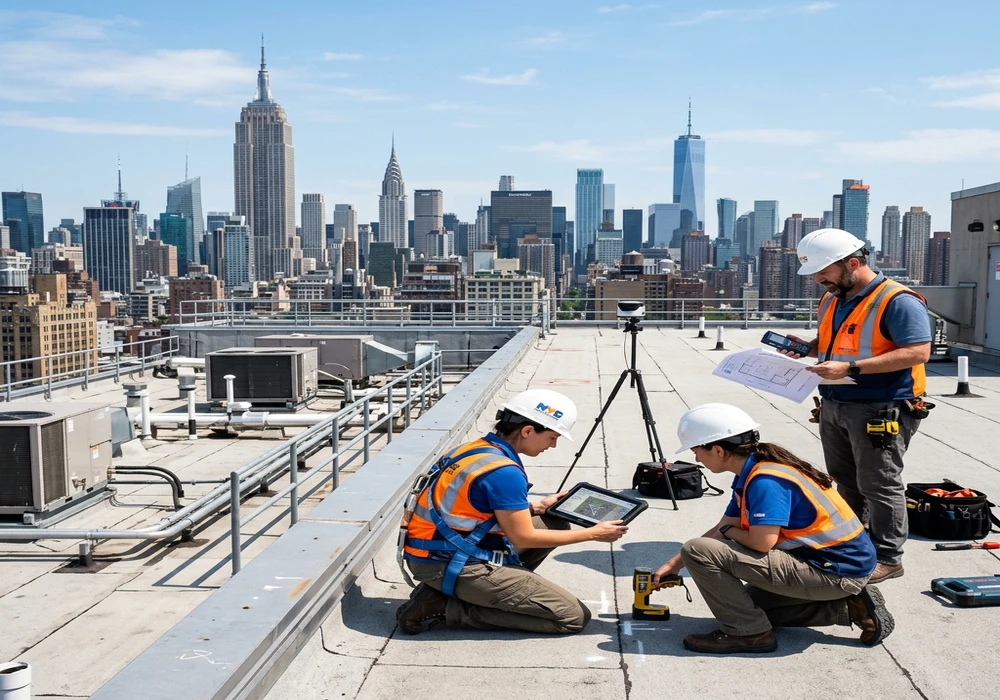
As energy costs continue to rise and sustainability becomes a priority, more New York City building owners are considering solar energy. But before installing solar panels, there's one important question to answer:
Is your rooftop actually suitable for solar?
Not every building generates the same amount of solar power. Factors such as roof size, shading, structural capacity, and energy usage all influence whether a solar installation makes financial and technical sense.
A solar feasibility assessment helps determine whether your building is a good candidate before investing in equipment.
What Is a Solar Feasibility Study?
A solar feasibility study evaluates whether installing solar panels on your property is practical and cost-effective.
Rather than immediately purchasing a system, engineers analyze your building to estimate:
- Potential solar energy production
- Available roof space
- Structural suitability
- Electrical compatibility
- Expected energy savings
- Estimated return on investment
The goal is to determine if solar is the right solution for your building.
What Makes a Rooftop Ideal for Solar?
Several factors affect how much electricity solar panels can produce.
A rooftop is generally more suitable when it has:
- Large usable roof space
- Good exposure to sunlight
- Minimal shading from nearby buildings or trees
- Strong structural support
- Adequate electrical infrastructure
Buildings with fewer obstructions often achieve higher energy production.
Factors That Can Reduce Solar Performance
Some rooftops may have limitations that reduce solar efficiency.
Common challenges include:
- Tall neighboring buildings creating shade
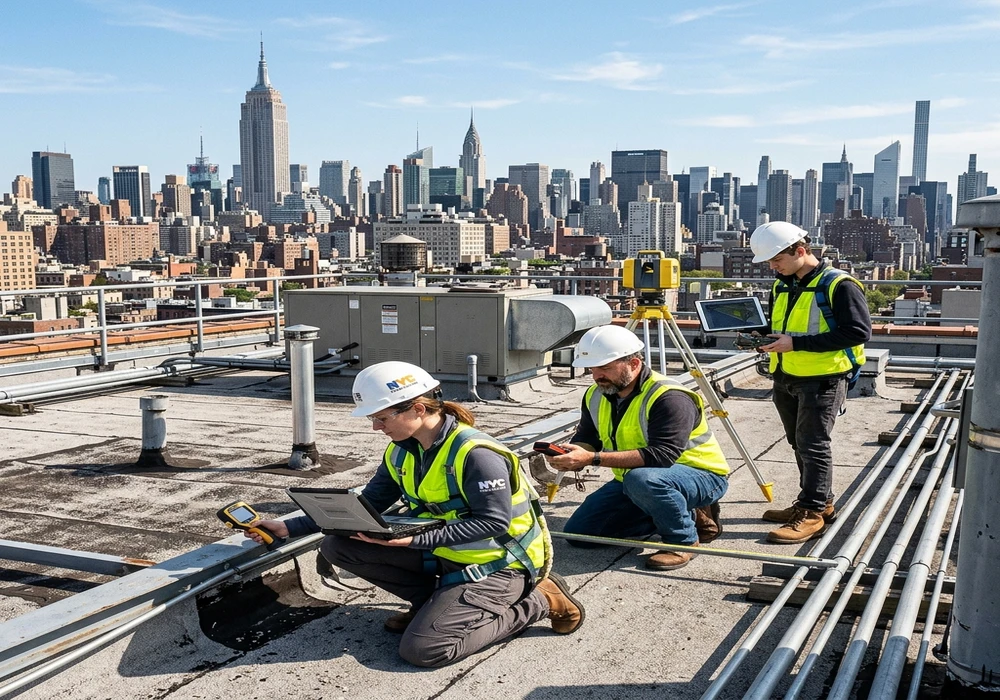
- Rooftop mechanical equipment occupying space
- Older roof structures
- Small usable roof areas
- Roofs nearing the end of their lifespan
These factors don't always prevent solar installation, but they may reduce the overall benefits.
Important Consideration: Rooftop HVAC equipment, bulkheads, and shadows from tall adjacent structures must be carefully mapped during the engineering phase to prevent significant energy production losses.
How Much Can Solar Reduce Energy Costs?
Every building is different, so savings vary depending on energy usage and system size.
A properly designed solar system can help:
- Lower electricity bills
- Reduce dependence on grid power
- Offset long-term energy costs
- Improve building sustainability
- Increase property value
The feasibility study estimates how much electricity your rooftop could generate over time.
Why Solar Matters in NYC
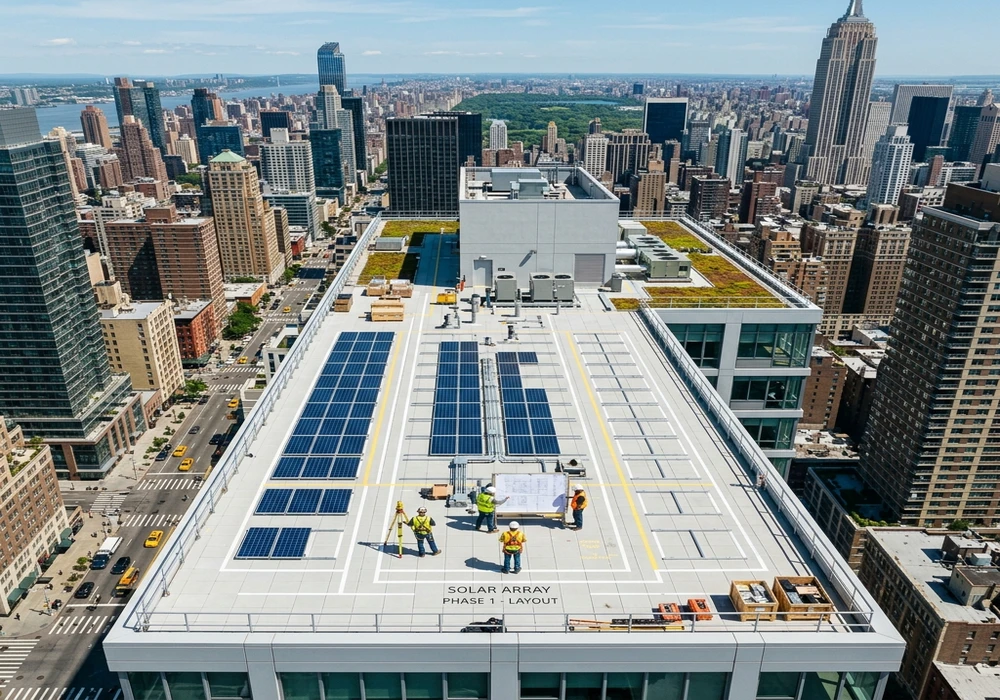
Solar energy supports New York City's broader sustainability and emissions reduction goals.
For many building owners, solar can also complement:
- Energy-efficiency upgrades
- Building decarbonization strategies
- Local Law 97 planning
- Corporate sustainability initiatives
Installing solar isn't just about producing clean energy—it's about improving long-term building performance.
Best Practices Before Installing Solar
Before moving forward with a solar project:
- Assess your roof's structural condition.
- Review available roof space.
- Analyze annual electricity usage.
- Consider future roof repairs or replacements.
- Consult experienced solar and engineering professionals.
Planning carefully helps maximize system performance and avoid unexpected costs.
Proactive Planning: Combining roof maintenance or replacements with solar installation optimizes mobilization costs and ensures your rooftop structural lifespan matches your solar panel system lifetime.
Conclusion
Solar energy can provide significant long-term benefits for many New York City buildings, but every property is unique. A solar feasibility study helps determine whether your rooftop has the space, structural capacity, and sunlight needed to make solar a worthwhile investment.
By evaluating your building before installation, you can make informed decisions, reduce energy costs, and prepare your property for a more sustainable future.
Frequently Asked Questions
What is a solar feasibility study?
A solar feasibility study evaluates whether your building is suitable for installing solar panels by analyzing roof conditions, energy usage, and expected performance.
Can every NYC building install solar panels?
Not necessarily. Roof size, shading, structural strength, and electrical infrastructure all affect solar suitability.
How do I know if my roof gets enough sunlight?
A professional solar assessment evaluates sun exposure, nearby obstructions, and expected energy production throughout the year.
Will solar panels reduce my electricity bills?
In many cases, yes. The amount of savings depends on your building's energy usage and the size of the solar system.
Does rooftop equipment affect solar installation?
Yes. HVAC units, water tanks, and other rooftop equipment may reduce the available space for solar panels.
Why should I complete a feasibility study before installing solar?
A feasibility study identifies potential challenges, estimates energy production, and helps determine whether solar is a financially sound investment before construction begins.
You may also
like