BY NYC Energy Code Team
ON 28 July 2026
Energy Modeling
Energy Modeling Explained in Plain English: How It Saves You Money Before You Build
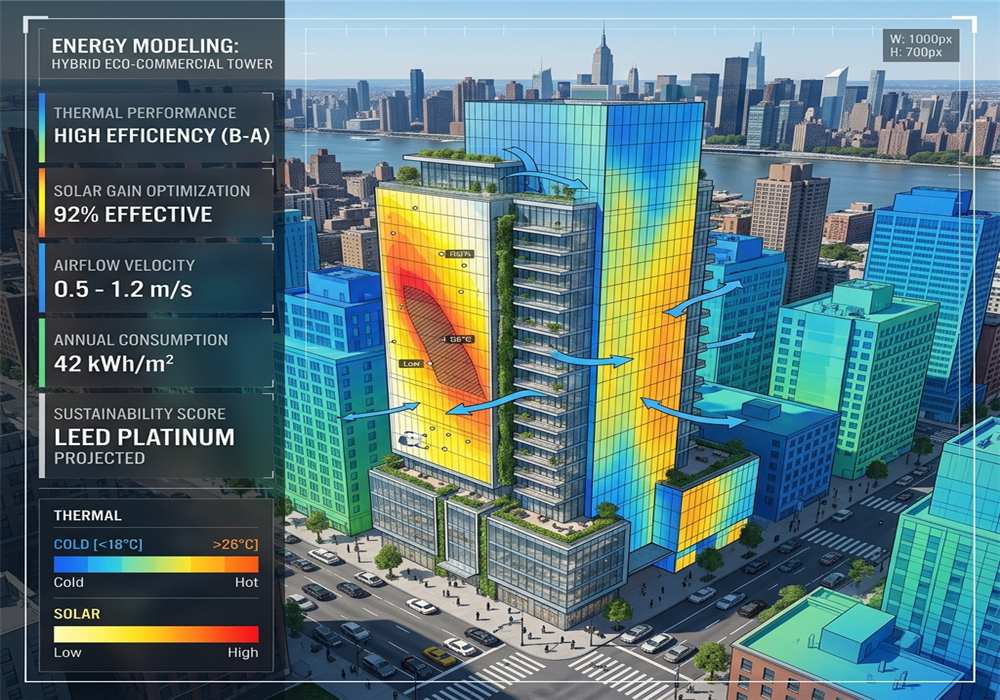
When planning a new building or a major renovation, every design decision affects future operating costs. Choosing the wrong HVAC system, poor insulation, or inefficient windows can lock a building into decades of higher utility bills.
That's where energy modeling comes in.
Think of energy modeling as creating a digital simulation of your building before it's built. It predicts how much energy the building will use throughout the year, allowing architects, engineers, and owners to compare different design options before construction begins.
The result? Smarter decisions, lower operating costs, and a more energy-efficient building from day one.
What Is Energy Modeling?
Energy modeling is the process of using computer software to estimate how a building will consume energy under real-world conditions.
The model evaluates factors such as:
- Building orientation
- Window placement
- Insulation levels
- HVAC systems
- Lighting design
- Occupancy patterns
- Local weather conditions
Instead of guessing which design is best, owners can compare different options using data.
How Does Energy Modeling Work?
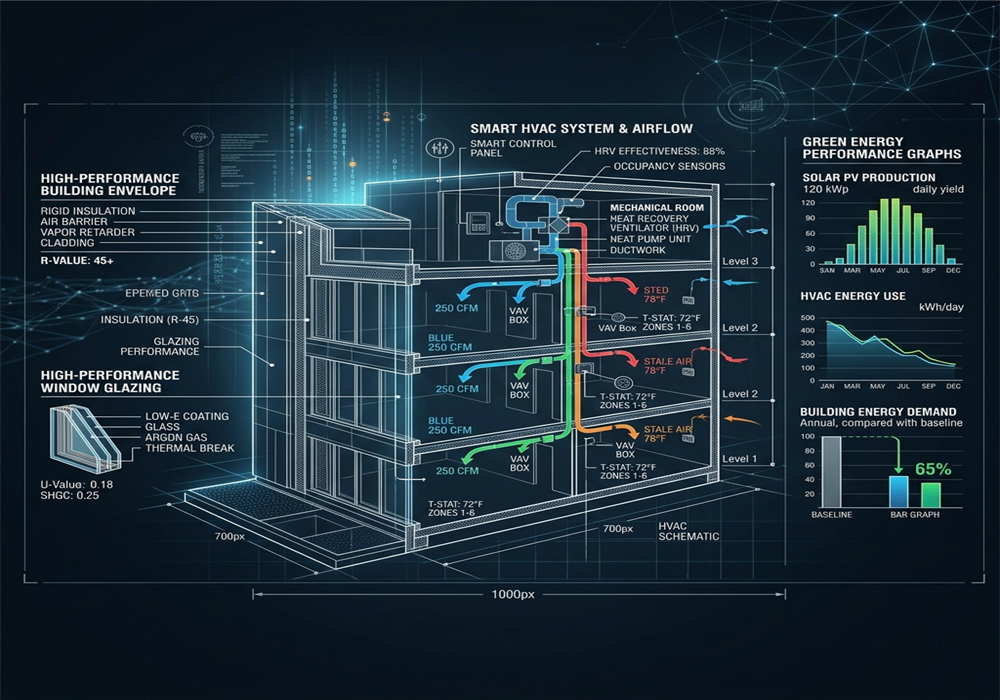
The process usually begins during the design stage. Engineers create a virtual version of the building and test multiple scenarios.
For example, they might compare:
- Standard windows vs. high-performance windows
- Different HVAC systems
- LED lighting vs. conventional lighting
- Various insulation materials
- Alternative roof designs
The software estimates annual energy use, helping the design team choose the most efficient solution.
How Does It Save Money?
Energy modeling helps identify expensive design mistakes before construction even begins.
Potential savings include:
- Lower utility bills
- Reduced HVAC equipment size
- Lower maintenance costs
- Improved building efficiency
- Better long-term return on investment
Making changes during design is usually much less expensive than making changes after construction is complete.
Why Is Energy Modeling Important in NYC?
Many NYC projects must meet increasingly strict energy efficiency requirements. Energy modeling can support compliance with:
- NYC Energy Conservation Code (NYCECC)
- Local Law 97 emissions planning
- Sustainable building certifications
- Green building design goals
It also provides owners with confidence that the building will perform as expected after completion.
Who Benefits from Energy Modeling?
Energy modeling isn't just for engineers. It provides valuable insights for:
- Building owners
- Developers
- Architects
- Engineers
- Property investors
- Facility managers
Everyone involved in the project can make more informed decisions using the model's results.
Best Practices
To get the most value from energy modeling:
- Start early during design.
- Compare multiple design options.
- Update the model as plans change.
- Use realistic occupancy assumptions.
- Review recommendations with experienced professionals.
Key Takeaway: Early planning typically produces the greatest long-term savings.
Conclusion
Energy modeling is one of the smartest investments a building owner can make before construction begins. By simulating real-world energy performance, it helps project teams identify the most efficient design choices before materials are purchased or systems are installed.
Whether your goal is reducing operating costs, meeting NYC energy regulations, or creating a more sustainable building, energy modeling provides valuable insights that support better decisions from the very beginning.
Frequently Asked Questions
What is energy modeling?
Energy modeling is a computer simulation that predicts how much energy a building will use before it is constructed.
When should energy modeling be performed?
It's most effective during the early design phase when changes can still be made easily and cost-effectively.
Can energy modeling reduce construction costs?
Yes. It helps avoid inefficient design choices and can reduce long-term operating and maintenance expenses.
Is energy modeling required for every building?
Not every project requires it, but many large developments and energy-efficient building projects benefit from using it.
Does energy modeling help with NYC compliance?
Yes. It can support compliance with NYC energy regulations and assist with planning for laws such as Local Law 97.
Who uses energy modeling?
Architects, engineers, developers, building owners, and sustainability consultants commonly use energy modeling to improve building performance before construction begins.
You may also like