BY NYC Energy
Code Team ON 15 June 2026
Managing Energy Compliance Projects in NYC
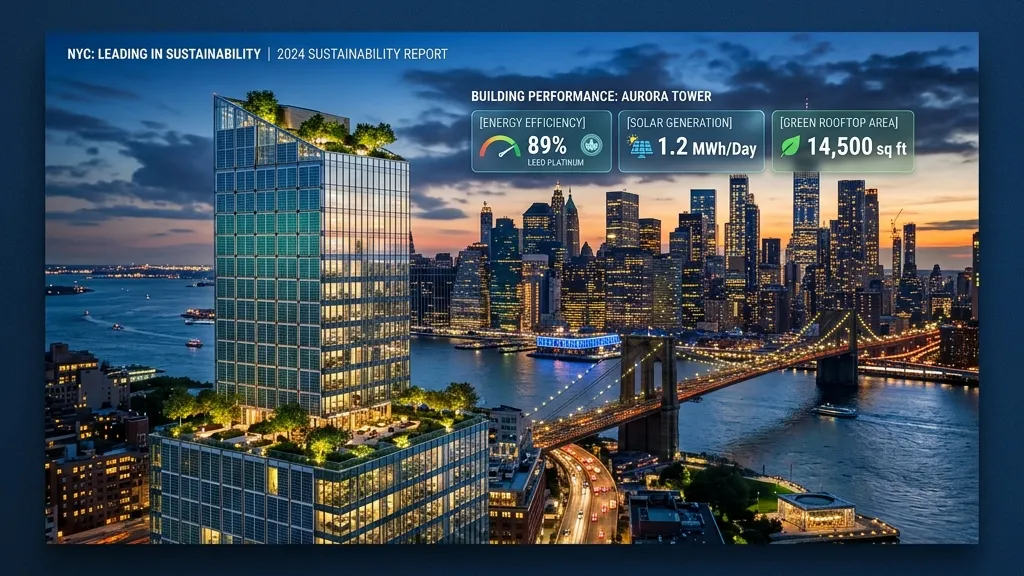
If you own, manage, or operate a building in New York City, energy compliance is no longer something you can put off until later. Between carbon emissions caps, benchmarking deadlines, retro-commissioning rules, and annual reporting requirements, building owners are under growing pressure to stay compliant while keeping operating costs under control.
The challenge is that energy compliance projects in NYC are rarely simple. One missed deadline, poor planning decision, or incomplete assessment can create costly penalties and delays. That is why many property owners, facility managers, co-op boards, and commercial real estate operators are taking a more organized approach to compliance planning.
So, what does managing energy compliance projects in NYC actually involve? Let’s break it down in a way that makes sense.
Why Energy Compliance Matters More Than Ever in NYC
New York City has become one of the strictest cities in the U.S. when it comes to building energy performance and carbon reduction. The city’s focus is clear: reduce greenhouse gas emissions from large buildings and improve overall energy efficiency.
For building owners, this means compliance is no longer optional. It is part of long-term building operations. Many NYC buildings must comply with regulations tied to:
- Local Law 97 (LL97): Carbon emissions caps for large buildings.
- Local Law 84: Annual energy and water usage benchmarking.
- Local Law 87: Energy audits and retro-commissioning studies.
- Local Law 88: Lighting upgrades and tenant submetering requirements.
- Carbon emissions reporting: Detailed annual greenhouse gas filing.
Since buildings contribute heavily to citywide emissions, local regulations are becoming stricter. Waiting until penalties arrive is usually the most expensive way to handle compliance. Instead, successful property teams treat energy compliance projects as part of their long-term building strategy.
What Is an Energy Compliance Project?
An energy compliance project is the process of bringing a building in line with NYC energy laws and performance requirements. This can include:
- Conducting detailed energy audits
- Tracking and benchmarking building energy usage
- Installing energy-efficient systems and equipment
- Upgrading HVAC and mechanical systems
- Improving indoor and outdoor lighting efficiency
- Preparing long-term emissions reduction plans
- Filing required regulatory compliance reports
For many property owners, the challenge is not understanding what needs to happen. The challenge is knowing when, how, and in what order things should happen. That is where proper project management becomes important.
Start With a Compliance Assessment
One of the biggest mistakes building owners make is jumping into expensive upgrades too early. Before replacing systems or investing in equipment, you need a clear picture of your building’s current performance.
A compliance assessment usually answers questions like:
- Is the building currently meeting emissions targets?
- Which local laws apply to the property?
- What deadlines are coming up?
- Which systems are creating the most energy waste?
- What upgrades provide the best return on investment?
For example, a building may assume it needs a complete HVAC replacement when small operational improvements or controls optimization could lower emissions enough to meet requirements. Without a roadmap, it becomes easy to overspend.
Understand Which NYC Energy Laws Affect Your Building
Not every building has the same compliance obligations. That is why project management starts with understanding building size, occupancy, system type, and reporting requirements.
Local Law 97
This law is getting the most attention because it sets carbon emissions limits for large buildings. Properties that exceed emissions caps may face financial penalties. For many owners, this means creating a phased decarbonization strategy instead of reacting at the last minute. The smartest building teams are already planning years ahead rather than waiting for enforcement periods.
Local Law 84
Benchmarking requires eligible buildings to report annual energy and water consumption data. While it sounds simple, inaccurate reporting can create compliance issues. Data management becomes a major part of successful compliance planning.
Local Law 87
This law focuses on energy audits and retro-commissioning. Buildings must evaluate performance and identify opportunities for improvement. Many owners discover hidden inefficiencies through these audits that lower operating costs over time.
Local Law 88
Lighting system upgrades and tenant submetering requirements also affect many commercial properties. Ignoring lighting efficiency may increase operational costs while making future compliance harder.
Managing these requirements separately often creates confusion. Managing them together under one compliance strategy usually works better.
Build a Long-Term Compliance Roadmap
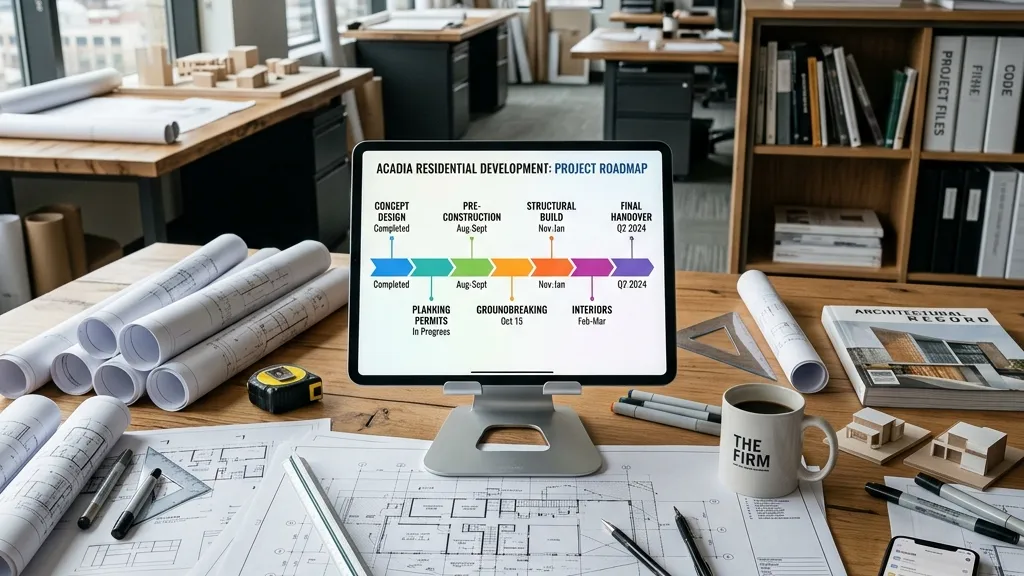
A common mistake in NYC energy compliance is treating every law like an emergency. That approach often leads to rushed projects, expensive contractor pricing, and poor investment decisions. Instead, building owners should think in phases.
Phase 1: Compliance Review
Start by identifying immediate risks. What deadlines are approaching? Which requirements already apply? Are there penalties coming soon? This phase helps prioritize urgent action.
Phase 2: Energy Performance Analysis
Review energy consumption trends and system efficiency. Look for high electricity use, inefficient HVAC performance, poor insulation, lighting inefficiencies, and building automation problems. Small inefficiencies often create major emissions problems over time.
Phase 3: Upgrade Planning
Not every improvement has to happen at once. Some projects can be phased over multiple years to reduce capital expenses. For example:
- Year One: Focus on lighting upgrades and low-cost fixes.
- Year Two: Improve controls and building automation systems.
- Later Years: Involve larger HVAC and mechanical improvements.
This staged approach helps owners manage budgets without falling behind compliance targets.
Coordinate the Right Team Early
Energy compliance projects involve more people than many building owners expect. A typical NYC compliance project may involve energy consultants, engineers, architects, commissioning agents, contractors, compliance specialists, and property managers.
Without coordination, timelines can quickly fall apart. One contractor delay may impact filings, inspections, or reporting deadlines. That is why project management matters. Having one clear plan keeps everyone aligned and reduces unnecessary delays. Communication is often the difference between smooth compliance and expensive confusion.
Budgeting for Energy Compliance Projects
Let’s be honest—energy upgrades can be expensive. But penalties, emergency upgrades, and inefficient operations are often more expensive. The good news is that not every compliance project requires major spending upfront.
Some cost-saving opportunities include:
- Low-cost operational fixes and calibration
- System and equipment energy optimization
- Smart building controls and automation
- Preventive maintenance schedules
- Utility incentives and rebate programs
- Phased capital improvements over time
Many NYC building owners also overlook financing programs and rebates that may reduce project costs. The goal is not simply spending money. The goal is spending strategically.
Why Waiting Usually Costs More
Many property owners delay action because deadlines feel far away. Unfortunately, energy compliance projects often take longer than expected. Engineering studies, permits, contractor schedules, procurement delays, and equipment lead times can easily push timelines back.
By the time penalties become a concern, there may not be enough time left to complete improvements properly. A proactive strategy gives owners more flexibility and usually lowers overall costs. Instead of rushing to fix problems, they can make smarter decisions over time.
Technology Is Changing Compliance Management
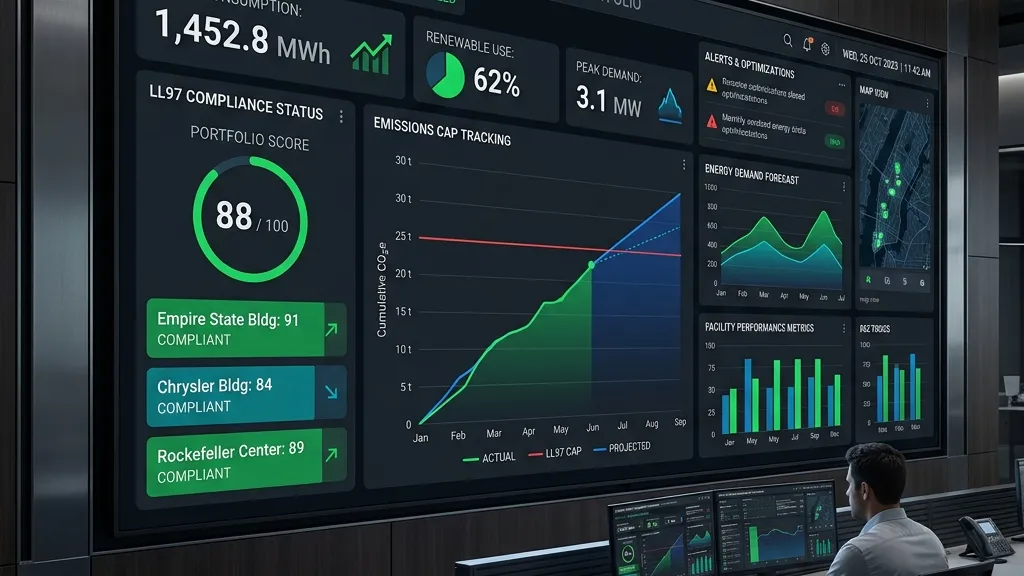
Technology is making NYC energy compliance easier to manage than it was a few years ago. Today, many building owners use software and smart systems to monitor real-time energy usage, carbon emissions, HVAC performance, utility costs, benchmarking data, and building automation systems.
This visibility helps identify problems before they become compliance risks. Instead of guessing where inefficiencies exist, teams can make decisions based on actual building performance. Data-driven planning often leads to better compliance outcomes.
Common Mistakes to Avoid
- Waiting Too Long: Last-minute planning almost always creates stress and higher costs.
- Treating Compliance as a One-Time Project: NYC energy compliance is ongoing. Regulations continue to evolve.
- Ignoring Building Data: Without accurate benchmarking and system analysis, planning becomes guesswork.
- Choosing Cheap Short-Term Fixes: Temporary solutions may not support long-term carbon reduction goals.
- Working Without a Strategy: Random upgrades rarely create meaningful compliance results.
A structured roadmap usually saves money and prevents future headaches.
The Bottom Line
Managing energy compliance projects in NYC can feel overwhelming at first. Between Local Law 97 deadlines, benchmarking requirements, audits, and system upgrades, there are many moving parts to manage. But compliance does not have to turn into chaos.
The key is starting early, understanding which laws affect your building, and building a long-term strategy instead of reacting to deadlines. For most NYC building owners, successful compliance comes down to planning—not panic.
When projects are managed correctly, compliance becomes more than just avoiding fines. It becomes an opportunity to improve building performance, lower operating costs, and future-proof your property for the years ahead. As NYC continues pushing toward sustainability goals, buildings that plan ahead will almost always be in a stronger position than those trying to catch up at the last minute.
You may also
like