BY NYC Energy Code Team
ON 03 Aug 2026
Surveys Inspections
Surveys and Inspections 101: What Engineers Actually Check in Your Building
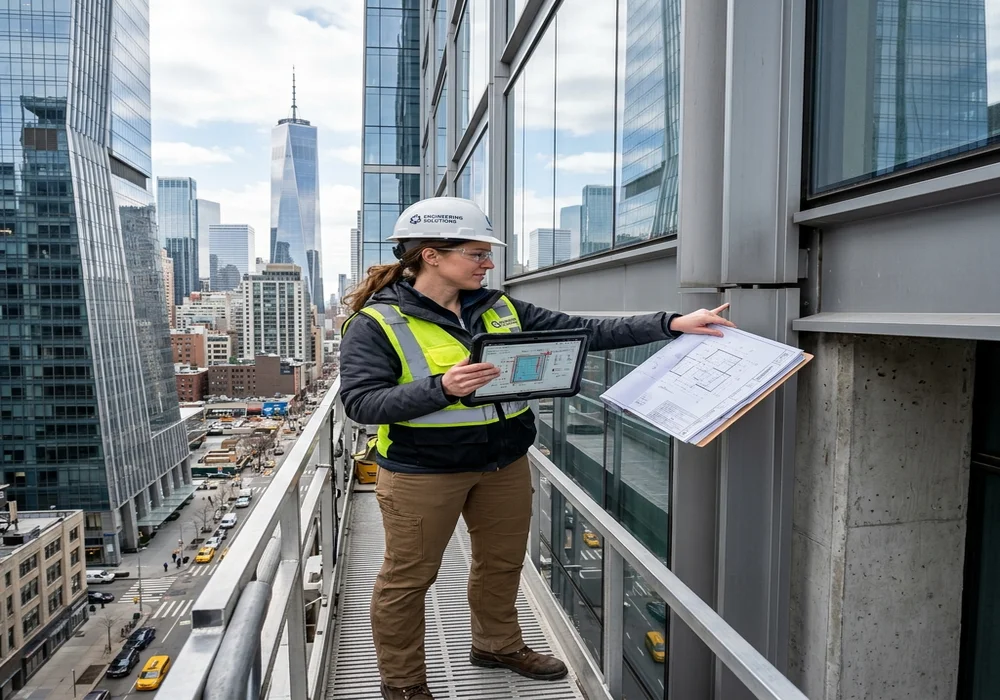
Whether you're buying a property, planning renovations, preparing for compliance, or maintaining an existing building, surveys and inspections play an essential role. Yet many building owners aren't entirely sure what engineers are looking for during these visits.
Contrary to popular belief, an inspection isn't just a quick walkthrough. Engineers evaluate the condition, safety, and performance of critical building systems to identify issues before they become expensive repairs or compliance problems.
Understanding what happens during a professional building survey can help property owners prepare, make informed maintenance decisions, and protect the long-term value of their investment.
What Is a Building Survey or Inspection?
A building survey or inspection is a professional assessment of a property's physical condition. Depending on the purpose of the inspection, engineers evaluate:
- Structural components
- Mechanical systems
- Electrical systems
- Plumbing systems
- Building envelope
- Roof condition
- Fire safety features
- Exterior walls
- Site conditions
The goal is to identify defects, maintenance needs, safety concerns, and areas that may require further investigation.
Why Are Building Inspections Important?
Regular inspections help owners understand the overall condition of their building before problems become emergencies. Professional inspections can help:
- Identify hidden defects
- Improve occupant safety
- Reduce long-term repair costs
- Support maintenance planning
- Prepare for renovations
- Assist with regulatory compliance
- Protect property value
Preventive inspections are often far less expensive than emergency repairs.
What Engineers Actually Check
Although every inspection is different, engineers commonly examine several key areas.
Structural Components
Engineers inspect visible structural elements for signs of deterioration, including:
- Foundation movement
- Cracks in walls
- Concrete damage
- Steel corrosion
- Settlement
- Structural distress
These observations help determine whether additional structural evaluation may be necessary.
Building Exterior
The exterior protects the entire building, so engineers carefully review:
- Brick and masonry
- Exterior walls
- Windows
- Doors
- Sealants
- Balconies
- Parapets
- Roof drainage
Water intrusion and weather damage are common concerns.
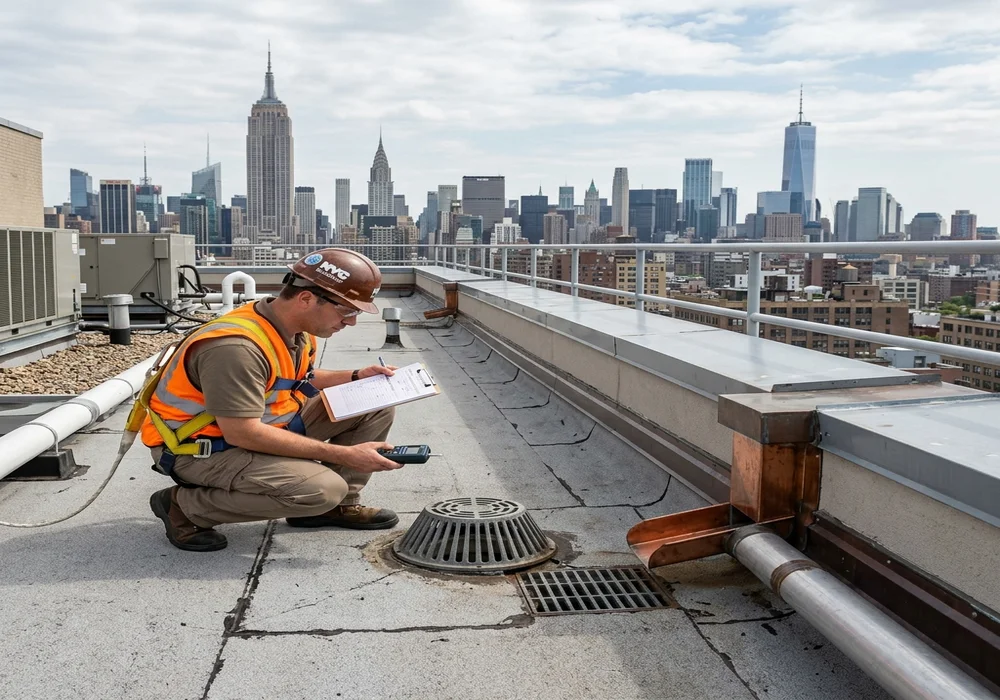
Roof Systems
Roof inspections typically include:
- Roofing materials
- Flashing
- Drainage systems
- Ponding water
- Membrane condition
- Visible leaks
- Rooftop equipment areas
Small roofing issues can quickly become expensive if left unresolved.
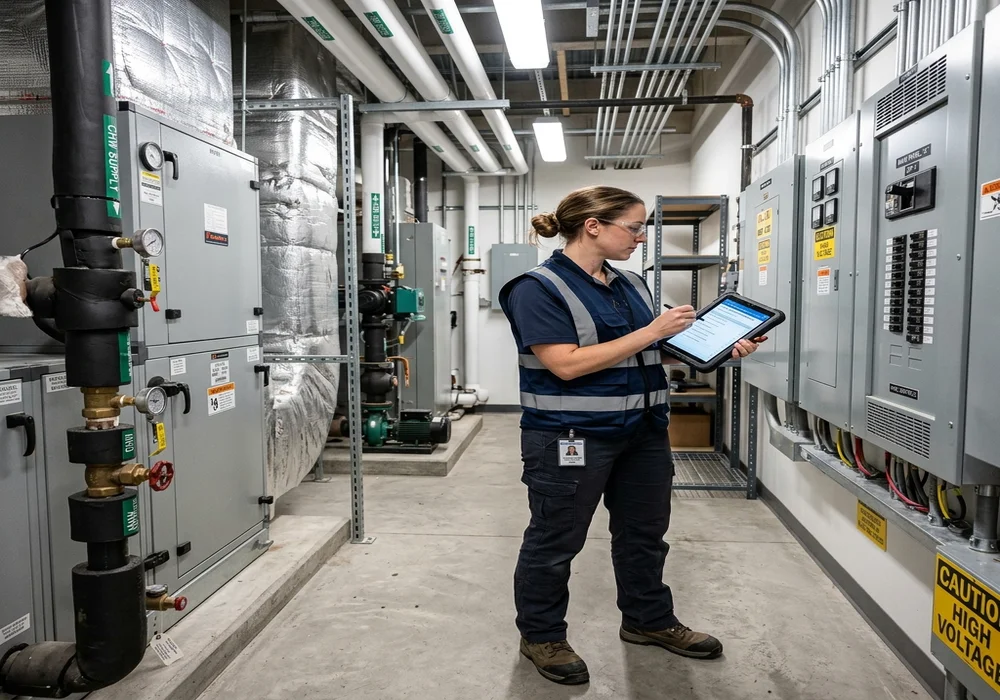
Mechanical Systems
Mechanical inspections evaluate equipment responsible for comfort and building operations, including:
- HVAC equipment
- Boilers
- Chillers
- Ventilation systems
- Pumps
- Mechanical rooms
Engineers look for aging equipment, maintenance concerns, and operational deficiencies.
Electrical Systems
Electrical inspections may include:
- Main service equipment
- Electrical panels
- Distribution systems
- Lighting
- Emergency power systems
- Visible wiring conditions
The objective is to identify safety concerns and evaluate the condition of major electrical components.
Plumbing Systems
Engineers also review:
- Water supply piping
- Drainage systems
- Water heaters
- Pumps
- Visible plumbing fixtures
- Signs of leaks or corrosion
Proper plumbing performance helps prevent water damage and unnecessary maintenance costs.
Common Problems Engineers Discover
During surveys and inspections, engineers frequently identify:
- Water intrusion
- Roof deterioration
- Corrosion
- Foundation settlement
- Cracked masonry
- Aging HVAC equipment
- Electrical deficiencies
- Plumbing leaks
- Poor drainage
- Deferred maintenance
Finding these issues early gives owners more time to plan repairs before conditions worsen.
How to Prepare for an Inspection
Property owners can help inspections run smoothly by:
- Organizing previous inspection reports.
- Providing access to mechanical rooms.
- Clearing roof access points.
- Making utility rooms accessible.
- Sharing maintenance records.
- Listing any known building concerns.
Good preparation allows engineers to complete a more thorough evaluation.
Why Routine Inspections Save Money
Some owners only schedule inspections when something goes wrong. A better approach is to inspect buildings regularly.
Routine inspections help:
- Extend equipment life.
- Reduce emergency repairs.
- Improve maintenance planning.
- Lower long-term operating costs.
- Support future renovation projects.
- Maintain property value.
Preventive Investment: Preventive maintenance identified during routine engineering surveys is almost always significantly more affordable than reacting to emergency equipment failures or severe structural repairs.
Conclusion
Building surveys and inspections provide valuable insight into the overall health of your property. By evaluating structural components, roofing, mechanical systems, electrical infrastructure, plumbing, and exterior conditions, engineers help identify issues before they become major safety or financial concerns.
Whether you're purchasing a building, planning improvements, or simply maintaining an existing property, regular inspections are one of the best investments you can make. They provide the information needed to prioritize repairs, support compliance efforts, and keep your building operating safely and efficiently for years to come.
Frequently Asked Questions
What is the purpose of a building
survey?
A building survey evaluates the overall condition of a property to identify defects, maintenance needs, and potential safety concerns.
What do engineers inspect during a
building inspection?
Engineers commonly inspect structural elements, roofing, mechanical systems, electrical systems, plumbing, exterior walls, and other major building components.
How often should buildings be
inspected?
Inspection frequency depends on the building type, age, condition, and applicable regulations. Routine inspections are recommended to identify problems early.
Can inspections help reduce repair
costs?
Yes. Early detection allows owners to address small issues before they become expensive repairs or emergency situations.
Should maintenance records be
available during an inspection?
Yes. Previous inspection reports and maintenance records help engineers better understand the building's condition and history.
Do building inspections improve
property value?
Regular inspections and proactive maintenance can improve building condition, reduce future liabilities, and make a property more attractive to buyers, tenants, and investors.
You may also
like