BY NYC Energy Code Team
ON 02 Aug 2026
Energy Efficiency
What Is Building Commissioning and Why Does It Matter for Compliance?
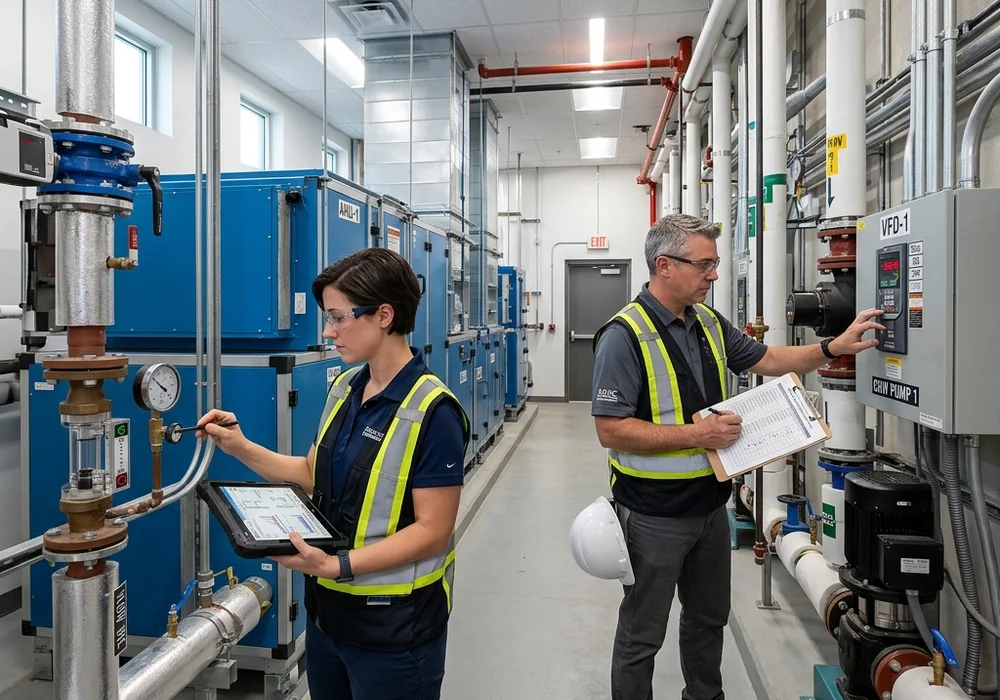
When a new building is completed—or when an existing building undergoes a major renovation—many owners assume everything will work exactly as designed. Unfortunately, that's not always the case. Heating and cooling systems may not operate efficiently, lighting controls might be incorrectly programmed, or ventilation systems may not deliver the expected performance.
That's where building commissioning comes in.
Building commissioning is a quality assurance process that verifies a building's systems are installed, tested, and operating according to the design and the owner's requirements. It helps ensure that mechanical, electrical, plumbing, and control systems work together efficiently while supporting energy performance, occupant comfort, and regulatory compliance.
For many commercial buildings in New York City, commissioning is more than just a best practice—it can also play an important role in meeting building codes and energy-related compliance requirements.
What Is Building Commissioning?
Building commissioning is a systematic process used to confirm that critical building systems perform as intended before a building is occupied or after major upgrades.
Rather than focusing on one piece of equipment, commissioning evaluates how different systems work together, including:
- Heating, Ventilation, and Air Conditioning (HVAC)
- Electrical systems
- Lighting controls
- Plumbing systems
- Building automation systems
- Ventilation equipment
- Energy management controls
The goal is to identify installation issues, programming errors, or operational problems before they lead to higher operating costs or occupant complaints.
Why Is Building Commissioning Important?
Even brand-new buildings can experience performance issues if systems are not properly tested.
Commissioning helps building owners:
- Improve energy efficiency
- Reduce operating costs
- Increase occupant comfort
- Identify installation defects early
- Improve equipment reliability
- Extend equipment life
- Reduce maintenance issues
Finding problems during commissioning is usually much less expensive than correcting them after the building is fully occupied.

How Building Commissioning Supports Compliance
Many modern building codes and energy regulations emphasize building performance rather than simply equipment installation.
Commissioning helps verify that systems operate efficiently and according to design intent, making it easier to support compliance with energy codes and sustainability requirements.
For owners planning major construction or renovation projects, commissioning can also provide valuable documentation showing that building systems have been tested and verified.
Code Compliance Note: In NYC, energy conservation codes require mandatory commissioning verification for qualifying commercial HVAC and lighting control installations prior to final DOB sign-off.
What Happens During the Commissioning Process?
Although every project is different, building commissioning generally includes:
- Reviewing design documents
- Inspecting installed building systems
- Testing equipment performance
- Verifying control sequences
- Checking system integration
- Identifying deficiencies
- Recommending corrective actions
- Preparing a final commissioning report
The process often continues until identified issues have been resolved and systems perform as expected.
When Should Commissioning Be Performed?
Commissioning is most effective when it begins early in a project.
It can be performed during:
- New building construction
- Major renovations
- Building additions
- HVAC replacement projects
- Large energy-efficiency upgrades
Some existing buildings also undergo retro-commissioning, which focuses on improving the performance of systems already in operation.

Benefits Beyond Compliance
While commissioning supports regulatory requirements, its value extends well beyond compliance.
Building owners often experience:
- Lower utility bills
- Better indoor air quality
- Improved temperature consistency
- Fewer equipment failures
- Lower maintenance expenses
- Better occupant satisfaction
- Increased property value
These long-term benefits often outweigh the initial cost of the commissioning process.
Best Practices for Building Owners
To maximize the value of commissioning:
- Begin the process during the design phase.
- Select experienced commissioning professionals.
- Keep equipment documentation organized.
- Involve facility management staff.
- Address identified issues promptly.
- Maintain commissioning reports for future reference.
Early planning helps ensure building systems operate efficiently from the start.
Facility Staff Integration: Involving your facility operators during the functional testing phase provides hands-on training that reduces future operational misconfigurations.
Conclusion
Building commissioning is one of the most effective ways to ensure a building performs as intended. By verifying that mechanical, electrical, plumbing, and control systems operate together efficiently, commissioning improves energy performance, enhances occupant comfort, and helps reduce long-term operating costs.
Whether you're constructing a new building or completing a major renovation, commissioning provides confidence that your investment is functioning properly while supporting compliance with today's increasingly performance-focused building standards.
Frequently Asked Questions
What is building commissioning?
Building commissioning is a quality assurance process that verifies building systems are installed, tested, and operating according to the design and owner requirements.
What systems are included in
commissioning?
Commissioning commonly covers HVAC, electrical systems, plumbing, lighting controls, ventilation, and building automation systems.
Is commissioning only for new
buildings?
No. Existing buildings can also undergo retro-commissioning to improve the performance of systems already in operation.
Why is building commissioning
important?
It helps improve energy efficiency, reduce operating costs, identify installation issues, and ensure building systems function correctly.
Does commissioning help with
compliance?
Yes. Commissioning supports compliance by verifying that building systems operate as intended and meet applicable performance requirements.
Who performs building commissioning?
Commissioning is typically performed by qualified commissioning professionals or commissioning agents who evaluate, test, and document building system performance throughout the project.
You may also
like